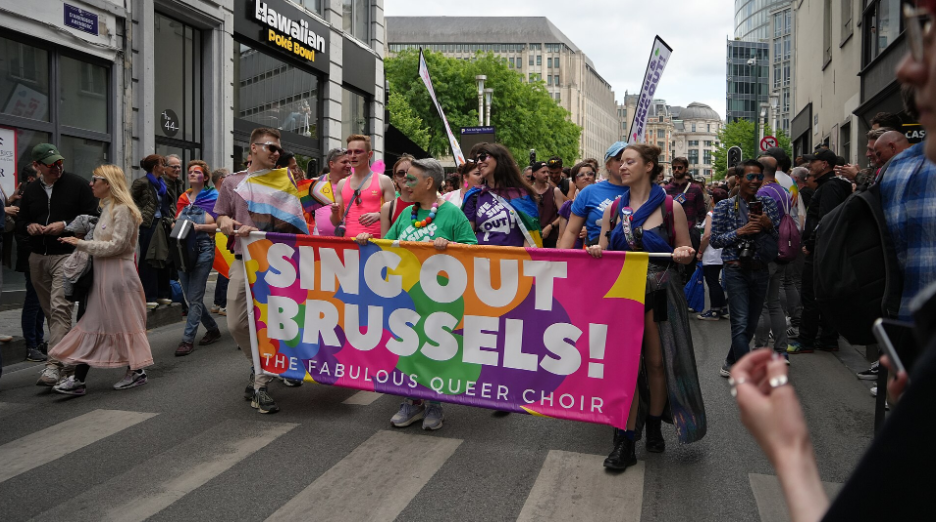
What does it mean to be recognised? At first the answer seems simple. It means feeling seen and valued. Today recognition means a lot more than just that. For communities recognition is about being visible and having a place in public life. It is about being able to preserve their history and assert their presence onto society.
In June 2026 some states in the United States led by Republicans started celebrating months. For example, Indiana and Tennessee said June is “Nuclear Family Month” while Arkansas and Utah said it is akin to “Fidelity Month”. The people who support these festivals say they are all about family, faith, commitment and traditional values. However LGBTQ+ advocates say that having these celebrations during Pride Month makes it harder for LGBTQ+ people to be seen.
This is not just about what to call a month. It is about who gets to be part of life. The debate about Pride Month depicts the same. The people who support Nuclear Family Month and Fidelity Month say that values like family and faith should be recognised. Alternatively, the people who do not support them say that this is just a way to counter Pride Month and make LGBTQ+ people less visible. Consequently, this is not just about the month of June but about identities and values of people who associate them with that. Pride Month is about LGBTQ+ people. It is about equality and acceptance.
To understand why Pride Month is important we need to take a look at its history. It started because of the Stonewall uprising in June 1969. This was the time when people at the Stonewall Inn, in New York City stood up against a police raid that targeted people of LGBTQ+ community. This event was a notable moment in the modern LGBTQ+ rights movement. The first Pride march happened this year and over time Pride Month became a staged event. Moreover, it was about celebration, remembrance and advocacy. Pride Month is a time when LGBTQ+ people are able to come together and celebrate their identities.
This incident from history helps us comprehend the importance of visibility, and how LGBTQ+ people’s recognition is not about celebration but being acknowledged by the society and its people where they have often been treated unfairly over time. When people are not represented correctly they can feel alone and unseen. Research has shown that social support and visibility brings fulfillment. The Trevor Project found out that LGBTQ+ people who have support from family are less likely to attempt suicide. While visibility is not enough to fix all the problems, it makes sure that recognition helps in creating an environment where people can be supported and accepted.
The other June observances caused reactions. LGBTQ+ advocates say that visibility shows whether politicians and institutions care about their communities or otherwise. Josh Coleman, the president of Central Alabama Pride says that LGBTQ+ people notice when politicians do not acknowledge their lives and histories. For the people who support Pride Month visibility is not just symbolic but it is a way to show that they are included in life. Recognition is about being part of life.
The people who support such proclamations have views. Arkansas Governor Sarah Huckabee Sanders says that Fidelity Month is a chance to renew commitments to God, family, community and country. Indiana Governor Mike Braun states that the nuclear family is part of the society. From this perspective the observances recognise values that support stability and civic life. These values are of utmost importance to people.
All these views show why recognition can be debatable. Public recognition is not about what is being honoured but about what societies choose to prioritise. When governments make proclamations they send signals about which histories, communities and values are essential key factors. This is why recognition can cause disagreements even when people are advocating for important things. Recognition does not have to be a competition. Some LGBTQ+ advocates express that values like family, faith and Pride are not mutually exclusive. LGBTQ+ people can value family and faith like anyone else. This means that identities and values can coexist together, rather than competing for recognition.
In the end the debates about June 2026 show us something about culture. Recognition is not about naming a month or choosing one. It shapes visibility, belonging and experiences that are being acknowledged in life. The fight over Pride Month and alternative observances illustrates that recognition matters. It helps us determine who feels visible, valued and included in the story a society tells about itself. Pride Month and the alternatives observances are about values. These values do not have to be in opposition to each other. They can both be part of the story a society tells about itself.
Image Credits: Wikimedia Commons
Leave a Reply