Category: Global

  • The Dark Web Beyond Stereotypes: Privacy, Crime and Regulation

    The Dark Web Beyond Stereotypes: Privacy, Crime and Regulation

    The Dark web is a deliberately hidden segment of the internet that is accessed daily via specialised anonymising software by millions of users, ranging from citizens seeking privacy to cybercriminals hiding illegal trade. While many see the Dark web merely as a space full of cybercrime and obscenity operating beyond the reach of law enforcement, experts maintain that this depiction fails to represent its full scope. A recent report by the cybersecurity research institution RAND Corporation noted that the Dark web “may be used for legitimate purposes as well as to conceal criminal or otherwise malicious activities.”

    Public attention toward the Dark web has grown in recent years because of increased ransomware attacks, along with ongoing discussions about digital privacy. Governments argue that “warrant-proof encryption” creates obstacles for police investigations, but digital rights organisations argue that strong encryption should be used to safeguard people’s right to private communication. For many internet users, the Dark web enters public discussion only when a major arrest, ransomware incident or large-scale data breach makes headlines.
    The takedown of major Dark web marketplaces such as Silk Road and AlphaBay has changed public perceptions of the Dark web as lawless.
    At the same time, these events have highlighted the Dark web’s growing political and technological importance by demonstrating how anonymising technologies can empower both illicit networks and activists seeking to bypass restrictive censorship. As governments expand online monitoring and civil society groups push back against censorship, the Dark web has increasingly become a subject of debate where issues of security, privacy, and control come into conflict.

    What is the Dark web?
    The internet is often explained using the iceberg theory, a popular visual metaphor that builds upon the work of computer scientist Michael K. Bergman. In his 2001 seminal white paper, “The Deep Web: Surfacing Hidden Value,” Bergman originally compared searching the internet to “dragging a net across the surface of the ocean,” noting that while much is caught in the net, a wealth of deep information is missed. This concept naturally evolved into the widely used iceberg analogy. Just like the tip of an iceberg, the surface web, which accounts for roughly 4–5 per cent of the internet, includes websites that can be accessed through regular search engines. Below this lies the deep web, which makes up most online content and includes private databases, academic portals, subscription platforms, and medical records.
    The Dark web is a smaller and deliberately hidden part of the deep web, accessible only through specialised software.
    Most of these hidden sites function through an anonymous network, which includes Tor (The Onion Router) and I2P. Tor, developed in the early 2000s with the support of the US Naval Research Agency, uses multiple layers of routing to hide a user’s identity and IP address. These tools are designed to provide anonymity. Usage data states that millions of people use Tor worldwide, with hundreds of thousands of daily users in the United States alone.

    Concerns and risks
    The Dark web is perhaps best known for its association with illegal activities. Dark web marketplaces have long been used to trade drugs, weapons, forged documents, stolen data, and malware. Furthermore, the network’s anonymity is notoriously exploited to facilitate severe human rights abuses, including human trafficking, sex rings, and the distribution of child exploitation material. International law enforcement agencies have conducted joint operations to eliminate major platforms, which resulted in both arrests and asset confiscation.
    Anonymity presents major challenges for investigators. Many transactions on the Dark web involve cryptocurrencies such as Bitcoin or privacy-focused alternatives like Monero, making financial tracing difficult. Authorities argue that encrypted communication tools create a safe environment for organised crime. However, law enforcement agencies have developed new methods, including undercover operations and monitoring concealed platforms, to identify offenders.
    In recent years, hidden forums have increasingly supported wider cybercrime networks. Ransomware groups and fraud rings, together with data brokers, frequently use hidden platforms to plan their attacks and sell stolen information. Companies now depend on Dark web monitoring tools, which help them identify both leaked credentials and initial indicators of data breaches. However, the hidden sites still pose significant dangers to individual users because they use scams, malware and phishing attacks as their main methods of operation.

    Alternative uses
    Despite these risks, the Dark web also serves vital non-criminal purposes. In countries with restrictive media laws and widespread online monitoring, anonymising networks help activists and dissidents to bypass censorship and organise securely. Journalists use Dark web platforms to establish source communication, which protects their sources from potential backlash. Major news organisations operate .onion versions of their websites, which enable whistleblowers to submit information without revealing their identities.

    Government and expert responses
    At the policy level, responses remain divided. Proposals that would give governments special access to encrypted communications have faced strong opposition from technology companies and rights groups. The European Union and United Kingdom court systems, together with their data protection authorities, have issued warnings that any reduction of encryption strength will endanger both free speech rights and individual safety. Monitoring organisations such as Freedom House have observed a worldwide increase in governmental restrictions that control online anonymity, which they believe makes it harder for people to maintain their privacy and obtain information.
    Experts increasingly argue that large-scale monitoring measures are unlikely to eliminate Dark web activity and may instead weaken trust in digital systems. Many call for more targeted enforcement, improved technical capacity, and stronger international cooperation rather than blanket regulation.

    The ongoing debate
    The ongoing Dark web debate shows how digital tensions between different forces in society create their own problems. Governments seek to protect national security while fighting crime, but civil society organisations emphasise the need for people to have the right to privacy and freely express themselves. Both sides continue to debate workable long-term solutions. In some cases, attempts to control the Dark web may push operations into more secretive areas, but the practice of unregulated anonymity creates dangerous situations.
    The Dark web functions as both a criminal space and a space that provides freedom to users. It has developed alongside the policies and technologies designed to regulate it. As surveillance capabilities expand and internet freedoms fluctuate worldwide, the Dark web is likely to remain both a refuge and a regulatory challenge.

    Image Credits: David Whelan/ Creative Commons Zero, Public Domain Dedication

  • The Threat of El Niño 2026

    The Threat of El Niño 2026

    A potentially historic “Super” El Niño is currently developing in the Pacific Ocean. The latest World Meteorological Organisation update suggests a high probability of El Niño conditions emerging between June and August 2026. According to the forecasts, this event could be very similar to the 1876–78 El Niño in terms of intensity, the strongest on record, which led to severe droughts and widespread famines across several affected regions.

    What is El Niño?

    El Niño is a natural phenomenon that affects the climate by increasing the temperature of the surface layer of the tropical Pacific Ocean along the equator. 

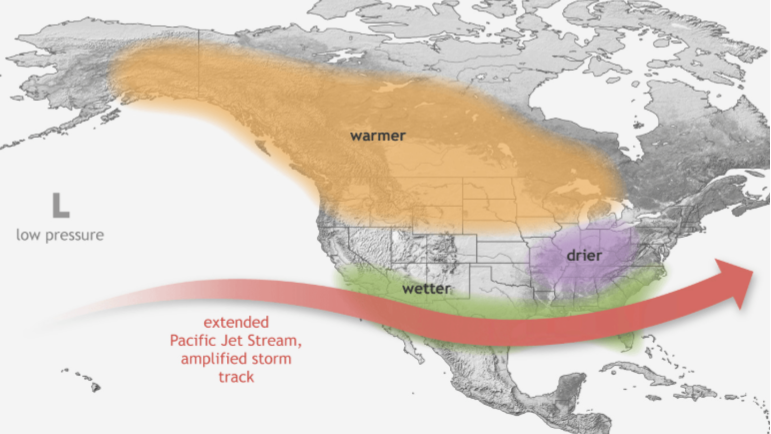
    This phenomenon occurs every 2 to 7 years, and causes a disruption of weather patterns globally. Despite having varying levels of intensity from year to year, El Niño has a widespread climate effect as it is commonly associated with warmer-than-average temperatures across the globe. Southeast Asian countries often suffer from decreased rainfall and droughts, whereas North and South American regions tend to have heavy rainfall that causes floods and landslides. 


    What Happens When a Natural Cycle Meets a Warming Planet

    Australia and Indonesia have drier climates that affect the availability of water resources and agriculture. In recent years, researchers have become increasingly concerned about the direct link of El Niño to the rapid change in climate. Though a natural phenomenon, human-induced climate change may have an inordinate impact on El Niño. For instance, if an El Niño event occurs during a period of already high global temperatures, it can further contribute to record-breaking heat, as experienced in 2026. 

    Climatologists point out that this rapidly growing phenomenon is causing unprecedented warming of the planet and putting the year among the hottest years ever recorded, while 2027 may see even higher temperatures.

    “El Niño conditions will pour fuel on the fire of a warming world.  Impacts will hit even harder, travel even farther, and cross borders with devastating speed.  The only effective response is climate action equal to the crisis – ending the addiction to fossil fuels, accelerating the shift to renewables, protecting the most vulnerable, and delivering early warning systems for all.”  warns UN Secretary-General António Guterres in his WMO press release.  


    To conclude, the emergence of El Niño serves as an alarming indicator that climate-related catastrophes are no longer distant possibilities. The scale of its impact on weather conditions highlights the urgent need for stronger mitigation measures and preparedness for the future. Ignoring these signals could leave communities increasingly exposed to possible climate extremes, making them more vulnerable to such future events.

  • Inside the SpaceX IPO: Who Really Benefits?

    Inside the SpaceX IPO: Who Really Benefits?

    On June 12, 2026, SpaceX went public on the Nasdaq under the ticker SPCX. Shares were priced at $135 each, valuing the company at $1.75 trillion and raising around $75 billion, making it the biggest IPO in stock market history, topping even Saudi Aramco’s 2019 listing. The IPO made founder Elon Musk the world’s first trillionaire. 

    The hype was massive. Over 125 analysts from 21 banks were brought in for the roadshow, and SpaceX hosted a special event for 1,500 retail investors days before pricing. Starlink, the satellite internet business that makes up the majority of SpaceX’s revenue, was the headline story driving the astronomical valuation.

    It looks thrilling on the surface. However, looking closer at how this deal was structured presents a different image; one where everyday investors are being handed the risk while insiders make a clean exit.

    In a typical IPO, regular people get around 5-10% of shares. SpaceX reportedly set aside up to 30% for retail investors three to six times the norm. Musk framed this as giving ordinary people a rare chance to invest in a world-changing company.

    But there’s a catch. At a $1.75 trillion valuation, SpaceX’s stock price already assumes everything goes right, Starlink keeps growing fast, Starship becomes a commercial success, and new ventures like xAI pay off. The company’s own filings disclose billions in ongoing losses. Insiders have known about that cash burn for years. Most retail buyers are learning about it in between breathless news headlines about a possible $5 trillion valuation.

    On top of that, the shares sold to the public are Class A which carry far less voting power than the Class B shares held by Musk and a few key insiders. Retail investors are being invited to fund the company’s future while being given almost no say in how it’s run. Calling that “inclusion” is a stretch.

    While retail buyers rush in, the people who were in early are rushing out  at extraordinary profit.

    In the year before the IPO, SpaceX ran private share sales for employees and insiders that valued the company at around $800 billion. That’s less than half the $1.75 trillion IPO price. Anyone who bought into those private sales and held to the public listing effectively doubled their money almost overnight.

    Board-level relationships raise further questions. SpaceX board member Antonio Gracias runs Valor Equity Partners, which owned about 7.3% of SpaceX shares going into the IPO. At the same time, SpaceX’s xAI subsidiary has leased equipment from Valor in deals worth over $20 billion. A board member’s firm profiting from both equity stakes and commercial contracts with a related company is exactly the kind of thing that should attract scrutiny from anyone buying shares.

    The IPO also appears designed to settle a web of insider deals. SpaceX’s filings describe a $60 billion acquisition of Cursor, with termination fees payable in SpaceX stock if the IPO hadn’t gone through. This was never just a fundraiser. It was a mechanism for converting years of private arrangements into public wealth quietly, and at the public’s expense.

    SpaceX might be the company to lead the human race into planetary colonization. Starlink may be a real business with real growth that provides a vital service to millions around the world, but it is clear that this IPO was structured to benefit insiders first and retail investors last. The record allocation to everyday buyers is not generosity, it’s a way to absorb risk and pass it on to your average retail investor.

  • Beating Bottomless Budgets

    Beating Bottomless Budgets

    Inflated company valuations and government budgets are not the only thing bogging us down in this economy; the problem has made its way through to the filmmaking industry as well, with production costs rising across genres and formats alarmingly.

    The recently announced Harry Potter TV series for HBO is a reminder of the precedent studios give to bigger projects with popular fan bases, as they funnel money like there is no tomorrow. Some reports have speculated on very high per-episode budgets, though while figures remain unconfirmed, some describe it as around $100 million per episode. To put that into perspective, the original eight-film series had combined production budgets estimated at around $1 billion. Even after considering inflation and the franchise’s popularity, a single season would rival the combined cost of the eight films, and the films themselves raked in more than $7 billion at the global box office, a scale of theatrical revenue that streaming platforms cannot promise.

    The global nature of content now calls for bigger budgets, and this trend now follows in the form of Amazon’s The Rings of Power, which is reported to have cost around half a billion dollars for its first season, making it one of the most expensive TV shows in history. In recent years, feature films have seen similar cost escalation. Reported and estimated budgets include Netflix’s The Electric State ($350 million), Mission: Impossible — Dead Reckoning Part One (nearly $400 million), Indiana Jones and the Dial of Destiny ($300 million), and several large Marvel-related projects, like Deadpool & Wolverine (approximately $500 million). These big budgets are often a hit or a miss. 

    Here in India, many films find it difficult to manage the growing scale and ambition. A lack of well-planned production and operations is a major challenge, evident in the cases of Brahmastra and Adipurush, both of which exceeded their original budgets and faced audience dissatisfaction and weaker-than-expected revenue. Budgets also run deep for highly anticipated projects. Controversy aside, in the case of Don 3, Excel Entertainment reportedly incurred losses of around ₹45 crore in pre-production alone.

    A contributing factor is the growing share marketing and promotion occupy in the budget, a new requirement in an increasingly cluttered content landscape. Even indie and small-budget films have their own demons, the kind produced not for high viewership but for critical acclaim. For instance, Anora which won five Academy Awards in 2025, including Best Picture, had a production budget of $6 million but reportedly spent three times that amount on marketing, distribution, and awards campaigning.

    At the center of this problem are studios and streaming platforms. The booming streaming industry initially had the power to bid aggressively for content and drive up prices based on the criteria it set, helping in setting new industry standards. Today, streamers have the resources to produce like studios and create original content, the value of which is harder to determine because traditional metrics like box office revenue do not apply in the same way.

    As for studios, there persist unsustainable norms around blockbusters and how their grandeur is often linked to budgets allocated for locations, VFX, and talent. There is ongoing pressure to keep juicing franchises despite diminishing returns on sequels, like the Fast & Furious Franchise, which has reached narrative saturation but production scale and action sequences continue to grow.

    The days of bottle episodes feel rarer, when we were consuming exceptionally written shows that spanned multiple seasons with hour-long episodes. Now we may wait a year for 8 to 12 episodes only to have forgotten the plot or to find that the studio has canceled the show. Much of this is because it is getting harder to create memorable content and more expensive to increase engagement.

    Bigger budgets should translate to bigger responsibilities and higher standards of quality. The biggest asset we have as moviegoers and subscribers is to appreciate and pay for content that caters to deeper human conditions in contrast to the kind that only feeds off elaborate visuals.

  • A World Cup Under Scrutiny

    A World Cup Under Scrutiny

    The latest edition of the FIFA World Cup is being watched by billions of people across the globe not only for the football being played, but also for the various controversies surrounding the entirety of the tournament, with issues plaguing the event before it has even started. The tournament this year, being hosted across three countries: the United States, Mexico, and Canada, is the second time the World Cup is being hosted across multiple nations; the last time being in 2002, hosted across South Korea and Japan. However, current geopolitical tensions and conflicts have caused a plethora of problems for FIFA, the players, and the staff involved in the tournament.

    The broader political landscape has caused a lot of geopolitical clashes with countries that are participating in the World Cup. Iran had its participation under doubt due to its current relationship with the United States amidst their recent conflicts. The refusal from FIFA to relocate all matches with Iran to Mexico did not help in ensuring participation. President Trump’s comment on how it would not be “appropriate” for the Iranian national team to attend the World Cup “for their own health and safety” caused the Iranian government to call out the United States to lose its hosting rights. The Iranian players, who have recently completed a match against New Zealand, were forced to head back to their Mexico base immediately rather than being allowed to stay in the US.  

    There has been a string of visa and immigration issues plaguing the players, the staff, and the fans alike. The travel ban enacted by the Trump administration has affected fans from various countries and restricted official staff from entering the United States. According to the Iranian government, around 15 Iranian officials have been refused entry to the United States, and various Iraqi and Iranian players were subjected to invasive searches at the border. Visa bonds were made necessary for fans from Algeria, Cape Verde, Côte d’Ivoire, Senegal, and Tunisia, where they were required to deposit $15,000 in order to gain a visitor visa, a requirement that was later dropped by the US government, as long as the fans had a World Cup ticket.

    A case that garnered attention was that of the Somalian referee, Omar Artan, who was denied entry into the United States “due to vetting concerns”, which resulted in his denial gaining widespread media attention, resulting in him receiving a hero’s welcome back in Mogadishu. The White House has also not ruled out ICE raids during World Cup games, as the head of the White House World Cup Task Force said, “If you are a potential threat, you’re not going to get approved,” leading to speculation on possible ICE raids in the near future.

    FIFA also received criticism as it introduced dynamic pricing for the first time in a World Cup, which led to the prices of the tickets surging far beyond what the average fan could afford. Tickets for the final at MetLife Stadium hit around $11,000 each, leading to criticism from US lawmakers and fan groups. FIFA has also reportedly profited from every ticket that was ever resold, with FIFA taking a 15% fee from both the seller and the buyer, with the majority of the sellers being people who have boycotted the tournament, leading FIFA to benefit from the outrage from its own controversial policies.​

    The newest addition to the rules has been that of “hydration breaks”, a mandatory three-minute break in each half, which were created as a respite from the growing humidity and heat that is prevalent in the United States, Mexico, and Canada around this time of the year. While this move was welcomed by some players, questions were raised about whether these hydration breaks were required in climate-controlled indoor stadiums. FIFA also used these breaks to insert more commercials and generate revenue within those three minutes. It has also raised concerns about breaking the match’s momentum, an important factor in football that is played at such a high level.

    FIFA also faced difficulties in gaining broadcasters for India, as it eventually sought a $100 million bid, but received only an offer of $20 million from Disney Star, India’s largest media company. The lack of a broadcasting deal leading up to the week before the World Cup led to speculation about whether or not India would actually receive the World Cup for its audience, with concerns over the difference in time zones leading to a lack of a proper audience. However, just nine days before the World Cup, the Zee Media Group struck a last-minute $40 million deal with FIFA, finally ending the standoff over who would broadcast the World Cup in the country. However, there have been complaints from viewers about the lack of 4K in the broadcast, predatory subscription tactics, and subpar streaming quality.

    This edition of the World Cup has been under tremendous media scrutiny and attention, and deservedly so, as many aspects of the handling of the World Cup have seen no transparency and a lack of accountability from both FIFA and the host country of the United States. While the games have been thrilling and entertaining, the story behind the scenes is much more filled with problems, problems that have a chance of arising and ruining the games that are being played. Fans across the globe hope that these issues will be resolved and that the World Cup will function in a smooth and civilized manner, something that is worthy of the title of the “World’s Greatest Game”.

  • Who Gets to be Seen?

    Who Gets to be Seen?

    What does it mean to be recognised? At first the answer seems simple. It means feeling seen and valued. Today recognition means a lot more than just that. For communities recognition is about being visible and having a place in public life. It is about being able to preserve their history and assert their presence onto society. 

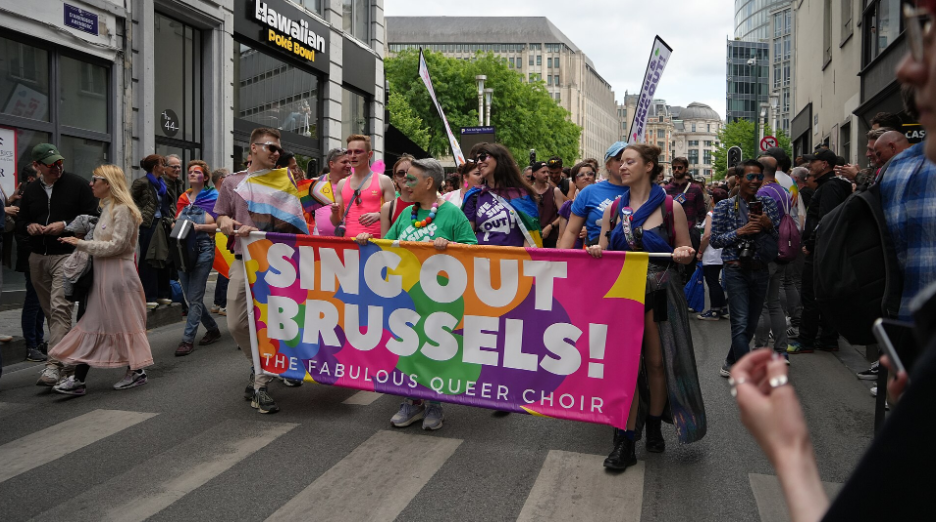
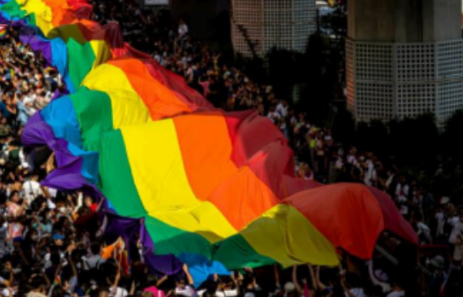
    In June 2026 some states in the United States led by Republicans started celebrating months. For example, Indiana and Tennessee said June is “Nuclear Family Month” while Arkansas and Utah said it is akin to “Fidelity Month”. The people who support these festivals say they are all about family, faith, commitment and traditional values. However LGBTQ+ advocates say that having these celebrations during Pride Month makes it harder for LGBTQ+ people to be seen.

    This is not just about what to call a month. It is about who gets to be part of life. The debate about Pride Month depicts the same. The people who support Nuclear Family Month and Fidelity Month say that values like family and faith should be recognised. Alternatively, the people who do not support them say that this is just a way to counter Pride Month and make LGBTQ+ people less visible. Consequently, this is not just about the month of June but about identities and values of people who associate them with that. Pride Month is about LGBTQ+ people. It is about equality and acceptance.

    To understand why Pride Month is important we need to take a look at its history. It started because of the Stonewall uprising in June 1969. This was the time when people at the Stonewall Inn, in New York City stood up against a police raid that targeted people of LGBTQ+ community. This event was a notable moment in the modern LGBTQ+ rights movement. The first Pride march happened this year and over time Pride Month became a staged event. Moreover, it was about celebration, remembrance and advocacy. Pride Month is a time when LGBTQ+ people are able to come together and celebrate their identities.

    This incident from history helps us comprehend the importance of visibility, and how LGBTQ+ people’s recognition is not about celebration but being acknowledged by the society and its people where they have often been treated unfairly over time. When people are not represented correctly they can feel alone and unseen. Research has shown that social support and visibility brings fulfillment. The Trevor Project found out that LGBTQ+ people who have support from family are less likely to attempt suicide. While visibility is not enough to fix all the problems, it makes sure that recognition helps in creating an environment where people can be supported and accepted.

    The other June observances caused reactions. LGBTQ+ advocates say that visibility shows whether politicians and institutions care about their communities or otherwise. Josh Coleman, the president of Central Alabama Pride says that LGBTQ+ people notice when politicians do not acknowledge their lives and histories. For the people who support Pride Month visibility is not just symbolic but it is a way to show that they are included in life. Recognition is about being part of life.

    The people who support such proclamations have views. Arkansas Governor Sarah Huckabee Sanders says that Fidelity Month is a chance to renew commitments to God, family, community and country. Indiana Governor Mike Braun states that the nuclear family is part of the society. From this perspective the observances recognise values that support stability and civic life. These values are of utmost importance to people.

    All these views show why recognition can be debatable. Public recognition is not about what is being honoured but about what societies choose to prioritise. When governments make proclamations they send signals about which histories, communities and values are essential key factors. This is why recognition can cause disagreements even when people are advocating for important things. Recognition does not have to be a competition. Some LGBTQ+ advocates express that values like family, faith and Pride are not mutually exclusive. LGBTQ+ people can value family and faith like anyone else. This means that identities and values can coexist together, rather than competing for recognition.

    In the end the debates about June 2026 show us something about culture. Recognition is not about naming a month or choosing one. It shapes visibility, belonging and experiences that are being acknowledged in life. The fight over Pride Month and alternative observances illustrates that recognition matters. It helps us determine who feels visible, valued and included in the story a society tells about itself. Pride Month and the alternatives observances are about values. These values do not have to be in opposition to each other. They can both be part of the story a society tells about itself.


    Image Credits: Wikimedia Commons

  • Artemis II: Return to Deep Space After 50 Years

    Artemis II: Return to Deep Space After 50 Years

    Mission Overview

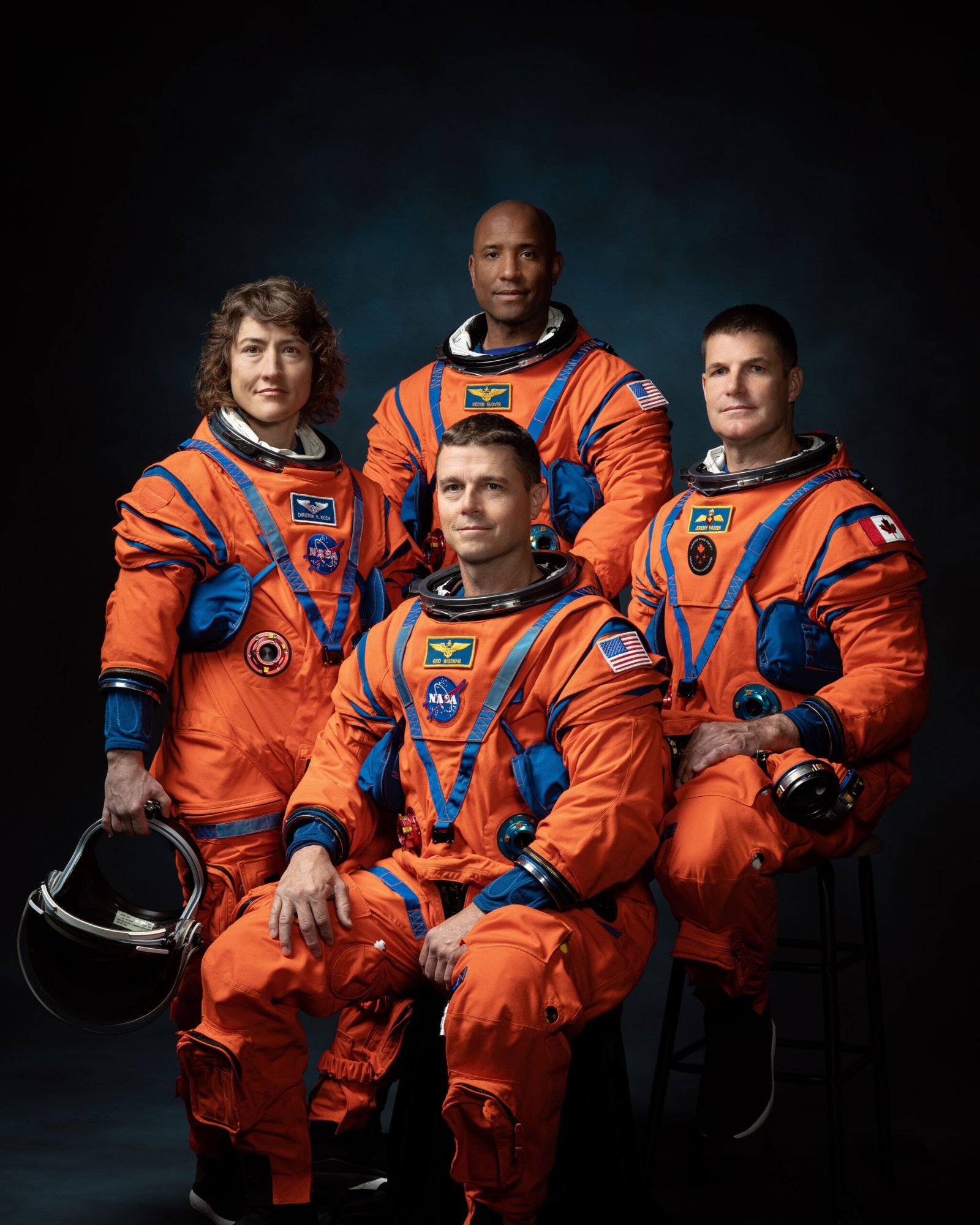
    Launched on April 1, 2026 from the Kennedy Space Centre in Merritt Island, Florida after more than 50 years since the Apollo 17 mission, NASA has resumed crewed exploration beyond Earth orbit once again. During this mission, four astronauts have been launched to travel around the moon before returning to Earth. The crew includes NASA astronauts Reid Wiseman, Victor Glover, and Christina Koch, along with Canadian astronaut Jeremy Hansen. The mission is expected to last 10 days, ending with a splashdown in the Pacific Ocean. The mission aims to test critical safety measures required for future deep space exploration.

    Trajectory and Distance

    Artemis II is designed to follow a free return trajectory, allowing spaceflight to loop around the moon and return to Earth using lunar gravity. The mission is expected to set several human spaceflight records, including distance from Earth (406,773 km); distance beyond the Moon (about 7,600 km); and velocity (atmospheric re-entry speed of about 40,000 km/h).

    Mission Objectives and Testing

    Artemis II is mainly designed to check the Orion Spaceflight, NASA’s deep space crew vehicle, designed to carry astronauts beyond low Earth orbit, and its overall performance in deep space conditions. Key systems, including life support, navigation, propulsion and communication, are being tested to ensure they can operate reliably during long duration missions beyond low Earth orbit.

    The astronauts are also carrying out operational tasks such as proximity manoeuvres, handling onboard systems and preparing for emergencies. These activities are intended to assess how effectively both the crew and spaceflight can function together in deep space.

    In parallel with this, the crew is participating in health related experiments, including tracking sleep patterns, studying radiation exposure, and observing how the human body responds in space. The data collected will help scientists to understand the physical and psychological impact of deep space and to improve future deep space missions.

    Radiation exposure is a key concern. During the mission, astronauts are expected to use about 5% of their total lifetime radiation limit, which is roughly equal to the exposure from spending a month on the International Space Station. Studying these radiation exposure levels will help improve protection systems and establish safety for longer missions, including further lunar landings.

    Crew Composition

    The Artemis II crew includes four astronauts, representing both NASA and the Canadian Space Agency.

    The crew consists of NASA astronauts Reid Wiseman (50), the oldest member of the crew, Victor Glover (49), the first Black astronaut assigned to a lunar mission, and Christina Koch (47), the first woman assigned to a lunar mission. Jeremy Hansen (50) is the first non-U.S. citizen to participate in a mission beyond low Earth orbit.

    Launch and Early Mission Phases

    The mission was launched successfully from the Kennedy Space Centre, with the Space Launch System (SLS) generating over 8 million pounds of thrust during liftoff. Post launch, the Orion spaceflight entered a high Earth orbit and later performed a translunar injection burn lasting for approximately six minutes, placing it on a trajectory towards the moon.

    During the initial phase of the mission, astronauts carried out system checks, tested onboard equipment and prepared for the lunar flyby. The Spaceflight has already travelled more than 100,000 miles from Earth and continues to follow its planned trajectory.

    Future Prospects

    Artemis II is part of a broader program focused on returning humans to the moon. The next big mission, Artemis III, is expected to attempt a crewed lunar landing with a focus on the moon’s south pole.

    This region is being studied for the presence of water ice beneath its surface. These resources could be useful for producing fuel and supporting life during future missions. Unlike other missions, Artemis III is designed for long-term exploration rather than short-term visits.

    Artemis II is set to be the first crewed mission beyond low Earth orbit in over five decades. As astronauts travel in deep space and test critical systems, this mission provides data that will help future lunar exploration. It also reflects a broader step toward expanding human presence beyond Earth, with implications for long-term space missions.

  • Norman Conquest: A Progressive Shift in English

    Norman Conquest: A Progressive Shift in English

    English has become the lingua franca of the world. It enjoys a status like no other language, but if we delve into its history, we’ll find a time when the status of English plummeted.

    As a Germanic language, English shares a common ancestry with languages like German and Dutch. Yet, it consists of a large number of loanwords (words borrowed from a foreign language) from various languages like French and Spanish, which are called “Romance languages” (languages descended from Vulgar Latin). For instance, the word “cry” was derived from French.

    Around a thousand years ago, the language spoken in England was Old English, which would be utterly incomprehensible to us today. Take the epic poem Beowulf, for example. This renowned work of Old English literature, likely written before the 11th century, recounts the heroic adventures of its namesake, Beowulf. The opening lines, “Hwæt! We Gardena in geardagum, þeodcyninga, þrym gefrunon, hu ða æþelingas ellen fremedon,” seem almost alien to modern English speakers. Yet, this language evolved over centuries into the English we speak today.

    Beowulf manuscript from the British Library / Source: Wikiemedia Commons

    This brings us to the Norman Conquest, which resulted in the assimilation of French words into English. Nearly a millennium ago, the Vikings settled in northwest France and established the Duchy of Normandy under a treaty with the King of France. These settlers, known as Normans, adopted French culture and began speaking French in a distinctive dialect called “Norman French”.

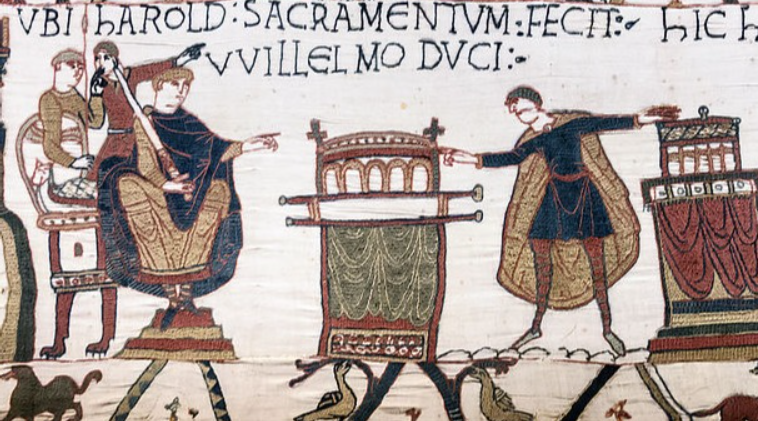
    English took a dramatic turn when William, a descendant of these Viking settlers, became the Duke of Normandy. After the death of the King of England in AD1066, Edward the Confessor, William claimed that he was named the heir to the English throne by Edward, his distant cousin. However, Harold, Earl of Wessex, assumed the throne instead. As a result, William launched a bold invasion of England and defeated Harold at the famous Battle of Hastings, which completely altered the fate of English. The reign of William brought significant political, economic and social change to England.

    Years after the beginning of his rule, he commissioned the Doomsday Book, a country-wide census to record the details of all land in his kingdom. This was written in Latin, and the meanings of many rights and laws were changed. Additionally, words and concepts that were new to England were used. However, the book was never translated into English, so any explanation of the changed meanings of the rights and laws was almost inaccessible to the English speakers of England.

    William established Anglo-French as the language of public state business and the court, along with Latin. Law codes written in Old English were altered by adding French phrases, paving the way for French in English legal practice. William brought the French aristocracy to England, which created a French-speaking upper class. They could not affect the general speech but could influence the elite class, as the literacy rates in England were low at that time. Eventually, English became the language of the commoners as the nobles switched to French. Nonetheless, French was the official language, so French loanwords found their way into English. For example, the word ‘throne” was derived from the French word “trône”.

    Nearly 200 years later, French gained more momentum in England. French became attractive to the general public as it was the primary language of the aristocracy, leading to more French words and expressions being included in the English lexicon. Moreover, new words were coined from combinations of French and English words. Similarly, words were formed by adding French affixes and roots to Old English words. For instance, the combination of the English verb “hinder” and the French suffix “-ance” created the noun “hindrance”. In the evolution of English, the Norman Conquest resulted in the beginning of a new era of English – Middle English, that lasted until around AD1500, and it was around this period that English started gaining prestige.

  • Rainbow Washing or Allyship: Brands and Their Campaigns During Pride Month

    Rainbow Washing or Allyship: Brands and Their Campaigns During Pride Month

    Every year, the month of June is marked by the colourful embrace of the queer community that celebrates how far the LGBTQ+ community has come. This year marked the 55th anniversary of the 1969 Stonewall uprising in Manhattan. The Stonewall uprising was a turning point for the Gay Liberation Movement, which was prominent throughout the late 1960s.

    In a contemporary context, Pride Month is celebrated through pride parades that promote inclusivity, donations and volunteering while protesting against inequalities. Apart from the members of the community celebrating, even other members and the public participate in such parades. This shows the support and brotherhood that they have for their fellow society members. Nowadays even brands have started showing support during this month through different campaigns, pride-special events, products and much more. Brands have faced major criticism for following the brand and not understanding the cause behind it or rather not committing to it.

    Recently, with the increase in commodifying any sort of awareness campaign, brands have hopped on the bandwagon to commercialize Pride Month by coming up with their own campaigns and merchandise. These initiatives might look like genuine efforts to show support but a lot of brands have been taking part in ‘rainbow washing’ or capitalising off of queer communities by showing apparent support to them while actually not providing substantial support.

    Some famous brands were under fire for alleged ‘rainbow-washing’. An example of this is the pride sandwich that was released by Marks and Spencer, called LGBT; “Lettuce, Guac, Bacon & Tomato”. They were criticised for reducing the entire community and their struggles into a basic sandwich.

    As a response to backlash from conservative groups faced by companies for supporting the LGBTQ+ community, this Pride Month, the number of brands showing outward support towards the community has decreased. This can be observed in the case study of the American retail corporation Target as well as the beer brand Budlight. The aforementioned companies, due to a backlash from conservative groups, were forced to keep a low profile this June. Budlight, a top beer brand, faced backlash following their collaboration with a transgender influencer Dylan Mulvaney. The situation became a focal point when they started gaining criticism even from Pride supporters when it came to light that the beer brand donates huge amounts to conservative lawmakers who are not supportive of the community.

    Although a lot of brands faced criticism for slacktivism (supporting a political or social cause by putting in minimal effort without actual commitment), there are a number of brands that have been promoting the community with true spirit.

    Accenture has been going over and beyond to support the community and provide a safe space for them within the working environment. The company has its own ‘Pride Means More’ campaign, which aims at ensuring an inclusive workspace for all employees.

    The Lego Group, a toy company, launched the ‘A-Z of Awesome’ campaign which aimed at families to have meaningful conversations about different identities. The company instead of painting the existing products with rainbow colours introduced a whole new product. This campaign was really appreciated and liked by the public and the LGBTQ+ community.

    Hindustan Zinc Limited also took a step towards inclusivity and has introduced a policy that will provide financial support to transgender employees. It was launched in association with the company’s Pride Month celebrations. They had interviewed their employees, where their employees were sharing their experience of having such a supportive and inclusive work space regardless of their gender and identity.

    In summary, Pride Month serves as a major annual observance for the LGBTQ+ community, celebrating milestones like the Stonewall uprising while fostering inclusivity and awareness. However, along with genuine efforts to support and celebrate, there always exists a notable trend of superficial gestures and commercial exploitation. The challenges faced by companies navigating these waters underscore the importance of authenticity and sustained commitment in advocating for LGBTQ+ rights. The main focus should remain on meaningful actions that contribute positively to the community’s progress and well-being and not for a brand’s own welfare

  • Legendary Filmmaker Rob Reiner dies at 78

    Legendary Filmmaker Rob Reiner dies at 78

    Rob Reiner, legendary Hollywood director and actor, passed away on Sunday, December 14th 2025, in Los Angeles, California. He was found dead alongside his wife, Michele Singer Reiner, in their Brentwood home. Their son Nick Reiner was taken into custody on suspicion of murder, according to reports. The couple’s bodies were discovered by emergency responders on Sunday afternoon, which led to a homicide investigation.

    On Saturday evening, December 13th, Rob and Michele Reiner attended a holiday party hosted by popular late-night television host Conan O’Brien. According to reports from family friends, an argument occurred between Reiner and his son during the event, although the reason for the argument remains unclear, they left the event soon after. After the investigation, police arrested Nick Reiner, their son; his bail was initially set at $4 million but was later revoked. As of 17th December, Nick is still in custody.

    Born Robert Norman Reiner, Reiner grew up in show business as his father was an actor and comedy legend, Carl Reiner. One of Reiner’s most prominent initial roles was as “Meathead” in the sitcom All in the Family, which went on to make him a household name. His directorial films that followed went on to change Hollywood. Between 1984 and 1992, Reiner directed iconic films such as This is Spinal Tap, Stand by Me, The Princess Bride, and When Harry Met Sally, among other hit films. Comedy, coming-of-age, fantasy, rom-coms and even courtroom dramas are just some of the genres Reiner mastered in his films.  Reiner famously said in many of his interviews that he believed in characters more than concepts.

    Well into his career, Reiner continued to remain active both behind and in front of the camera. He directed Being Charlie in 2015, a semiautobiographical drama about addiction and recovery, written by his son Nick Reiner, on whom the story was reportedly based. Reiner also directed the HBO political biopic LBJ (2016), starring Woody Harrelson. In recent years, he also played supporting characters in shows and movies like New Girl, The Wolf of Wall Street, The Newsroom, etc. These projects reflected his late-career focus on politics, media, and institutional power, as Reiner was less interested in a stage career and more interested in stories that explored power, leadership, and politics.

    Beyond his career, Reiner was an outspoken activist. In the 1990s, Reiner became an advocate for public health and educational reform. He co-founded the I Am Your Child Foundation, the American Foundation for Equal Rights, and several other organisations aimed at expanding access to nutrition, healthcare, and early learning, often funding research himself.

    After hearing the news of his passing, fans mourned the loss of their beloved filmmaker across social media platforms. Many highlighted his off-screen wit and humility. His fellow filmmakers, co-stars and politicians across generations also expressed their grief online. President Trump wrote in a social media post on Monday morning that Reiner’s death was “reportedly due to the anger he caused by others through his massive, unyielding, and incurable affliction … known as TRUMP DERANGEMENT SYNDROME.” Many criticised Trump for his insensitive comment. New Girl co-star Zooey Deschanel wrote, “I cherish the time we spent working together and the many films he made that have shaped who I am”. Many of Reiner’s friends were seen at his place just a few hours after his death, including stars like Larry David and Bill Crystal, reportedly in tears. The passing of Rob Reiner marks the end of an era in Hollywood, as it was rare in Hollywood to find a filmmaker who mastered almost every genre of film.