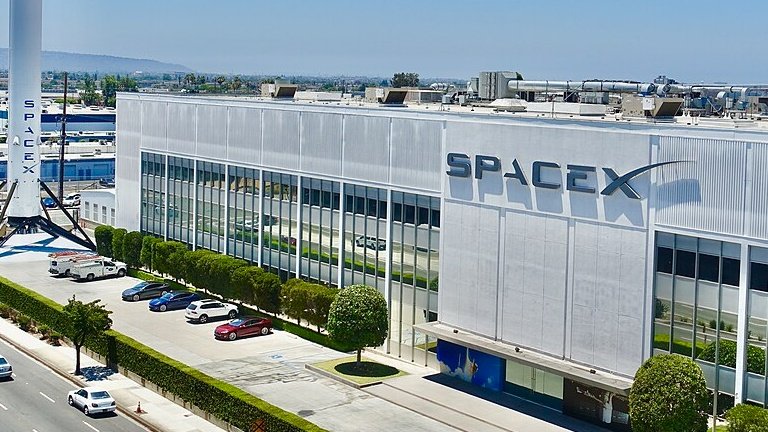
On June 12, 2026, SpaceX went public on the Nasdaq under the ticker SPCX. Shares were priced at $135 each, valuing the company at $1.75 trillion and raising around $75 billion, making it the biggest IPO in stock market history, topping even Saudi Aramco’s 2019 listing. The IPO made founder Elon Musk the world’s first trillionaire.
The hype was massive. Over 125 analysts from 21 banks were brought in for the roadshow, and SpaceX hosted a special event for 1,500 retail investors days before pricing. Starlink, the satellite internet business that makes up the majority of SpaceX’s revenue, was the headline story driving the astronomical valuation.
It looks thrilling on the surface. However, looking closer at how this deal was structured presents a different image; one where everyday investors are being handed the risk while insiders make a clean exit.
In a typical IPO, regular people get around 5-10% of shares. SpaceX reportedly set aside up to 30% for retail investors three to six times the norm. Musk framed this as giving ordinary people a rare chance to invest in a world-changing company.
But there’s a catch. At a $1.75 trillion valuation, SpaceX’s stock price already assumes everything goes right, Starlink keeps growing fast, Starship becomes a commercial success, and new ventures like xAI pay off. The company’s own filings disclose billions in ongoing losses. Insiders have known about that cash burn for years. Most retail buyers are learning about it in between breathless news headlines about a possible $5 trillion valuation.
On top of that, the shares sold to the public are Class A which carry far less voting power than the Class B shares held by Musk and a few key insiders. Retail investors are being invited to fund the company’s future while being given almost no say in how it’s run. Calling that “inclusion” is a stretch.
While retail buyers rush in, the people who were in early are rushing out at extraordinary profit.
In the year before the IPO, SpaceX ran private share sales for employees and insiders that valued the company at around $800 billion. That’s less than half the $1.75 trillion IPO price. Anyone who bought into those private sales and held to the public listing effectively doubled their money almost overnight.
Board-level relationships raise further questions. SpaceX board member Antonio Gracias runs Valor Equity Partners, which owned about 7.3% of SpaceX shares going into the IPO. At the same time, SpaceX’s xAI subsidiary has leased equipment from Valor in deals worth over $20 billion. A board member’s firm profiting from both equity stakes and commercial contracts with a related company is exactly the kind of thing that should attract scrutiny from anyone buying shares.
The IPO also appears designed to settle a web of insider deals. SpaceX’s filings describe a $60 billion acquisition of Cursor, with termination fees payable in SpaceX stock if the IPO hadn’t gone through. This was never just a fundraiser. It was a mechanism for converting years of private arrangements into public wealth quietly, and at the public’s expense.
SpaceX might be the company to lead the human race into planetary colonization. Starlink may be a real business with real growth that provides a vital service to millions around the world, but it is clear that this IPO was structured to benefit insiders first and retail investors last. The record allocation to everyday buyers is not generosity, it’s a way to absorb risk and pass it on to your average retail investor.
Leave a Reply