Author: Sahil Seshadri

  • Inside the SpaceX IPO: Who Really Benefits?

    Inside the SpaceX IPO: Who Really Benefits?

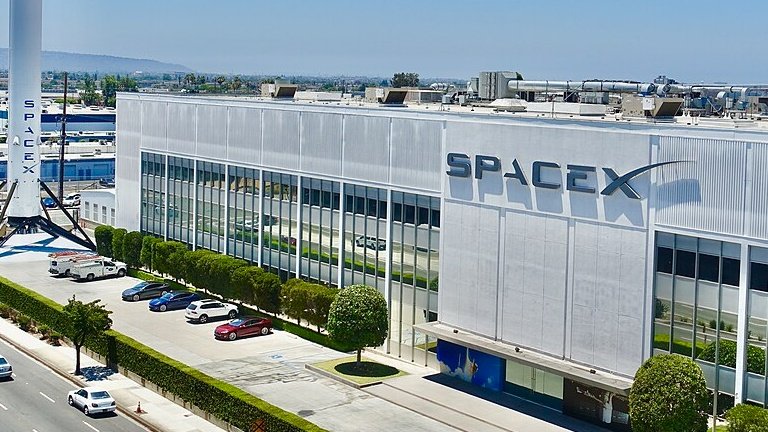
    On June 12, 2026, SpaceX went public on the Nasdaq under the ticker SPCX. Shares were priced at $135 each, valuing the company at $1.75 trillion and raising around $75 billion, making it the biggest IPO in stock market history, topping even Saudi Aramco’s 2019 listing. The IPO made founder Elon Musk the world’s first trillionaire. 

    The hype was massive. Over 125 analysts from 21 banks were brought in for the roadshow, and SpaceX hosted a special event for 1,500 retail investors days before pricing. Starlink, the satellite internet business that makes up the majority of SpaceX’s revenue, was the headline story driving the astronomical valuation.

    It looks thrilling on the surface. However, looking closer at how this deal was structured presents a different image; one where everyday investors are being handed the risk while insiders make a clean exit.

    In a typical IPO, regular people get around 5-10% of shares. SpaceX reportedly set aside up to 30% for retail investors three to six times the norm. Musk framed this as giving ordinary people a rare chance to invest in a world-changing company.

    But there’s a catch. At a $1.75 trillion valuation, SpaceX’s stock price already assumes everything goes right, Starlink keeps growing fast, Starship becomes a commercial success, and new ventures like xAI pay off. The company’s own filings disclose billions in ongoing losses. Insiders have known about that cash burn for years. Most retail buyers are learning about it in between breathless news headlines about a possible $5 trillion valuation.

    On top of that, the shares sold to the public are Class A which carry far less voting power than the Class B shares held by Musk and a few key insiders. Retail investors are being invited to fund the company’s future while being given almost no say in how it’s run. Calling that “inclusion” is a stretch.

    While retail buyers rush in, the people who were in early are rushing out  at extraordinary profit.

    In the year before the IPO, SpaceX ran private share sales for employees and insiders that valued the company at around $800 billion. That’s less than half the $1.75 trillion IPO price. Anyone who bought into those private sales and held to the public listing effectively doubled their money almost overnight.

    Board-level relationships raise further questions. SpaceX board member Antonio Gracias runs Valor Equity Partners, which owned about 7.3% of SpaceX shares going into the IPO. At the same time, SpaceX’s xAI subsidiary has leased equipment from Valor in deals worth over $20 billion. A board member’s firm profiting from both equity stakes and commercial contracts with a related company is exactly the kind of thing that should attract scrutiny from anyone buying shares.

    The IPO also appears designed to settle a web of insider deals. SpaceX’s filings describe a $60 billion acquisition of Cursor, with termination fees payable in SpaceX stock if the IPO hadn’t gone through. This was never just a fundraiser. It was a mechanism for converting years of private arrangements into public wealth quietly, and at the public’s expense.

    SpaceX might be the company to lead the human race into planetary colonization. Starlink may be a real business with real growth that provides a vital service to millions around the world, but it is clear that this IPO was structured to benefit insiders first and retail investors last. The record allocation to everyday buyers is not generosity, it’s a way to absorb risk and pass it on to your average retail investor.
  • The Virus That Will Not Go Away: DRC’s Outbreak of Ebola

    The Virus That Will Not Go Away: DRC’s Outbreak of Ebola

    On 5 May 2026, World Health Organization (WHO) received reports of an outbreak of an unknown disease in Mongbwalu Health Zone, Ituri Province, in the Democratic republic of Congo causing high mortality, including among health workers. These patients showed symptoms common in Ebola viruses. Ten days later on 15 May scientists at the Institut National de Recherche Biomédicale in Kinshasa confirmed that 13 blood samples were positive for Bundibugyo virus disease (BVD). 


    Ebola Bundibugyo Virus Disease is a very rare and severe variant of Ebola virus disease, also known as viral haemorrhagic fever. It is a zoonotic disease ,with fruit bats suspected to be the natural reservoir. Human infection is attributed to direct exposure to blood or other body fluids from infected wild animals (such as bats or non-human primates) and then to direct contact with the blood, other body fluids, organs or contaminated surfaces or items from infected humans. A vaccine or specific therapeutics for Bundibugyo virus is not available. The Virus therefore presents a significant threat to the potential widespread international spread.


    In response to the outbreak, the DRC Ministry of Public Health declared an Ebola outbreak on May 15. By the next day there were confirmed cases of BVD in Kampala, the capital of neighboring country Uganda. They were attributed to travel from the Congo into Uganda. On May 17, WHO Director-General Dr. Tedros Adhanom Ghebreyesus declared the outbreak a Public Health Emergency of International Concern. The highest alert given by WHO, it seeks coordinated international funding and response mechanisms. 


    As of June 17 the DRC’s total number of confirmed cases was 837 and the total number of confirmed deaths was 196, with sixteen health workers confirmed infected. The International Council of Nurses (ICN) reported that the health care workers in DRC were reporting shortages in PPE and testing kits leading to high points of exposure to the disease.

    There are a number of problems that are slowing down the response to the outbreak. In eastern DRC conflict amongst various militant and ethnic groups is an obstacle in providing medical care. Large amounts of the population in disease stricken regions such as Ituri are displaced. Estimates put the number of displaced populations at over 990,000.


    Out of a $319 million response budget, $2,87 million still remains unsecured. With the cutting of USAID by the Trump administration and the exit of the United States from the WHO, raising funding still remains to be a big issue in combating the epidemic.


    There have also been multiple instances of people not cooperating with health workers and clashing with police and authorities over the deceased bodies of family members. Multiple suspected Ebola patients have run away from their medical centers where they were kept for observation.


    Eastern DRC borders 9 countries and is a crossroads of trade, mining and industry. The region also has frequent movement of refugees due to various conflicts leading to a high risk of transmission that might affect trade and commerce around the world. Unlike Mongbwalu , Kampala is a capital city. The international airport in Kampala has routes to other parts of Africa along with several intercontinental destinations. Transmission could soon leave Africa and trouble the rest of the world.


    The DRC has successfully contained Ebola outbreaks before. There are numerous international organizations and institutions set in place to fight back against the virus. At the forefront of response is the development of a vaccine. The coalition of Epidemic Preparedness Innovations (CEPI) has announced funding to fast track 3 vaccine candidates that can counter BVD. The vaccines are being developed by IAVI, Moderna and the University of Oxford. According to health officials the outbreak needs to be fought on a global level with various nations providing financial, logistical and medical support. The next few months are critical in the fight against the outbreak and is a test of not only DRC’s medical safeguards but the world’s.

    Image Credits: Wikimedia Commons