Blog

  • Rainbow Washing or Allyship: Brands and Their Campaigns During Pride Month

    Rainbow Washing or Allyship: Brands and Their Campaigns During Pride Month

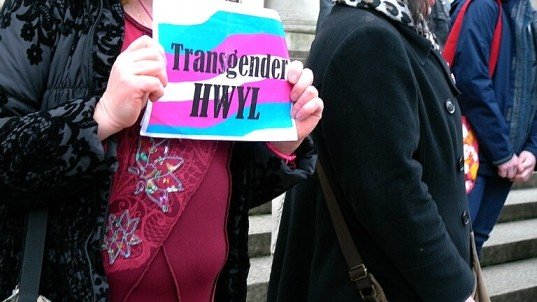
    Every year, the month of June is marked by the colourful embrace of the queer community that celebrates how far the LGBTQ+ community has come. This year marked the 55th anniversary of the 1969 Stonewall uprising in Manhattan. The Stonewall uprising was a turning point for the Gay Liberation Movement, which was prominent throughout the late 1960s.

    In a contemporary context, Pride Month is celebrated through pride parades that promote inclusivity, donations and volunteering while protesting against inequalities. Apart from the members of the community celebrating, even other members and the public participate in such parades. This shows the support and brotherhood that they have for their fellow society members. Nowadays even brands have started showing support during this month through different campaigns, pride-special events, products and much more. Brands have faced major criticism for following the brand and not understanding the cause behind it or rather not committing to it.

    Recently, with the increase in commodifying any sort of awareness campaign, brands have hopped on the bandwagon to commercialize Pride Month by coming up with their own campaigns and merchandise. These initiatives might look like genuine efforts to show support but a lot of brands have been taking part in ‘rainbow washing’ or capitalising off of queer communities by showing apparent support to them while actually not providing substantial support.

    Some famous brands were under fire for alleged ‘rainbow-washing’. An example of this is the pride sandwich that was released by Marks and Spencer, called LGBT; “Lettuce, Guac, Bacon & Tomato”. They were criticised for reducing the entire community and their struggles into a basic sandwich.

    As a response to backlash from conservative groups faced by companies for supporting the LGBTQ+ community, this Pride Month, the number of brands showing outward support towards the community has decreased. This can be observed in the case study of the American retail corporation Target as well as the beer brand Budlight. The aforementioned companies, due to a backlash from conservative groups, were forced to keep a low profile this June. Budlight, a top beer brand, faced backlash following their collaboration with a transgender influencer Dylan Mulvaney. The situation became a focal point when they started gaining criticism even from Pride supporters when it came to light that the beer brand donates huge amounts to conservative lawmakers who are not supportive of the community.

    Although a lot of brands faced criticism for slacktivism (supporting a political or social cause by putting in minimal effort without actual commitment), there are a number of brands that have been promoting the community with true spirit.

    Accenture has been going over and beyond to support the community and provide a safe space for them within the working environment. The company has its own ‘Pride Means More’ campaign, which aims at ensuring an inclusive workspace for all employees.

    The Lego Group, a toy company, launched the ‘A-Z of Awesome’ campaign which aimed at families to have meaningful conversations about different identities. The company instead of painting the existing products with rainbow colours introduced a whole new product. This campaign was really appreciated and liked by the public and the LGBTQ+ community.

    Hindustan Zinc Limited also took a step towards inclusivity and has introduced a policy that will provide financial support to transgender employees. It was launched in association with the company’s Pride Month celebrations. They had interviewed their employees, where their employees were sharing their experience of having such a supportive and inclusive work space regardless of their gender and identity.

    In summary, Pride Month serves as a major annual observance for the LGBTQ+ community, celebrating milestones like the Stonewall uprising while fostering inclusivity and awareness. However, along with genuine efforts to support and celebrate, there always exists a notable trend of superficial gestures and commercial exploitation. The challenges faced by companies navigating these waters underscore the importance of authenticity and sustained commitment in advocating for LGBTQ+ rights. The main focus should remain on meaningful actions that contribute positively to the community’s progress and well-being and not for a brand’s own welfare

  • Bollywood’s Dearth of Fresh Ideas: Is it Paving the Way for OTT Content?

    Bollywood’s Dearth of Fresh Ideas: Is it Paving the Way for OTT Content?

    Bollywood, one of the largest film industries in India and worldwide, has been struggling since the pandemic and has not had a huge comeback post that. At the beginning of COVID, it could have been owed to the theatres not functioning fully-fledged. However, even with complete recovery, the movies have failed to attain the same level of success. Even though there were some hit films last year, 2024 has failed to produce any blockbusters, with almost all films failing to hit the mark.

    Does the sustenance of the industry actually depend upon recycling content and not bringing anything fresh to the table?

    While exploring the motion pictures released in the past twenty years, a certain trend can be noticed in the way a blockbuster will lead to a number of other movies which have similar plots with nothing more than an illusion of uniqueness. This takes the form of either cliched movies, which are very generic in nature and lack original thought, or films, which use the same template over and over until the audience becomes bored with it.

    An example of the former would be the sort of male-centric ‘hero’ movies, which are heavily focused on action sequences to showcase the lead’s masculinity, paired up with a couple of item songs and a female character who could be easily replaced by an inanimate object. Although the interest shown by audiences towards such content has considerably decreased, the conception hasn’t completely gone out of existence. The plethora of films, such as the ‘Race’ franchise, the ‘Baaghi’ series and ‘Animal’, makes it difficult to even watch any movie with such cliched plot lines without feeling a sense of deja vu.

    When it comes to the latter trend, it is comparatively a newer one, which could be noticed since the early 2010s, primarily when filmmakers realised that movies related to sports are a treat to watch for an Indian audience. This led to the abundance of sports-centric material in the Indian film industry, which all follow the same formula where the protagonist has to overcome hurdles to become a sportsperson, and the films end with the main lead winning an exceptional award in their field. Even though movies like ‘MS Dhoni – The Untold Story’, ‘Sultan’, ‘Gold’ have been well received by the audience, they have saturated the genre to the point where newer sports movies and biopics trying to apply the same recipe such as ‘Maidaan’ and ‘Ghoomar’ haven’t received that level of appreciation and have failed at the box office.

    Bollywood’s tendency to remake movies (that did well in the theatres) from other languages has sustained for decades now. From the so-called classic movies such as ‘Bhool Bhulaiyaa’ and ‘Hera Pheri’ to much newer hits such as ‘Drishyam’ and ‘Mili ‘, are all remakes of Malayalam films. Though taking inspiration from pictures on different celluloid is not essentially a bad thing, an excess of it showcases a lack of new ideas.

    Looking through these lenses, it might seem like Bollywood is on a decline. However, the movies that are being released on OTT platforms tell a different story. Since the pandemic forced cinema halls to shut down, the OTT platforms have had a massive boost, with an increasing number of people consuming media through such platforms.

    This leads to the argument that more and more people are choosing to entertain themselves through content showcased online not just because of convenience but also because of its originality and niche storytelling. A recent example would be the film, ‘Laapata Ladies’, which has been a huge success on Netflix. It is one of those stories which makes you wonder if it would have received the same amount of viewership had it been released only on the big screen.

    Films like these help with the belief that there is hope for new visuals aesthetically, intellectually and emotionally.

    Although movies with minimal plots are coming to the theatres, a shift can be noticed in the way audiences have been reacting to them. With the rise of pictures on OTT platforms, the standard of movies has also seen a rise, which leads to people expecting more from filmmakers than the bare minimum.

    The chief factor owing to the lack of new stories in the mainstream films, in comparison to the online platforms, is the fear of the movies being a box office failure. While OTT platforms can afford to take a risk by exploring fresh ideas with a low budget and casting actors who aren’t mainstream, it isn’t the same for commercial films which depend solely upon doing well at the box office market. Such commercial movies with prominent actors and a huge budget are at a risk of failure, and hence have to adhere to ideas that apparently appeal to a larger audience rather than a niche group.

    However, the shift that can be observed in the perception of the industry by the Indian audience due to the influential streaming services, can be the saving grace that Bollywood has been yearning for. Although it will take time for the industry to completely break away from the existing clutches of conventional storytelling, there is scope for improvement.

  • Darjeeling’s Mandarin Oranges receive the GI tag

    Darjeeling’s Mandarin Oranges receive the GI tag

    After nearly 15 years of declining yields, pest infestations and soil-related setbacks, Darjeeling’s iconic mandarin oranges have received a much-needed lifeline. On 24 November 2025, the fruit was granted the Geographical Indication (GI) tag- a move that could potentially revive its cultivation and restore the economic confidence of farmers across the hill region. The recognition was granted by the Geographical Indications (GI) Registry, which operates under the Department for Promotion of Industry and Internal Trade (DPIIT), a part of the Ministry of Commerce and Industry (MoC&I). The GI proposal was initiated by Tulsi Saran Ghim, a former professor at Uttar Banga Krishi Viswavidyalaya (UBKV).iray in August 2022, but was shifted to the hands of Darjeeling Organic Producer Organisation (DOFPO) in August 2024; the applicant was shifted from UBKV to DOFPO so that legal ownership rested in the hands of local farmers.

    The Darjeeling mandarin orange, locally referred to as ‘suntala’, is renowned for its distinctive aroma and delectable sweetness. It is grown in the hills of Darjeeling and Kalimpong due to the favourable climate and soil composition. However, the cultivation of the fruit has recently faced challenges due to infections from the virus Citrus Tristeza and pests like aphids and fruit flies, which cause more harm. The GI recognition is hoped to aid the cultivation of the fruit by enabling farmers to receive better prices and garner a greater market value, opening up doors to not just national but also international markets.

    The Darjeeling Mandarin oranges are the 11th agricultural/horticultural GI from West Bengal and the latest hill product to garner legal recognition apart from the Darjeeling Tea and Dalle Khursani chilli. The oranges stand alongside globally recognised products like Champagne in France, Parmigiano Reggiano and Parma ham in Italy, Scotch whisky from Scotland, which are all GIs that have turned their origin stories into powerful brands. These examples illustrate what is at stake for Darjeeling’s oranges. If Bengal supports its GIs with strong economic and marketing strategies, the oranges can follow the same renowned path as Champagne or Darjeeling Tea, making them a brand of their own.

    A GI (Geographical Indicator) tag is a form of intellectual property that identifies products originating from a specific place and possesses qualities or a reputation essentially linked to that geographical region, thereby legally protecting the product and ensuring its quality. It prevents unauthorised use, assures authenticity and boosts the economic prosperity of the local producers. The GI tag is granted under the Geographical Indications of Goods (Registration and Protection) Act, 1999, in India. The recognition is valid for only 10 years, after which the registration must be renewed; failure to do so results in the lapse of registration, stripping the product of its GI status.

    GI tags allow producers to charge premium prices for their goods in domestic and international markets. The tag also grants authorised producers exclusive rights to produce the product, thereby preventing low-quality or counterfeit products from tarnishing the original product’s name – protecting the authenticity of the genuine product. GI tags also encourage traditional skills of the producers and region-specific methods, which might otherwise be lost due to mass-production alternatives. Regions with famous GI products attract curious tourists interested in local culture and goods. These products also draw visitors to lesser-known areas often overlooked by typical tours.

    India currently has more than 650 registered GI-tagged products, many of which, such as Darjeeling Tea, Basmati Rice, and Madhubani Paintings, are internationally recognised. These registrations include handicrafts, agricultural products, food items, manufactured goods and other natural products which aim to safeguard the regional specialities of India. The Darjeeling Tea was the first Indian product to receive a GI tag in 2004-05, becoming a reference point for later registrations. Currently, Uttar Pradesh has the most significant number of GI-tagged products in India, with 77 GIs as of 2025, surpassing Tamil Nadu (74 products) and Karnataka (46-48 products). It is a proud moment for the Darjeeling farmers as it will provide better opportunities to remunerate their hard work

  • Legendary Filmmaker Rob Reiner dies at 78

    Legendary Filmmaker Rob Reiner dies at 78

    Rob Reiner, legendary Hollywood director and actor, passed away on Sunday, December 14th 2025, in Los Angeles, California. He was found dead alongside his wife, Michele Singer Reiner, in their Brentwood home. Their son Nick Reiner was taken into custody on suspicion of murder, according to reports. The couple’s bodies were discovered by emergency responders on Sunday afternoon, which led to a homicide investigation.

    On Saturday evening, December 13th, Rob and Michele Reiner attended a holiday party hosted by popular late-night television host Conan O’Brien. According to reports from family friends, an argument occurred between Reiner and his son during the event, although the reason for the argument remains unclear, they left the event soon after. After the investigation, police arrested Nick Reiner, their son; his bail was initially set at $4 million but was later revoked. As of 17th December, Nick is still in custody.

    Born Robert Norman Reiner, Reiner grew up in show business as his father was an actor and comedy legend, Carl Reiner. One of Reiner’s most prominent initial roles was as “Meathead” in the sitcom All in the Family, which went on to make him a household name. His directorial films that followed went on to change Hollywood. Between 1984 and 1992, Reiner directed iconic films such as This is Spinal Tap, Stand by Me, The Princess Bride, and When Harry Met Sally, among other hit films. Comedy, coming-of-age, fantasy, rom-coms and even courtroom dramas are just some of the genres Reiner mastered in his films.  Reiner famously said in many of his interviews that he believed in characters more than concepts.

    Well into his career, Reiner continued to remain active both behind and in front of the camera. He directed Being Charlie in 2015, a semiautobiographical drama about addiction and recovery, written by his son Nick Reiner, on whom the story was reportedly based. Reiner also directed the HBO political biopic LBJ (2016), starring Woody Harrelson. In recent years, he also played supporting characters in shows and movies like New Girl, The Wolf of Wall Street, The Newsroom, etc. These projects reflected his late-career focus on politics, media, and institutional power, as Reiner was less interested in a stage career and more interested in stories that explored power, leadership, and politics.

    Beyond his career, Reiner was an outspoken activist. In the 1990s, Reiner became an advocate for public health and educational reform. He co-founded the I Am Your Child Foundation, the American Foundation for Equal Rights, and several other organisations aimed at expanding access to nutrition, healthcare, and early learning, often funding research himself.

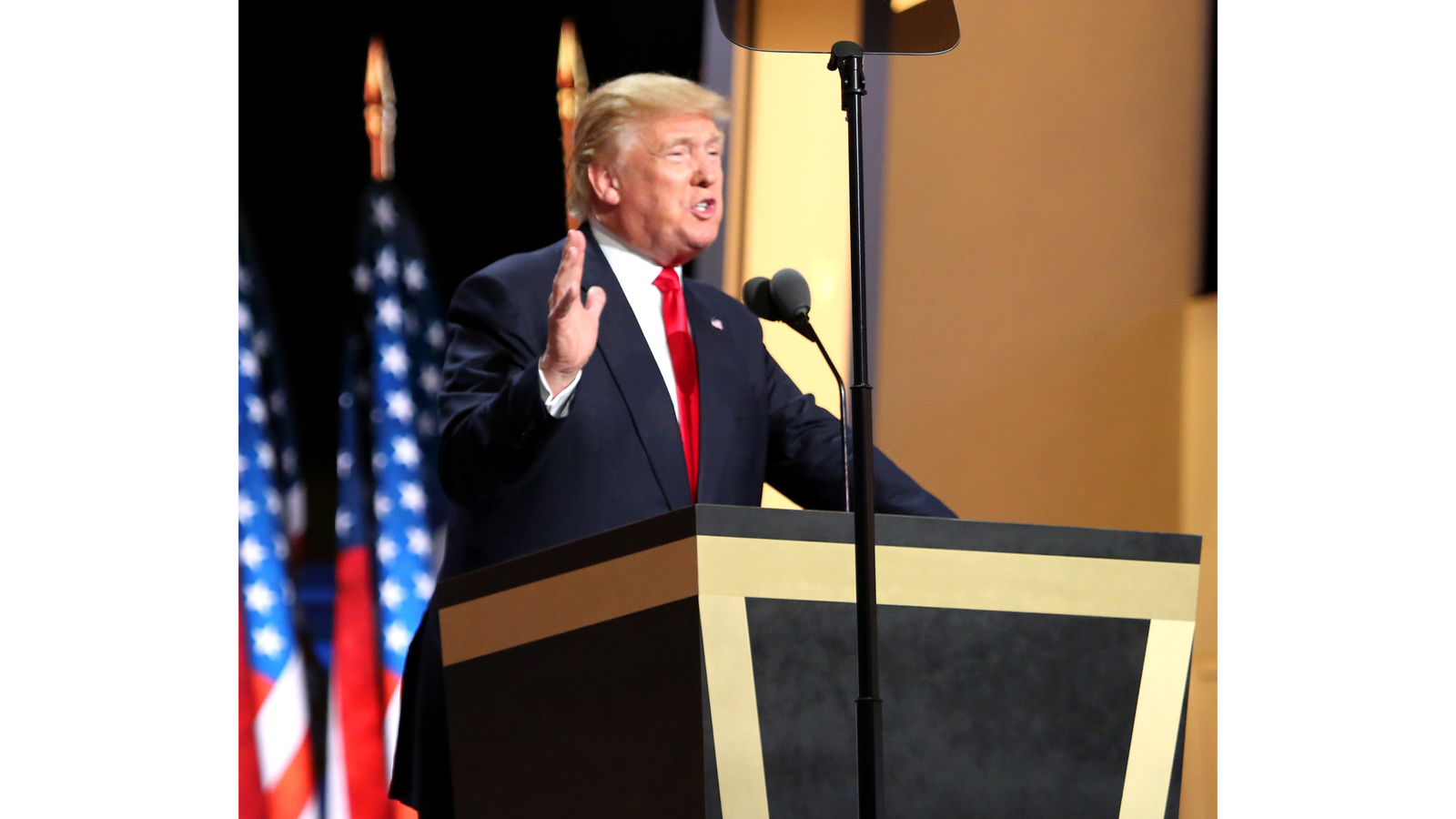
    After hearing the news of his passing, fans mourned the loss of their beloved filmmaker across social media platforms. Many highlighted his off-screen wit and humility. His fellow filmmakers, co-stars and politicians across generations also expressed their grief online. President Trump wrote in a social media post on Monday morning that Reiner’s death was “reportedly due to the anger he caused by others through his massive, unyielding, and incurable affliction … known as TRUMP DERANGEMENT SYNDROME.” Many criticised Trump for his insensitive comment. New Girl co-star Zooey Deschanel wrote, “I cherish the time we spent working together and the many films he made that have shaped who I am”. Many of Reiner’s friends were seen at his place just a few hours after his death, including stars like Larry David and Bill Crystal, reportedly in tears. The passing of Rob Reiner marks the end of an era in Hollywood, as it was rare in Hollywood to find a filmmaker who mastered almost every genre of film.

  • Messi in India: Kolkata Visit Cut Short as Chaos Unfurls

    Messi in India: Kolkata Visit Cut Short as Chaos Unfurls

    Lionel Messi’s highly anticipated visit to Kolkata on December 13, 2025, as part of his “G.O.A.T India Tour” began with high expectations but ended in disorder and frustration for many fans at the Salt Lake Stadium.

    The Argentina football captain arrived in the city early in the morning alongside Inter Miami teammates Luis Suárez and Rodrigo De Paul to kick off the four-city tour covering Kolkata, Hyderabad, Mumbai and New Delhi. Before the main event at the stadium, Messi’s itinerary included the unveiling of a 70-foot statue in his honour, which he inaugurated remotely from his hotel. He also met with Bollywood actor Shah Rukh Khan and local officials at a separate engagement.

    Expectations were high as tens of thousands of ticket-holding spectators packed into Salt Lake Stadium, many having paid several thousand rupees for the opportunity to see the football icon in person. The event was meant to include a lap around the stadium by Messi, interactions with fans, a few penalty kicks and meet ups with former Indian cricket captain Sourav Ganguly, Shah Rukh Khan and West Bengal Chief Minister Mamata Banerjee all in the span of two hours.

    However, the scheduled programme was disrupted. As Messi entered the stadium, he was surrounded by a large group of VVIPs, officials and security personnel, creating a barrier that left many fans in the stands unable to see him clearly. Within minutes, Messi’s appearance was cut short, with him on the field for only about 20 minutes before being escorted away by security.

    In the aftermath, organisers faced sharp backlash from fans and authorities alike. Police detained the main organiser for questioning, and an investigation was launched into alleged mismanagement, including crowd control failures and misleading expectations around the event’s format. Discussions around ticket refunds were initiated as public pressure mounted. West Bengal Chief Minister Mamata Banerjee responded by issuing an apology to both Messi and the fans, expressing regret that the event did not proceed as intended. Hrishit Bhattacharya, a college student who attended the event said “We were supposed to have a once in a lifetime experience but the politicians and leaders in Bengal made sure that we are deprived of it. If not anything, we do expect a full refund from the concerned authorities.”

    The Kolkata event concluded amid administrative scrutiny and public criticism, with authorities reviewing the arrangements that led to the disruption. While Messi’s tour continued in other cities without disruption, what was intended to celebrate a global football icon instead raised questions around planning, crowd management, and accountability.

  • Tearing down Walls: The Symbolism and Impact of the Berlin Wall

    Tearing down Walls: The Symbolism and Impact of the Berlin Wall

    Walls have a unique way of telling stories. Some are built to protect, others to divide. The Berlin Wall was one of the most infamous barriers in history, a concrete reminder of the ideological conflict that once split the world in two. But it wasn’t just about physical separation; the Berlin Wall stood as a powerful symbol of oppression, control, and the lengths to which a regime would go to maintain power. Its fall in 1989 wasn’t just a relief for Berliners; it became a beacon of hope for the world.

    So, why was this wall built, and why does its fall continue to resonate with us today?

    After World War II, Germany was divided into four zones controlled by the Allies: the United States, the Soviet Union, Britain, and France. Berlin, though deep within the Soviet-controlled zone, was split similarly. The Western part of the city flourished under democracy and capitalism, while the East fell under the iron grip of Soviet communism. This led to a significant contrast in living conditions, and by the late 1950s, East Germans were fleeing to West Berlin, seeking freedom and better opportunities.

    On 13 August 1961, the German Democratic Republic (GDR) sealed the border. Berliners on both sides watched in shock as barbed wire fences went up, soon replaced by concrete, steel, and watchtowers. In a matter of hours, families, neighbours, and friends were torn apart. What had been a single city now felt like two different worlds.

    This wall wasn’t just bricks and mortar but a painful reminder of the ideological battle between East and West. The Berlin Wall quickly became the physical embodiment of the Cold War, a war fought not with guns and tanks but with ideas, policies, and propaganda. On one side stood the promise of freedom and opportunity; on the other, oppression and control.

    For East Germans, the Wall became a prison. It represented everything they were denied: freedom to travel, freedom of speech, freedom to live the life they wanted. Trying to cross the Wall meant risking your life. Over 140 people were killed while attempting to escape. Their desperate actions were a testament to how unbearable life behind the Wall could be. Yet, for the people of West Berlin, the Wall became a canvas. The grim, grey concrete on the Western side was soon covered with graffiti, murals, and messages of hope, defiance, and protest. While East Berliners saw only the cold reality of their confinement, West Berliners used the Wall to express their belief in freedom, resistance, and the fight for a better future. By 1989, the gaps in the Eastern Bloc were starting to show. Across Eastern Europe, people were demanding change. Protests spread, and the calls for freedom grew louder in East Germany. The pivotal moment came during a routine press conference on the evening of November 9, 1989. Günter Schabowski, a senior official in the East German government, was tasked with announcing new travel regulations that would ease the movement of East Germans to the West. However, there was one problem: Schabowski had not been fully briefed on the details.


    Photo Credits: Roland Blunck/ IStock Photo
    Holding a piece of paper that outlined the new policy, Schabowski read aloud that East Germans would be allowed to apply for visas to travel abroad “without meeting the usual conditions.” The plan was for these changes to take effect the next day, allowing the government time to prepare and manage the flow of people.

    But then, a journalist in the audience asked a crucial question: “When does this take effect?” Schabowski, clearly flustered and unsure, glanced at his notes and muttered, “As far as I know, it takes effect immediately, without delay.”

    Those words triggered a chain reaction, sending thousands of East Berliners rushing to the border crossings. Overwhelmed and confused, the guards, who hadn’t been briefed on handling the situation, decided to let people through. This unexpected decision led to the joyous scenes of Berliners tearing down the Wall, symbolising the collapse of the Cold War’s most iconic barrier.

    The fall of the Berlin Wall was more than just the end of a physical divide; it marked the collapse of an ideological wall that had kept people apart for nearly 30 years. Its sudden, almost accidental dismantling became a symbol of human resilience, the triumph of freedom over oppression, and the power of unity. The Wall may have stood as a stark reminder of what can happen when division is allowed to reign, but its fall became a beacon of hope, showing the world that no matter how strong the barriers seem, they can be torn down.

    After the Berlin Wall was dismantled in 1989, pieces of it were distributed around the world as symbols of freedom and unity. Notable locations include the East Side Gallery and Berlin Wall Memorial in Berlin and the Wall Along Wilshire in Los Angeles, which is the longest segment outside Germany. Other pieces are displayed at the Imperial War Museum in London, the Vatican Gardens, the War Memorial of Korea in Seoul, Nelson Mandela Square in Johannesburg, Europapark in Madrid, and outside the United Nations Headquarters in New York City. These pieces continue to remind us of the triumph of freedom over division.

    A piece of the Berlin Wall is located in an unusual place: a men’s restroom in Las Vegas. Specifically, it can be found at the Main Street Station Hotel and Casino. The wall fragment is installed behind glass in the bathroom. This quirky and unexpected display has become a tourist attraction, allowing visitors to view and touch a piece of history in one of the most unlikely settings.

  • Paramount’s hostile bid for WB Against Netflix

    Paramount’s hostile bid for WB Against Netflix

    In December 2025, the international media community was left reeling by a corporate showdown: Paramount Skydance made a hostile takeover bid for Warner Bros. Discovery (WBD mere days after Netflix struck a deal for key Warner assets.

    This hostile bid added even more to what promised to be one of the biggest media deals of the last decade. It was no less than a challenge to Netflix’s acquisition of the studios and streaming divisions of Warner Bros., which Paramount was also pursuing, as it essentially turned what could have been a negotiated acquisition into more of a high-stakes company showdown between the parties.

    Background: Netflix’s Agreement with Warner Bros.
    Earlier in December, Netflix reached an agreement with Warner Bros. Discovery for the acquisition of its production house, including Warner Bros. film production houses, as well as HBO/HBO Max and other intellectual properties such as Harry Potter, DC Comics, and Game of Thrones. This acquisition was approximately $82.7 billion.
    However, this acquisition excluded Warner’s cable and news divisions, including properties such as CNN, TNT, and TBS, which WBD intends to spin off into a new company as a result of its acquisition of Warner Bros. Discovery.

    Paramount’s Hostile Takeover Offer
    On 8 December 2025, Paramount Skydance, the result of the merger between Paramount Global and Skydance Media, initiated an unsolicited, hostile takeover bid for the entirety of Warner Bros. Discovery. This proposal consisted of $30 per share in cash, amounting to approximately $108.4 billion in enterprise value, exceeding Netflix’s cash bid for the purchase of WBD by more than $18 billion. This is characteristic of an unsolicited takeover bid, as it is submitted directly to the company’s shareholders, rather than being approved by the board of directors.

    It also involved support from key investors, including the Ellison family and RedBird Capital, as well as sovereign funds from the Middle East. Additionally, it involved significant debt financing commitments from Bank of America, Citigroup, and Apollo Global Management.
    Contrary to Netflix’s more complex plan, which involved separating its linear cable assets, as seen with Warner, Paramount took a more direct approach that was potentially more appealing to investors seeking clarity. This is also a reflection of Paramount’s long-term plan to ensure that it remains relevant in a market where mid-size production companies face challenges in keeping up with the likes of global streamers.

    Why Paramount’s Approach is ‘Hostile’
    A hostile takeover occurs when a bidder acquires control of a target company without the target’s management’s consent. In this respect, it is worth noting that the board of Warner Bros. Discovery expressed support for Netflix’s proposal. Paramount argued that the sales process was tilted in favour of Netflix, and as such, it recommended that the WBD board consider its better offer, which was an all-cash bid. The management of Paramount, led by David Ellison, appealed to investors to shift their loyalty.

    Industry and Political Implications
    This was not a purely financial battle- it was steeped in strategic as well as political undertones. Already, antitrust lawyers in the U.S. as well as other jurisdictions are scrutinising the Netflix takeover for potential antitrust issues, given its dominance of the streaming market. Paramount argued that its group could encounter less government regulation, which would put it in the same context as other media conglomerates. Politicians, such as former U.S. President Donald Trump, have weighed in on the implications of the Netflix-WBD merger for the media landscape, adding further uncertainty to the discussion.

    Reaction to the announcement in the markets 
    Financial markets reacted swiftly. Netflix shares momentarily fell following Paramount’s bid announcement, indicating that investors were not comfortable with the escalating price tag, as well as the complications entailed in negotiating with Warner Bros. Discovery. On the other hand, shares for Warner rose as the potential for a “bidding war” fueled hopes of reaping a better reward for stakeholders.

    Now the big question is straightforward: Will Paramount be able to convince Warner shareholders to support their bid, or will Netflix make a better offer to save its own deal? Currently, the Warner Bros. Discovery board is aligned with Netflix, making it challenging for Paramount to persuade shareholders without the board’s support.

    Impact on the Streaming Landscape
    Apart from the stock exchange, the battle for Warner Bros. Discovery could also revolutionise the streaming media space itself, where scale is quickly becoming the key to survival. Today, Netflix is far ahead of the competition with over 300 million subscribers globally. Amazon Prime Video is second, followed closely by Disney+ and Hulu. Currently, HBO Max and Discovery+, streaming offerings from Warner Bros. Discovery, rank fourth with a total of approximately 128 million subscribers, while Paramount+ ranks fifth with about 78 million subscribers, according to King.

    When the dust settles, the ultimate owners of Warner Bros. would not only get excellent production facilities, but more importantly, a considerable advantage in the battle for scale in the increasingly consolidating streaming landscape would fall into their laps. However, the possibility of further mergers has raised concerns about political and regulatory implications.

    Those who oppose the acquisition believe that Netflix merging with Warner Media would be too powerful for one group to wield. Massachusetts Senator Elizabeth Warren warned that Netflix’s acquisition of Warner Media could “create one giant media giant with control of almost half of the streaming market.” Netflix is likely to defend itself against these allegations by promoting a more expansive definition of the online streaming industry. As cited by The Guardian, Netflix is expected to argue that services like YouTube, with their massive followings despite differences in their respective business models, should be taken into account when calculating their shares of the respective markets.

    What Comes Next
    However, whether Paramount succeeded with its hostile takeover or was only forced to sweeten the Netflix offer, the situation amidst the streaming wars is revealing a truth that is about to shift into a phase where mergers are no longer optional but structural. The escalating cost of content, declining growth rates of subscribers, and continued governmental regulations are forcing firms into fewer, larger, and more powerful players.
    Whichever company ultimately emerges victorious in this round of bidding, the new owners of Warner Bros. Discovery are poised to play a pivotal role in shaping the future of legendary properties, high-end TV programming, and the global streaming landscape.

  • BMW’s Leadership Change Reflects Europe’s Growing Struggle in the Global EV Race

    BMW’s Leadership Change Reflects Europe’s Growing Struggle in the Global EV Race

    BMW is gearing up for an important shift in its leadership lineup amid one of the most disruptive transformations in the global auto industry over the past decades. Zipse, who has led BMW since 2019, announced that he will leave his post in May 2026. He will be replaced by Milan Nedeljković, the current head of production at the company, which means a change of leadership just as competitive pressure, regulatory scrutiny, and technological changes are at their peak in global markets.

    Strategic Caution in an Accelerating Market
    Zipse’s tenure was marked by turmoil and transition. He was the one who led BMW out of the COVID-19 pandemic, through supply chain disruptions, semiconductor shortages, and the global electric vehicle trend that was becoming stronger by the minute. Under his leadership, BMW maintained its profitability relatively strong compared to many competitors, primarily by continuing to rely on premium internal combustion and hybrid models, rather than diving headlong into full electrification at the expense of margins.

    However, that was the approach of a cautious player, which increasingly met with doubt as the market improved. Chinese car manufacturers, who include BYD, SAIC, and Geely, among others, quickly ramped up their output of electric vehicles, often at a lower price and with a more rapid innovation cycle, while expanding outside their domestic markets. Chinese EV makers have not only gained a firm foothold in their home market but have also started to invade the European market, thus posing a threat to the competitive position of established brands like BMW in terms of price, speed, and technology.

    Electrification, Regulation, and Defensive Industrial Strategy
    To maintain its competitive edge, BMW has already begun expanding its EV portfolio by investing in new platforms, battery technologies, and software capabilities, among other areas. The company is trying to stay competitive. Yet, this strategic change caused internal problems. Zipse was thought to be doubtful about the EV-committed strategy, preferring technological flexibility and a multi-powertrain approach. However, BMW was lobbying for emission targets to be delayed or softened through its lawyers, arguing that “overly rigid regulations could jeopardise industrial competitiveness and lead to job losses in the European auto industry.”

    Operational Execution as Competitive Leverage
    Milan Nedeljković’s hiring suggests a likely shift in focus, rather than a complete strategy overhaul. As the chief of production, Nedeljković has been part of the team that has modernised BMW’s production base, electrified the factories, and reduced operational costs. He is a person with an execution-oriented background, having led the massive scaling of EV production, cost management, and ensuring that BMW not only attains a similar-product tier to Chinese brands but also secures faster production, price control, and supply-chain reliability.

    The replacement of leadership has highlighted a broader reality that the European automotive industry must face. The difficulty of the situation is no longer just a matter of meeting the climate targets set or staying on the safe side of the regulations, but more of an issue of staying alive in such a competitive environment. The innovators’ cycles may be quicker, and thus the margins are more pressed than ever, not to mention that the competition is totally global. The Chinese carmakers are well-positioned, with very well-connected supply chains, significant government support, and battery technology that has been developed through years of practice. This prompts European companies to consider changes in their business models and areas for investment, such as this.

    A Turning Point for BMW and European Automakers
    BMW will be pivotal in a few years. The corporation will still have to juggle regulatory compliance, technological transformation, and shareholders’ expectations, all while defending its stake in the fiercely competitive super premium segment. Zipse’s exit has ushered in a new era, marked by rapid technological advancements, increased scalability, and manufacturing changes. The plan of execution is possibly in the next stage, while it raises the doubt that sufficient industrial capacity has already been realised.

    It remains to be seen whether this will be enough to deter the Chinese from conquering the electric car market. What is no longer in doubt is that BMW’s change of leadership is a signal to the industry that a power shift has occurred. The old tactics, though, can no longer match the electrification, the geopolitics, and the global competition that are reshaping the industry and, consequently, the company.

  • F1 2025: A Season of Shifts and What Awaits in 2026

    F1 2025: A Season of Shifts and What Awaits in 2026

    The 2025 Formula 1 season has come to an end, with Lando Norris securing his first World Drivers’ Championship after a consistent and closely contested campaign. The McLaren driver finished the year with multiple wins and regular podium finishes, allowing him to edge out Max Verstappen in the final round, the Red Bull driver finishing only two points behind in second.

    The season was kickstarted with a celebration of Formula 1’s 75th anniversary, a live event hosted in London’s O2 Arena, where all 10 teams showcased their brand new liveries. For the sport itself, races were sold out months in advance, TV and viewership surged, while social media platforms were gaining popularity. The calendar remained one of the busiest on record, featuring 24 races and several sprint events distributed across various venues across the world.

    The season was dominated by McLaren, where, with an updated car, their mid-2020s rise, which began with incremental upgrades in 2023 and 2024, became a full-fledged championship contention this season. After a season-long battle marked by multiple wins, several shifts in the points lead, and close competition with teammate Oscar Piastri and Max Verstappen, Lando Norris emerged as the title champion. Despite setbacks including collisions, penalties, reliability issues, and a late disqualification in Las Vegas, Norris kept himself in contention through consistent podiums and key victories in Monaco, Austria, Britain, Mexico, and São Paulo. He regained the championship lead in the final phase of the season and ultimately sealed the title with a third-place finish in Abu Dhabi.

    While Norris emerged as the championship leader, Oscar Piastri’s results prompted debate among fans and analysts. Piastri led the standings for the majority of the season before facing a slump in the second half, going from a 34-point lead over Norris to being 25 points behind with two races remaining. Some argued that strategic misalignments and reliability issues hindered Piastri at key moments, leading to claims that McLaren had not fully balanced its support between the two drivers. His struggles also drew mixed opinions on McLaren’s highly adaptable 2025 car playing a decisive role in the championship.

    Max Verstappen mounted a comeback in the final phase after being 104 points behind after the Dutch Grand Prix. A strong run of results across the closing rounds reduced the gap significantly, and he reached the Abu Dhabi season finale just two points behind the championship leader. Verstappen ultimately finished the season as runner-up after falling short in the final race.

    Another notable event was Lewis Hamilton’s first year with Ferrari.  Finishing sixth this year,  inconsistencies in tyre management and pace prevented better performances. Hamilton finished with zero podiums (albeit one sprint win in China), becoming the first new Ferrari driver in 44 years to do so. Nevertheless, Ferrari viewed the season as a foundational step toward stronger performance under the upcoming regulation changes.

    The new regulation rules, set to take effect in the 2026 season, are aimed at making the cars more agile, safer and sustainable while maintaining their competitiveness. The cars will be lighter and smaller (a 30 kg weight reduction), with a redesigned hybrid power unit that increases the role of battery power and incorporates advanced sustainable fuels. Active aerodynamics, including movable front and rear wings, are being introduced to promote closer racing and reduce reliance on the current DRS system.

    In addition to these changes, there will also be a restructure of the teams and also an addition of an 11th team, Cadillac, with veterans Valtteri Bottas and Sergio Perez joining the F1 grid again. Audi will fully take over Sauber, while Arvind Lindblad will join Racing Bulls with Liam Lawson, in place Isack Hadjar who in turn replaces the outgoing Yuki Tsunoda to become teammates with Max Verstappen.

    Overall, the 2025 season delivered a new world champion, highlighted continued growth in Formula 1’s global reach, and marked the closing chapter of the current regulatory era. With teams now shifting focus toward 2026, the coming year is expected to redefine competitive order once again into the next phase of the sport.

  • Sanchar Saathi and The Crisis of Digital Trust

    Sanchar Saathi and The Crisis of Digital Trust

    The Sanchar Saathi app controversy did not erupt because Indians are against cybersecurity or digital safety. It erupted because of something far more basic: a growing unease with the way India introduces digital policies – first imposed, then explained, and questioned only after backlash. Sanchar Saathi is an app developed by the government to help users report telecom fraud, track lost phones, and verify mobile connections; initially, it was framed as a citizen-centric cybersecurity tool. But when the government directed smartphone manufacturers to pre-install the app by default, it raised concerns about whether users would be able to remove it. Privacy advocates began sounding the alarm, opposition parties labelled it as surveillance-adjacent, and ordinary users wondered why such an app on safety would need to be mandatory in the first place. Days later, the government rolled back the directive, making the app voluntary.

    This rapid U-turn is telling, not because this app itself was uniquely problematic, but because it fits into a broader and familiar pattern in India’s digital governance: prioritising policy over privacy.

    When Intent Is Overshadowed by Execution
    Sanchar Saathi addresses a real and pressing problem through state-led digital intervention. There is no doubt that India is encountering cases of telecom fraud, including SIM card misuse and mobile phone snatching. Therefore, providing people with a tracking system for such cases is not only justified but also a necessity. Nevertheless, making the application mandatory ultimately undermined its original intent, as presented.
    The mandatory character, particularly in relation to a government application linked to telecommunication infrastructure, has raised numerous new concerns. There was no clear communication regarding the types of data that would be collected, the duration of data storage, or the person responsible for data usage monitoring. Such uncertainty in communication implied that even if there were justified reasons, it was still perceived as less protective than intrusive.

    A Familiar Pattern in India’s Digital History
    Sanchar Saathi is not an exception. India’s recent digital policy history is marked by instances where scale, speed, and technological ambition often precede safeguards around privacy, consent, and accountability, which are established only after popular resistance or judicial intervention. This reflects a broader governance philosophy in which digital infrastructure is viewed as a fundamentally neutral entity, for which trust will follow implementation rather than necessarily precede it. This pattern is not new and can be seen in earlier initiatives such as Aadhaar, where scale and implementation preceded legal clarity, complicating meaningful consent.

    The Pegasus spyware controversy further deepened this trust deficit. Allegations that sophisticated surveillance tools had been deployed against journalists, opposition leaders, and activists were met not with transparent inquiry but with evasive responses and procedural deflections. Besides the lack of positive affirmations, the government’s reluctance to engage openly keeps reinforcing a belief that the capacities for surveillance operate in a grey area that is not subject to public accountability. In the era of the internet, a lack of communication from the government sends a signal, which in this case is a suspicious and un-reassuring one.

    In this light, it was hard to expect that citizens would ever trust passively a telecom app that was mandatory and undeletable.

    Why Trust Is the Missing Layer
    Sanchar Saathi episode reveals not only a concern about privacy but also a lack of trust. Increasingly, citizens are becoming tech-savvy, and they recognise that data is the new oil. They are aware that telecom metadata – call records, device IDs, and usage patterns -are very private. Any measures that would affect users’ data would not only require strong guarantees and independent reviews but also make the users feel their voices matter.

    Strangely enough, in the wake of the government’s rollback, it seems that the government has identified this sentiment. However, reactive changes in the course of action cannot replace proactive consultations. Reversals do not create trust; instead, trust is nurtured through inclusion, clarity, and restraint.

    Rethinking Digital Governance
    India’s aspirations to become a digital superpower are evident. However, with the development of digital governance also comes the demand for democratic accountability. There should be no mandate for security instruments to receive acceptance; if an application has legitimate value to citizens, they will choose to use it, provided they understand how it functions and what information it collects.

    Sanchar Saathi could become a successful, voluntary, readily transparent, and clearly governed platform. However, the previous experience with the compulsory nature of Sanchar Saathi shows that the way a policy is enacted in Digital Democracy means just as much as why it is passed.

    The message is straightforward and immediate: India possesses both the requisite technology and the desire to implement policy. The gap that India faces and must focus on closing is establishing a Governance Culture that regards Privacy as a key principle rather than an afterthought. Without that change occurring, every Digital initiative will continue to encounter resistance from the public, regardless of intention.