Category: Politics

  • Devakoothu: How women are challenging norms in a male-dominated art form

    Devakoothu: How women are challenging norms in a male-dominated art form

    Amid the wailing sounds of children crying, the shrill kuzhal being played, and the rumbling sound of a chenda, the loud footsteps echo. As the crowd gathers at the Koolom Thayakavu temple in anticipation, a red figure makes her way through the swarm. While she performs in front of the people, Ambujakshi looks majestic; the performance is divine. She is no longer herself; Valliamma, the goddess, has taken over. 

    In the artistically rich state of Kerala, Theyyam is performed predominantly in the North Malabar region. Although Theyyam has been traditionally practised by men since ancient times, there exists one form which is performed solely by women. Devakoothu , performed in the Thekkumbad Kulom temple in the district of Kannur, is based on a myth about a goddess who got lost in the island. 

    Due to a lack of records, the exact period during which the art was developed is unknown, but according to the people, it is believed to be centuries old. 

    Legend has it that devakoothu is rooted in a tale that tells the story of injustice towards a goddess. According to the tale, once, while a group of devathas (goddesses) were walking through devalokam (heaven), they came across an island on earth filled with intoxicating flowers. While the goddesses were making their way through the creepers in search of the flowers, they got lost. All goddesses except one made it out. The trapped godess, who was saved by a villager, prayed to Narada, who took the deity to Koolom. Even after returning to devalokam, her fond experiences on Earth stayed with her. Once in every two years, in the month of Dhanu, she visits the island to meet and bless the people. 

    Among the few women who choose to practice Devakoothu, Ambujakshi of Malayanvalappi is a woman who holds a special place to the people of Thekkumbad. She started performing at the age of 45, after Kattuparambil Lakshmiyamma, who performed the art for almost fourteen years, decided to retire from the stage. Ambujakshi, who was a sweeper at the Post Office, took on the mantle and performed for the first time in 2012. She had to observe a 41-day penance, during which she would wake up early, recite the mantras to evoke the god and practise for the performance. Currently, MV Ambujakshi is the only woman who is practicing the art form. 

    Devakoothu is not merely a spiritual form of expression. Being the only form of theyyam performed by women out of the 456 forms that exists, Devakoothu breaks barriers and challenges the norms set by theyyam itself. The presence of women in male-dominated art forms has been showing a shift in the recent times, and this specific form of art challenges the sanctimony of certain art forms. Women like Ambujakshi being in the forefront, reclaiming their places in the cultural forms, gives a reminder that women have also been an integral part of it and will continue to be.

  • Legendary Filmmaker Rob Reiner dies at 78

    Legendary Filmmaker Rob Reiner dies at 78

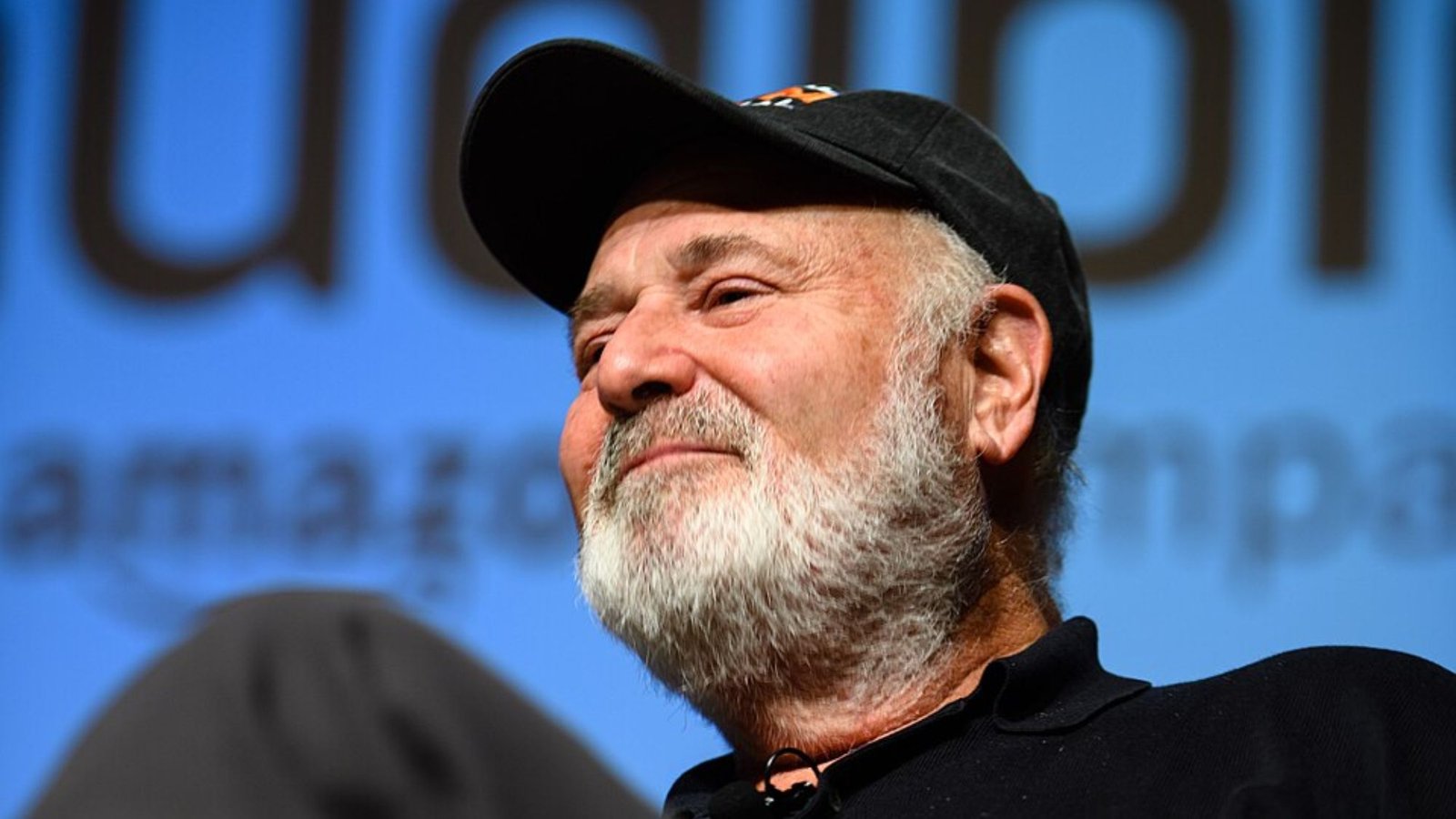
    Rob Reiner, legendary Hollywood director and actor, passed away on Sunday, December 14th 2025, in Los Angeles, California. He was found dead alongside his wife, Michele Singer Reiner, in their Brentwood home. Their son Nick Reiner was taken into custody on suspicion of murder, according to reports. The couple’s bodies were discovered by emergency responders on Sunday afternoon, which led to a homicide investigation.

    On Saturday evening, December 13th, Rob and Michele Reiner attended a holiday party hosted by popular late-night television host Conan O’Brien. According to reports from family friends, an argument occurred between Reiner and his son during the event, although the reason for the argument remains unclear, they left the event soon after. After the investigation, police arrested Nick Reiner, their son; his bail was initially set at $4 million but was later revoked. As of 17th December, Nick is still in custody.

    Born Robert Norman Reiner, Reiner grew up in show business as his father was an actor and comedy legend, Carl Reiner. One of Reiner’s most prominent initial roles was as “Meathead” in the sitcom All in the Family, which went on to make him a household name. His directorial films that followed went on to change Hollywood. Between 1984 and 1992, Reiner directed iconic films such as This is Spinal Tap, Stand by Me, The Princess Bride, and When Harry Met Sally, among other hit films. Comedy, coming-of-age, fantasy, rom-coms and even courtroom dramas are just some of the genres Reiner mastered in his films.  Reiner famously said in many of his interviews that he believed in characters more than concepts.

    Well into his career, Reiner continued to remain active both behind and in front of the camera. He directed Being Charlie in 2015, a semiautobiographical drama about addiction and recovery, written by his son Nick Reiner, on whom the story was reportedly based. Reiner also directed the HBO political biopic LBJ (2016), starring Woody Harrelson. In recent years, he also played supporting characters in shows and movies like New Girl, The Wolf of Wall Street, The Newsroom, etc. These projects reflected his late-career focus on politics, media, and institutional power, as Reiner was less interested in a stage career and more interested in stories that explored power, leadership, and politics.

    Beyond his career, Reiner was an outspoken activist. In the 1990s, Reiner became an advocate for public health and educational reform. He co-founded the I Am Your Child Foundation, the American Foundation for Equal Rights, and several other organisations aimed at expanding access to nutrition, healthcare, and early learning, often funding research himself.

    After hearing the news of his passing, fans mourned the loss of their beloved filmmaker across social media platforms. Many highlighted his off-screen wit and humility. His fellow filmmakers, co-stars and politicians across generations also expressed their grief online. President Trump wrote in a social media post on Monday morning that Reiner’s death was “reportedly due to the anger he caused by others through his massive, unyielding, and incurable affliction … known as TRUMP DERANGEMENT SYNDROME.” Many criticised Trump for his insensitive comment. New Girl co-star Zooey Deschanel wrote, “I cherish the time we spent working together and the many films he made that have shaped who I am”. Many of Reiner’s friends were seen at his place just a few hours after his death, including stars like Larry David and Bill Crystal, reportedly in tears. The passing of Rob Reiner marks the end of an era in Hollywood, as it was rare in Hollywood to find a filmmaker who mastered almost every genre of film.

  • Countries Debate Fossil-Fuel Future at COP30; India pushes for Fair Transition Plan

    Countries Debate Fossil-Fuel Future at COP30; India pushes for Fair Transition Plan

    Fossil Fuel Debate Dominates COP30

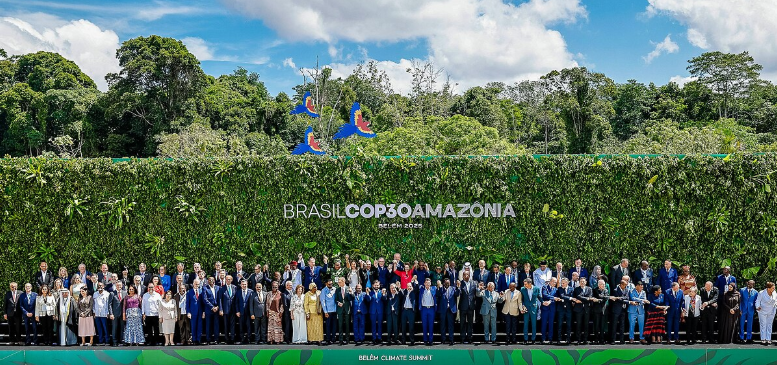
    The 2025 United Nations Climate Change Conference (COP30) took place in Belém, Brazil, from 10 to 21 November, bringing together delegates from nearly 200 countries. The summit shed light on the transition away from fossil fuels, climate finance, and strategies addressing these issues. The gathering set the stage for a round of negotiations closely observed by policymakers, scientific institutions, and environmental groups worldwide.

    A central point of debate at COP30 revolved around the future of fossil fuels. More than eighty countries pushed for an official, time-bound roadmap for the sustainable reduction of coal, gas, and oil use, which was unprecedented within the framework of the COP. The demand signalled a global shift toward directly confronting fossil fuel dependency and exploring alternatives, rather than relying on a broad mitigation aim.

    However, after days of intense discussions, the final UNFCCC text did not include any explicit language mandating fossil fuel phase-out. To prevent the negotiations from stalling, the Brazilian COP presidency introduced two voluntary roadmaps: one outlining a “just, orderly and equitable” energy transition, and the other centred on reversing global deforestation. Although these roadmaps lack legal enforcement, they are regarded as important political signals that shape the direction of future global climate governance.

    Climate Finance and Broader Action 

    Delegates also discussed the “Baku-to-Belém Climate Finance Roadmap,” which aims to scale global climate finance to approximately USD 1.3 trillion annually by 2035. The proposal covers funding for mitigation actions, adaptation programs, and support for loss and damage mechanisms in vulnerable regions.

    Developing nations raised concerns over the absence of specific commitments outlining how this financial burden would be shared. India and several other countries emphasised the need for predictable, concessional and equitable financial flows from developed economies, arguing that ambitious climate action cannot proceed without clear financing frameworks.

    Notable progress was made in the domain of climate adaptation. COP30 finalised a set of 59 global indicators designed to track how effectively nations are preparing for climate-related risks such as flooding, drought, sea-level rise, and ecological loss.

    Extreme heat and sustainable cooling technologies emerged as a major point of discussion. Delegates adopted the Belém Communiqué on extreme heat, which calls for coordinated action across public health, infrastructure, and the energy industry.  Technology continued to play a key role in climate solutions. The expansion of the 3DEN (Digital Demand-Driven Electricity Networks) initiative was announced, which aims to reach seven African countries and Brazil, building on the progress made in its introduction at COP26 in 2021.

    The programme aims to modernise electricity grids using smart digital tools, such as artificial intelligence and smart meters. This expansion is expected to enhance energy efficiency, facilitate the integration of renewable energy, and mitigate grid instability in smaller and developing  countries.

    Outside the negotiation halls, thousands of protesters gathered, led by Indigenous communities from the Amazon, raising concerns over rising deforestation, burning of fossil fuels and land rights. A symbolic “funeral for fossil fuels” was held during one of the marches, drawing significant international attention and heightening pressure on negotiators.

    India’s Stance in COP30

    India maintained a firm stand on equity and climate justice throughout the summit, emphasising that any global transition away from fossil fuels must reflect the principle of common but differentiated responsibilities.

    Indian representatives argued that developed nations, given their historical emissions and greater financial capacity, must take the lead in deep decarbonisation while extending financial and technological support to developing economies. India did not support the push for a prescriptive fossil fuel roadmap, stating such commitments could restrict the developmental needs of emerging economies. India also called for clearer and long-term financial assurances, as well as recognition of Global South priorities, within the final COP30 outcomes.

    Overall, COP30 concluded with nations taking steps to tackle climate change through key outcomes, including the adoption of 59 global adaptation indicators, the expansion of the 3DEN digital electricity networks, the Belém Communiqué on extreme heat and voluntary roadmaps for a just and equitable energy transition. Attention now turns to COP31 in Turkiye in 2026, where nations will continue discussions on global climate action.

  • From New York to Oval Office: Zohran Mamdani’s Mandate Meets Trump’s America

    From New York to Oval Office: Zohran Mamdani’s Mandate Meets Trump’s America

    On November 4, 2025, 34-year-old Zohran Mamdani clinched the New York City Mayoral race, securing a decisive victory in one of the most closely watched contests of the year. Running on the vision centred on affordability, public transport reforms, and workers’ rights, Mamdani won by a clear margin, defeating incumbent Mayor Eric Adams, Independent Candidate Andrew Cuomo, and Republican Candidate Curtis Sliwa.

    His win was driven by strong support from young voters, renters, immigrant communities, and first-time voters. Mamdani’s win marked a turning point in the city’s political landscape. His victory was historic not only because he is the first Muslim and first South Asian to hold the office, but also because his campaign centred on a bold, unapologetically progressive, socialist economic agenda.

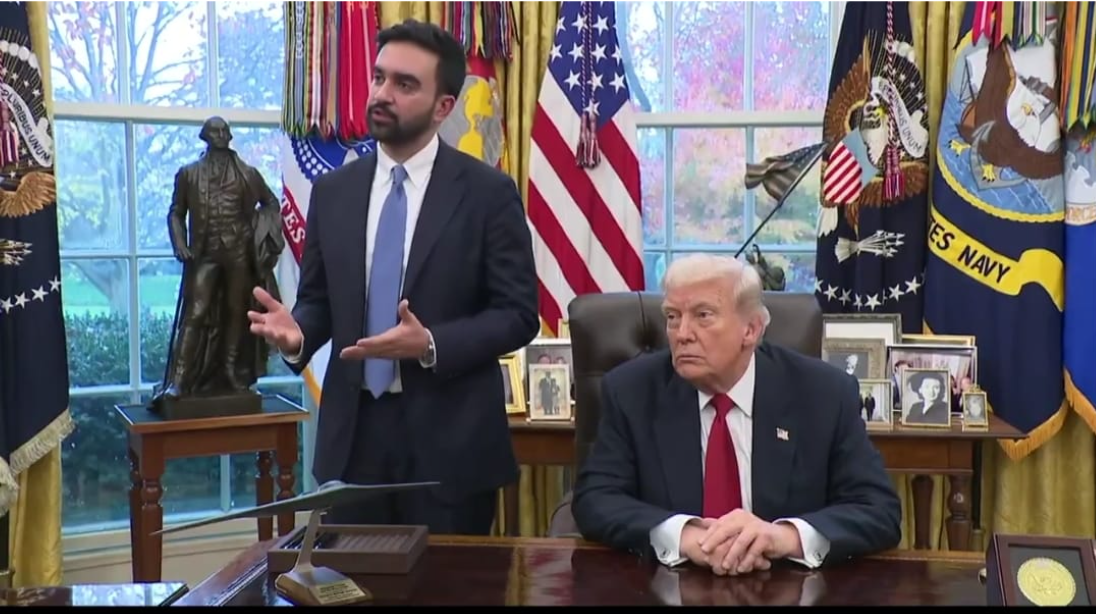
    Only days after taking over the office, President Donald Trump announced on his Truth Social Platform that the two would meet at the White House. In the post, Trump referred to Mamdani as the “Communist Mayor of New York City, and said the meeting would take place in the Oval Office on Friday, November 21st.

    After Mamdani’s victory, it was clear that there was a rise in a new form of governance that prioritises social welfare, affordability, and community-focused investment. However, the meeting with Trump brought an unexpected twist. On paper, the two politicians stand at opposite ends of the ideological spectrum. Mamdani is known for his democratic-socialist leanings, vocal support for tenants’ rights, and city-first social spending vision. Trump, meanwhile, has built his platform around conservative populism, stricter immigration policies, and a law-and-order approach to city governance. Their interaction stood out precisely because of this contrast, critics say.

    The meeting with Trump, rather than overshadowing the shift of a new political wave, only sharpened its contrast. It placed the newly elected mayor’s ambitions against the broader backdrop of national politics, dominated by republicans and their conservative narratives.

    Press conference followed by their meeting. “We spoke about rent, we spoke about groceries, we spoke about utilities. We spoke about the different ways in which people are being pushed out. And I appreciated the time with the president. I appreciated the conversation. I look forward to working together to deliver that affordability for New Yorkers,” Mamdani said. Trump, in agreement with Mamdani, said, “We had some interesting conversation, and some of his ideas are really the same ideas that I have. But a big thing is the cost. You know, the new word is ‘affordability.’ Another word is just ‘groceries.’ It’s sort of an old-fashioned word, but it’s very accurate. And they’re coming down,” he said.

    At the press conference, both Trump and Mamdani were met with difficult questions by the journalists. Mamdani was asked about his earlier  “Fascist” remark about Trump. Before Mamdani could respond, Trump answered the question himself, saying,  “That’s OK, you can just say yes, OK? It’s easier. It’s easier than explaining it, I don’t mind.” The exchange was widely circulated on social media.

    As Mamdani takes over the office, it will be interesting to see his ambitious promises put into action while navigating the pressure from both supporters and critics. His early decisions will show whether he can maintain the popularity of his historic win and deliver concrete change for the communities that propelled his rise. At the same time, the political drama surrounding his meeting with Trump indicates that New York may become a defining battleground for competing visions of America’s political future, one rooted in inclusion and socialism, and the other in traditional conservative frameworks.

  • Inside Haryana’s Vote Chori Allegations: Democracy Under Question

    Inside Haryana’s Vote Chori Allegations: Democracy Under Question

    The forthcoming 2024 Haryana Assembly elections have gained national media attention following allegations of mass-scale discrepancies in the state’s electoral rolls, which were taken up publicly by Rahul Gandhi in November 2025. He claimed that nearly 25 lakh entries in the voter database could be duplicated, incorrect, or fraudulent, calling into question the integrity of the roll revision process.

    Claims of Duplicate and Erroneous Entries

    During a major press conference on 5th November in New Delhi, Rahul Gandhi claimed that as much as 12.5% of Haryana’s registered voters may be fake or duplicate. Continuing with what he termed “The H Files,” he cited an example involving a stock photograph of a Brazilian model which he said appeared on 22 different voter identity cards across different constituencies and under various Indian names like “Seema,” “Sweety,” and “Saraswati,” among others.

    According to his claims, some anomalies in the voter list included duplicate voters, invalid addresses, bulk-entered names, and non-existent house numbers. He indicated that in several cases, multiple registrations seemed to match the same photograph, which he said was evidence of a deliberate attempt at manipulation.

    Response from Authorities and Political Rebuttals

    The allegations immediately brought reactions from the electoral authorities and government-aligned political actors. The Election Commission of India (ECI) publicly denied the charges, asking why objections were not raised by polling agents during the roll revision process itself if such widespread anomalies did exist, and claiming that the allegations did not have any procedural grounds.

    The ruling Bharatiya Janata Party, or BJP, and leaders of the state government dubbed the allegations as political drama. The Chief Minister of Haryana dismissed the allegations and accused Rahul Gandhi of seeking headlines to mislead public discourse.

    Nevertheless a number of past and current opposition members have stated that the evidence shown was significant and warranted forensic examination.

    So far, the ECI has acknowledged receipt of complaints about roll-list irregularities but has not issued a comprehensive public report assessing the validity or scale of the alleged fraud.

    Ground-Level Fallout, Public Reactions, and Mobilisation

    The accusations have spilled out of the high levels of politics and into protests and public outcry. In Kaithal, marches of opposition supporters called for a full audit of the voter rolls and the restoration of voters they say were removed. In Jind, protests erupted with people chanting slogans against what protesters said was “vote theft.”

    The woman whose photograph was most repeatedly used –the Brazilian model Larissa Nery – finally spoke to the media as the controversy unfolded, referring to the misuse of her image as “madness” or “craziness.” She spoke about her disbelief and shock that an old photograph of herself had surfaced on voter-ID cards in a foreign country.

    The widespread dissemination of the photo and associated claims through social media, combined with calls for transparency and audits, has led to a wider national debate over voter-roll maintenance, data integrity, and the transparency of election administration.

    Administrative Context and Wider Ramifications

    The digitization of the voter registration and verification system in India began a decade ago. Switching to digital electoral rolls and their linkage or possible linkage with national identity databases was supposed to enhance accuracy and strengthen identity verification. Critics now argue that rapid revisions of the rolls, bulk updates, and lack of strict audits may have brought in new vulnerabilities.

    The controversy erupts during the Special Intensive Revision, SIR, of the electoral rolls in many states during 2025, a process opponents contend has increased the risks of voter deletion or manipulation.

    The scale of the allegations and the demographic scope-every constituency in Haryana-suggests that what was once characterised as mere isolated anomalies could now be perceived as systemic. There is a greater drive for transparency: civil society groups, opposition parties, and large sections of the public are demanding that the ECI publish booth-wise data, make available facilities for independent audits, and explain publicly the process of revision and verification of rolls.

    What Comes Next 

    As of late November 2025, no conclusive public audit or official conclusion has been provided. The absence of details from the ECI has heightened demands for transparency. Opposition figures caution that if the procedure is not transparent and auditable all future elections be it, in Haryana or elsewhere could be considered dubious. The dispute stays unsettled until official results are announced. Whether it leads to corrective action, legal challenges, or institutional reforms, its outcome is likely to shape public trust in India’s electoral process, not only in Haryana but across the country.

  • Sudan at the Brink: The RSF’s Takeover of El-Fasher and the Escalating Humanitarian Crisis

    Sudan at the Brink: The RSF’s Takeover of El-Fasher and the Escalating Humanitarian Crisis

    Sudan’s last army stronghold in Darfur falls to the RSF

    In the wee hours of October 26, the Rapid Support Forces (RSF), led by General Mohamed Hamdan Dagalo, better known as Hemedti, seized control of El-Fasher, the last remaining stronghold of the Sudanese Armed Forces (SAF) in North Darfur, Sudan. With this victory, the RSF has now gained complete control of the region, thus splitting Sudan into eastern and western halves.

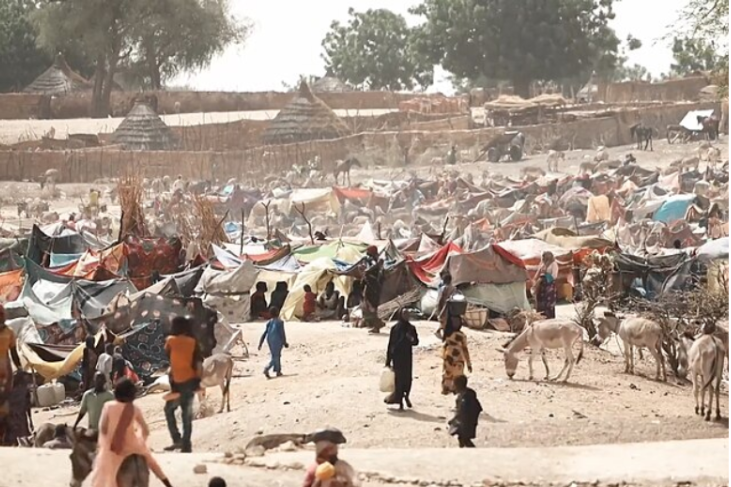
    A humanitarian crisis is unfolding in Africa’s third-largest country. The RSF has been at war with the Sudanese Armed Forces for the past two-and-a-half years, causing an estimated 40,000 deaths and the displacement of 12 million people, the UN says.

    The Joint Forces, which are allied with the Sudanese military, have stated that the forces of RSF have “executed and killed” at least 2000 unarmed civilians in the city of El-Fasher on 26 and 27 October- most of these civilians were women, children, and the elderly.

    Yale University’s Humanitarian Research Lab (HRL) published a report on October 27, in which they released satellite images captured by the aeronautic company Airbus Defence, which show evidence of mass killings in the city of El-Fasher. The images have captured reddish stains on the ground and clusters of “objects” lying around RSF vehicles, which are believed to be human bodies.

    HRL has concluded that these killings were carried out door-to-door, specifically targeting on the basis of ethnicity. El-Fasher “appears to be in a systematic and intentional process of ethnic cleansing of indigenous non-Arab communities through forced displacement and summary execution,” the Yale researchers say in a report.

    When did the Sudanese Civil War start?

    In October 2021, a joint-military civilian government was established as a result of a coup that was staged to overthrow long-serving President Omar al-Bashir. This government was headed by Hemedti and Gen Abdel Fattah al-Burhan. However, growing tensions over the country’s evolving sociopolitical transition led to a breakdown in their alliance.

    By April 2023, these tensions erupted into overt conflict when clashes broke out between the SAF and RSF in Sudan’s capital, Khartoum, marking the beginning of Sudan’s currently ongoing civil war.

    The RSF was formed in 2013, and it originates from the notorious Janjaweed militia, which was accused of genocide and ethnic cleansing against Darfur’s non-Arab population.

    What exactly is happening in Sudan right now?

    In June of this year, the RSF captured the territory along Sudan’s borders with Libya and Egypt. Now that they have seized El-Fasher as well, this means that they have control over almost all of Darfur and its neighbour, Kordofan.

    Many videos released by RSF soldiers themselves are currently circulating on the internet. The videos – which have been authenticated by the SAF – show fighters shooting unarmed civilians at point-blank range.

    Earlier this week, satellite imagery confirmed that the RSF killed civilians who tried to flee the city near the earthen wall, which was constructed by the RSF to encircle and isolate the city, effectively besieging it.

    A woman recounted to Reuters how she and others were stopped at the earthen barrier where the men were separated from women.”They lined the men up, they said, ‘We want the soldiers,’ When none of the men raised their hands, an RSF fighter picked out some of them who were beaten and killed,” she said. “They shot them in front of us, they shot them in the street.”

    How is the world responding?

    Widespread reports of ‘ethnic cleansing’ conducted by the RSF have prompted the UK, which is the official penholder on Sudan, to call for an emergency session of the UN Security Council in New York on Thursday. Activists from all over the world are urging pressure on the United Arab Emirates, which is widely accused of providing military support to the RSF. The UAE denies this despite evidence presented in UN reports and international media investigations.

    “The situation is simply horrifying,” Martha Ama Akyaa Pobee, the assistant secretary general of the UN for Africa, said during the emergency session.

    Across Sudan, nearly 24 million people are suffering from acute hunger, with an estimated 600,000 on the brink of famine. The RSF and its allied forces have been accused of widespread sexual violence against women, including rape, gang rape, forced marriage, and sexual slavery, in addition to the mass killings of more than 17,000 people.

    The fall of El-Fasher marks a turning point, not only in Sudanese history but also in the context of a disturbing global humanitarian tragedy. Despite mounting international concern, global action has remained largely limited to statements and diplomacy. Without decisive intervention, analysts warn that Sudan could descend into a full-scale famine and ethnic cleansing crisis, leaving millions trapped between starvation and violence.

  • H-1B Overhaul: White House Announces $100,000 Fee for New Applicants

    H-1B Overhaul: White House Announces $100,000 Fee for New Applicants

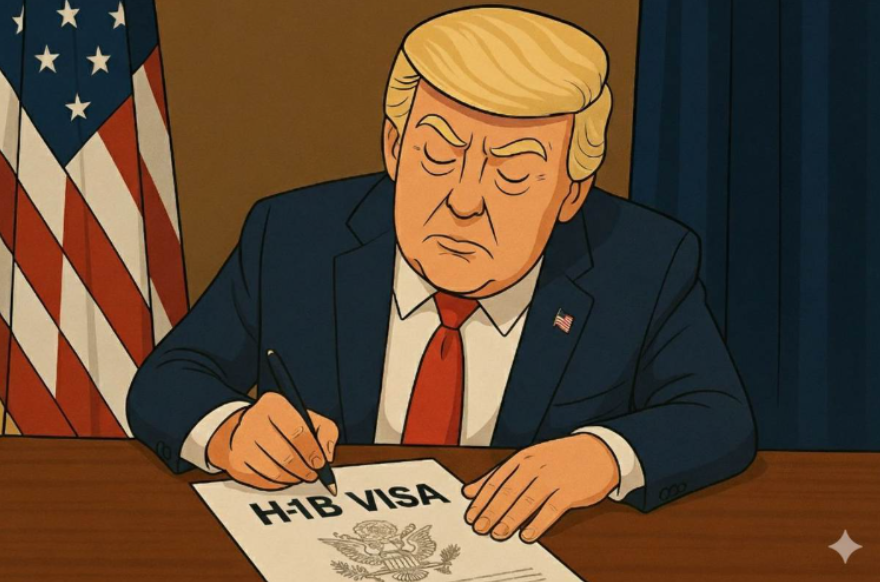
    On September 19, 2025, the White House announced in Washington, D.C. that all new H-1B visa applications will now carry a $100,000 fee – a move introduced through a presidential proclamation by President Donald Trump. This change, set to take effect on September 21, applies only to new petitions and has already sparked legal challenges, industry backlash, and urgent warnings from major tech firms.

    The new $100,000 fee will be charged on petitions received after September 21, 2025. Important to note, it will not get charged on:
    • Petitions filed prior to that date
    • Current H-1B visa holders
    • Extensions or renewals in valid H-1B status

    Authorising bodies such as USCIS, CBP, and the State Department acted hastily to make sure that the change would become effective prospectively only. Nevertheless, questions abound regarding specifics such as when and how the fee will become due upon filing, upon issuance of visas or upon arrival in the U.S.

    The Ripple Effect: How the $100K Fee Will Reshape Work and Innovation
    For large technology firms, $100,000 per new recruit is anything but small change. These fees would quickly mount up for companies that employ many H‑1B visa workers, much less so, including the other fee costs, as well as compliance expenditures. Startups, which live on thin margins, face an even tougher choice: employ offshore at a higher cost, or don’t hire.

    Proponents of the change believe the H‑1B system has been misused to crush wages as well as treat American workers unfairly. By introducing this high fee, the government hopes to prevent over-reliance on offshore labour and incentivise firms to focus on domestic hiring. Critics, on the other hand, view it as a political move rather than a pragmatic fix.
    America long drew some of the brightest minds on the planet. That pipeline is now critically disrupted. If firms hold back on sponsorship, high-skilled workers will instead look to Canada, Europe, or even Asia, where the cost of immigration is cheaper.

    The urgency of the change was underscored when major tech giants, including Amazon, Google, and Microsoft, urged their employees abroad to return to the U.S. quickly before restrictions tightened. The move reflects widespread concern over the possibility of more restrictive measures at ports of entry.
    On the legal front, California has already announced plans to sue, arguing that such sweeping measures fall within Congress’s authority, not the executive’s. Should the courts agree, the proclamation could be overturned or narrowed, though any resolution is likely months away.
    Another fundamental aspect is the “national interest exemption.” Some employees or industrial inputs deemed indispensable, like healthcare, national defence, or industries suffering shortages, could receive exceptions, although eligibility rules are not defined yet.

    Reactions Across the Board: Industry, States, and Advocacy Groups Speak Out
    The introduction of the $100,000 H‑1B fee evoked immediate and vehement reactions from all stakeholders. The technology sector, highly reliant on international talent, was apprehensive. Major corporations like Amazon, Google, and Microsoft cautioned that they would have to rethink hiring plans and reassess operations. Some will already ponder covering the cost for essential recruits, and others will reduce H‑1B sponsorship or even offshore projects in order to sidestep the cost.

    State governments, and particularly California, reacted to the fee directly as a threat to their economies. With Silicon Valley located in it and possessing a large concentration of high‑tech industries, California policymakers argued that the policy would strangle innovation and harm the competitiveness of the state. The state already signalled it would litigate the policy in court legally and made the question partly one not only of economics but also of constitutionality.

    Advocacy groups for immigrants reacted with concern, cautioning that it would deter highly skilled workers from coming at all. They contended that American leadership in technology, research, and healthcare relies upon luring international talent, and such a hefty fee would adversely affect them. Several advocacy groups also mentioned the larger human cost, referencing personal and professional dislocation it would create among employees who would move to the U.S., and U.S. lawmakers offered contradictory responses. A number of Republican and Democratic senators professed concern about protecting American jobs, while others urged America to stay ahead in scientific and technological competitiveness. Both lawmakers and corporations have already urged congressional examination of the proclamation, and some have encouraged corporations to reveal more about how they will change.

    In reality, the answer is one of shared recognition: this is not about changing immigration policy; it’s a decision whose consequences are profound for the American economy.

    Navigating the Unknown: Key Issues in the New H-1B Era
    The dust is far from settled on the $100,000 H‑1B fee, and countless questions are unanswered. One of the most immediate concerns is how it will work: will it be collected at the time of filing the petition, upon approval of the visa, or upon entering the United States?

    Another big unknown is how sweeping exemptions will be, although the proclamation allows for “national interest” exceptions, it is not at all clear what industries or professions will qualify. Will doctors, scientists, or teachers qualify for exemptions?

    Another unknown is how long the rule will last; although initially set to last for 12 months, extensions are likely and could prolong its impact. Finally, global ripple effects are unknown. India and China, nations that supply many H‑1B skilled workers, will likely alter migration plans, and American corporations will consider opening international branches to avoid hurdles altogether. These unanswered questions ensure that the coming months will loom large in determining what will become of the H‑1B program.

    A Balancing Act Between Protection and Progress
    There is public pressure to protect American workers, prevent wage suppression, and regulate H‑1B program abuses. On the other hand, America values maintaining its global innovation edge by attracting top talent from abroad.

    Experts warn that drastically reducing H‑1B employment could harm economic growth, especially in high-tech sectors facing shortages, and disrupt innovation pipelines affecting long-term competitiveness. Ironically, some companies might offshore more jobs, reducing opportunities for American workers and undermining the goal of protecting domestic employment.

    The coming months will reveal if this move manages to zero in on American workers or if it incidentally resculpts the global talent pool against America’s interests. If the charge remains as advertised, then we could witness a reduction in foreign-skilled recruitment, with corporations making strategic shifts to reduce expenses, possibly by offshifting operations or R&D. The breadth and use of exemptions will also have a determining influence on which industries will continue to avail themselves of global talent. There will also be legal suits, state resistance, and private sector lobbying that introduces additional variables to create something of an evolutionary tale. At bottom, H‑1B controversies aren’t about immigration policy itself; they’re about America’s future as an engine of innovation, about America’s role in the global economy, about how America balances defending domestic workers with keeping open doors to international excellence. Decisions will help chart that future for generations to come.

  • Protests in Nepal leave 19 dead, Government in Crisis

    Protests in Nepal leave 19 dead, Government in Crisis

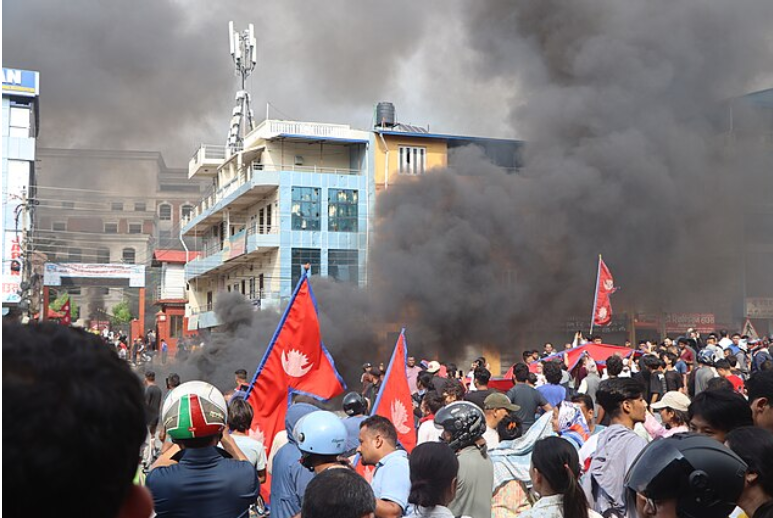
    Nepal has been thrown into turmoil as mass protests are taking place all over the country, leaving at least 19 people dead and the political system in chaos. What began as anger against corruption and political saturation has exploded into one of the most serious crises the nation has faced in decades.

    Public frustration has been building since the early 1990s, when Nepal transitioned into democracy, ending monarchical rule. Citizens accuse the three big parties, the Nepal Congress, CPN-UML, and the CPN Maoist party, of mismanagement and corruption in the democracy. Young Nepalis have been frustrated for years at the lack of jobs; millions have gone to work in neighbouring countries like India, Malaysia and South Korea. Anger reached a breaking point after the government attempted to ban social media, sparking outrage among young people.

    The Government of Nepal, on September 4, issued a directive banning Facebook, Instagram, Reddit, X and 36 other social media apps, citing their failure to meet the deadline to comply with registration requirements to operate in Nepal. The  Nepalese government used this as a reason to ban the apps, which were used by citizens to expose the Children of Politicians, who used the apps to flaunt their lavish lifestyles. Dubbed as “Nepo Babies”, citizens targeted them for using corrupt money to live the life they are living. Protesters rallied behind creative symbols, including the popular anime One Piece pirate flag, which became a surprising emblem of resistance.

    The growing intensity of the protests has forced Prime Minister KP Oli to resign. Protestors entered the parliament after hearing the news of Oli’s resignation, waving their hands and shouting slogans as smoke rose from the building. They painted graffiti on the walls saying “We won”. Following the protests, Kathmandu airport was shut down and is set to resume soon.

    Former Prime Sher Bahadur Deuba, who has held office five times, and Foreign Minister Arzu Rana Deuba were directly targeted by demonstrators. Security forces responded with live fire and smoke bombs, resulting in 19 deaths. However, the army, perceived to be sympathetic to the monarchy and to the public in general, reportedly allowed protesters to attack political offices without much intervention. The CPN-Maoist leadership blamed Sher Bahadur Deuba for fueling the unrest.

    The crises have left the political system in disarray. The Rashtriya Swatantra Party (RSP), formed in the last general election out of public frustration, and the Rashtriya Prajatantra Party (RPP), staged mass resignations in parliament. Discussions about an interim government are in order, with two names coming forward: RSP leader Rabi Lamicchane, previously jailed in a cooperative scam, now freed from jail by protestors, and Kathmandu Mayor Balen Shah. Nepal now faces an uncertain future as it seeks stability amid political crises.

  • Conservative leader Charlie Kirk dies at 31

    Conservative leader Charlie Kirk dies at 31

    Charlie Kirk, a fiercely outspoken conservative activist and co-founder of Turning Point USA, died on 10 September 2025, at the age of 31. He was fatally shot during a speaking event at Utah Valley University, while addressing students as a part of his “American Comeback Tour.”

    Kirk was shot by a 22-year-old, Tyler Robinson. The FBI immediately released images of the suspect and CCTV footage of Robinson on the roof of a nearby building and started a manhunt. Authorities have also pointed out that there were anti-fascist messages on bullet casings in a rifle found near the scene, showcasing potential evidence of a political motive behind the assassination. Robinson was arrested on 12 September in St. George, Utah.

    Kirk’s death shocked the political world and drew swift reactions around the globe. Supporters remembered him as a strong advocate for conservative values and a mentor to students who felt isolated in predominantly liberal institutions. Millions of supporters flooded social media with tributes, while a few critics noted the irony of his death by gunfire, given his strong pro-gun rights stance. US President Donald Trump called him “a great, and even legendary, American” and announced Kirk would be posthumously awarded the Presidential Medal of Freedom.

    Born as Charles James Kirk in 1993 in Illinois, Kirk had a keen interest in politics as a teenager. In 2012, at 18, he co-founded Turning Point USA, an organisation promoting and spreading conservative values on college campuses and bringing young people together behind conservative causes. Over the years, the organisation expanded into dozens of campus chapters and became a central structure for youth outreach in the conservative movement. Kirk also promoted Trump during his 2024 campaign. His appearances on college campuses drew large student crowds, where he talked about free market, abortion, geopolitics, and faith-based values, often debating liberal college students on their stance on various matters.

    Kirk hosted The Charlie Kirk Show, a daily talk show and podcast that reached millions worldwide. He was a strong advocate for Israel, often highlighting the country as a key American ally and a symbol of democracy in the Middle East. He often defended the Second Amendment and voiced concerns about illegal immigration, while being outspoken in his opposition to abortion and considering himself a pro-life supporter. These positions made him a central figure in the broader debates about America’s political and cultural identity. Kirk consistently framed his arguments around the values of faith, family, and freedom on campus, on his podcast, or at national conferences.

    Outside the spotlight, Kirk was married to Erika Frantzve, a podcaster and entrepreneur. The couple welcomed a daughter in 2022 and a son in 2024. Two days after Charlie’s assassination, his wife vowed to continue his movement, including further campus tours, “It will be greater than ever”, Erika said in her first public remark, a video posted on Instagram. Kirk’s funeral will occur on Sunday, 21 September 2025, at State Farm Stadium in Glendale, Arizona.

  • Rising Alliances: India Strengthens Bonds with China and Russia Amid Trade Tensions

    Rising Alliances: India Strengthens Bonds with China and Russia Amid Trade Tensions

    Prime Minister Narendra Modi met with President Xi Jinping on 31 August 2025, on the sidelines of the Summit of the leaders of the Shanghai Cooperation Organisation (SCO) in Tianjin. This event marked PM Modi’s first visit to China after 7 years and was a crucial diplomatic moment for India and China following years of tension.

    At the SCO summit, the two leaders expressed commitment to a fair, reasonable, and mutually acceptable resolution of boundary-related concerns that have plagued India-China relations for almost half a decade. According to a statement by the commerce ministry released on Sunday, India emphasised on the fact that “export-related measures should not be weaponised or misused to create artificial scarcity, distort markets, or disrupt supply chains, and emphasised that their calibrated and transparent use is essential to maintain trust in international commerce”.

    At the meeting, India also called for action towards ensuring greater market access and enhancing trade facilitation between the two countries. These concerns are relevant because as of late, India’s automobile and electronic industries have faced major disruptions due to China’s steep export restrictions on rare earth magnets and fertilisers. According to PTI, India’s trade deficit with China has widened to nearly $100 billion in 2024-25.

    However, India and China recorded a positive bilateral outcome in August, when visiting Chinese Foreign Minister Wang Yi assured External Affairs Minister S Jaishankar that his country will resume the supply of fertilisers as well as rare earth minerals. However, China is yet to act upon this promise and Beijing has not yet given an official statement or made public commitments on restarting exports.

    The Galwan Valley clash in June 2020, which had resulted in the deaths of over 20 Indian soldiers and an unspecified number on the Chinese side, had triggered a severe diplomatic fallout between the two countries. As a result of this dispute, India banned numerous Chinese apps, restricted Chinese investments, and suspended direct flights and visas. But, in August 2025, nearly 5 years after the fallout, an agreement was reached between the Special Representatives of both countries.

    “The Kailash Mansarovar Yatra has been resumed. Direct flights between the two countries are also being resumed,” ANI quoted PM Modi on 31st August, 2025. The resumption of the Kailash Mansarovar Yatra is particularly notable, as it is a significant pilgrimage for Hindus, Buddhists, and Jains. The Yatra’s revival is expected to encourage cultural and religious exchanges between the two nations.

    On the second day of the SCO summit, PM Modi shook hands and posed for pictures with Xi Jinping and Russian President Vladimir Putin. This gesture was seen as a powerful diplomatic message of strategic alignment, particularly in response to the US President’s actions and tariffs.

    The most surprising image of camaraderie was the car journey that PM Modi and Russian President Putin had together on the second day of the summit, for their bilateral meeting. Putin, who is notorious for his unusual security protocols, is rarely seen spontaneously carpooling with unannounced guests. The two leaders celebrated India-Russia relations during their 50-minute-long bilateral meeting, with Modi saying that the two nations stuck together even under the most trying circumstances.

    The overt act of bonhomie among all 3 countries during the SCO Summit has incited a response from US President Donald Trump on Truth Social, who posted, “Looks like we’ve lost India and Russia to deepest, darkest, China. May they have a long and prosperous future together!” Trump wrote in a social media post accompanying a photo of the three leaders together at Xi’s summit in China.

    The trilateral showcase of solidarity has raised concerns about an emerging bloc. One of the worst hits by the US tariffs has been taken by New Delhi, facing an additional 25 per cent on India’s imports of crude oil coming from Moscow. The combined duties have pushed US tariffs on Indian products to 50 per cent. China, India and Russia are all original members of BRICS, an organisation which Trump claimed to be “anti-American.” Even Brazil (another BRICS nation) has been targeted by Trump, facing steep and restrictive tariffs.

    Despite his strong words on Truth Social, Trump later sought to downplay tensions with India and called their ties ‘special,’ he said, “I’ll always be friends with (Narendra) Modi, he’s a great prime minister. He’s great. I’ll always be friends, but I just don’t like what he’s doing at this particular moment,” Trump told reporters in the Oval Office, according to PTI. Trump also expressed resentment and disappointment with New Delhi over its energy purchases from Moscow. “I’ve been very disappointed that India would be buying so much oil from Russia, and I’ve let them know with the 50 per cent tariff.”

    The Tianjin SCO summit demonstrated a major shift in worldwide political dynamics. Major trade commitments are expected to play a crucial role in bolstering the economies of both India and China.

    Prime Minister Modi has strategically established diplomatic connections with Xi Jinping and Vladimir Putin through a method that not only prioritises regional security and economic advantages but also relies on mutual discontent with US foreign policy leadership. The Galwan Valley conflict between India and China created tension, but their current joint initiatives demonstrate their purposeful work to restore mutual trust. The gradual aftermath of Modi’s subtle yet undermining response will determine how international diplomacy and geopolitics evolve during the upcoming years because they will establish new regional alliances and reshape worldwide diplomatic relations.