Category: India

  • From Stridhan to Status Symbol: How Dowry Became a Cycle of Violence

    From Stridhan to Status Symbol: How Dowry Became a Cycle of Violence

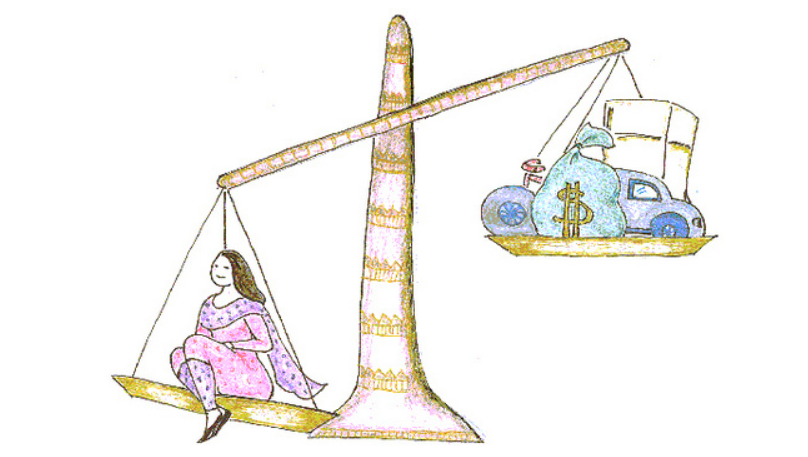
    On August 21, Nikki Bhati was allegedly set ablaze by her husband, Vipin Bhati. Her family stated that they gifted her in-laws a Scorpio, a motorcycle, and gold during the wedding in 2016. But there was no satiating the demand, and they were later presented with a fresh demand of Rs 36 lakh and a luxury car. The 26-year-old woman was found with severe burn injuries at her in-laws’ home on August 21 and later died en route to a Delhi hospital. Nikki’s death has sparked renewed outrage surrounding the concern of dowry deaths and the give-and-take of dowry altogether.

    Nikki Bhati’s death has prompted public outcry and renewed debate over India’s dowry-related violence. Reported dowry deaths, however, represent only the tip of the iceberg when it comes to the violence married women face within their households. According to the National Crime Records Bureau (NCRB), 35,493 brides died in India between 2017 and 2022, which averages to nearly 20 deaths a day over dowry demands. In this period, Uttar Pradesh recorded the highest number of dowry deaths, followed by Bihar and Jharkhand. Section 80 of Bharatiya Nyaya Sanhita (BNS) 2023 states that the term “dowry death” is applicable when a woman dies due to bodily injury or harm up to seven years after her marriage, and it is shown that she was subjected to cruelty and/or harassment by either her husband or his parents and/or extended family. A 2010 book named Human Development in India: Challenges for a Society in Transition, covers the findings of the 2004-05 round of the India Human Development Survey (IHDS), which shows that the average wedding spending for a bride’s family was 1.5 times more than the bridegroom’s family. Behind these numbers are real women whose lives are cut short by relentless demands. Recent cases across states reveal how dowry harassment continues to escalate into brutal violence and deaths.

    Sangeeta, a mother of two and a ten-year married woman, was discovered dead on June 14 in Aligarh, Uttar Pradesh, after allegedly being severely beaten and tortured with a hot iron on every part of her body, including her genitals. According to the woman’s family, she was often tormented by her husband and in-laws since they had not received the buffalo and bullet motorbike they had demanded as dowry. A young Chandigarh bride killed herself last July following what her family said was constant dowry harassment. Later that month, despite receiving a ₹70 lakh Volvo and 100 sovereigns of gold as dowry, another bride committed suicide within two months of marriage as a result of constant pressure relating to the dowry.

    These recent tragedies are not isolated incidents, but they stem from a longer history of dowry-linked violence in India. To understand why the practice persists so deeply, it is important to trace how dowry itself evolved. Dowry did not originate as a weapon of social violence; instead, it was known as ‘stridhan’ or a woman’s wealth, comprising jewellery, gold coins, and cattle, which was parted with by the bride’s family to accompany her in her married life, serving as a source of financial independence. By the medieval era, as caste hierarchies deepened, marriages became negotiations of status, dowries evolved into grand transactions, and the bride’s worth was calculated in terms of the wealth she was accompanied by. One of the earliest well-documented dowry killings occurred on 15 May 1979 in Model Town, North Delhi. Tarvinder Kaur, a Sikh bride, was attacked in her home by her mother-in-law, who doused her with kerosene, and her sister-in-law set her on fire.
    Today, the concept of dowry has evolved, and no longer fits the traditional framework of “give-and-take.” The bride’s family is expected to pay for the extravagant venues, luxurious food, stay, and whatnot. The honeymoon abroad and the luxury apartments “gifted” by the bride’s family all stem from the same social evil. Far from being abolished, the dowry system has been repackaged as status-driven consumption and reinforced by a consumerist mindset.

    The debate over dowry laws has sharpened with the ongoing Tellmy Jolly v. Union of India case, which includes a petition before the Supreme Court that questions whether parents who give dowry under coercion should be punished alongside those who demand it. Tellmy argues that, in punishing givers, the law criminalises the very people that it is supposed to shield. While the case highlights the criminalisation of victims, the Kerala government, in response to related proceedings, has recently informed the High Court that it has launched a dedicated portal for dowry complaints and is drafting a standard operating procedure for handling such cases. With the constantly rising dowry-related harassment cases rising every day in India, concerned citizens are bound to ask, “Will this portal be effective?”

    On one hand, a digital portal will make filing easier for victims (or their families), as they don’t need to go to police stations, which are often intimidating or dismissive. However, rural families may lack either digital access or literacy to access this portal. A digital approach to reporting issues such as dowry deaths and harassment can be effective, but only if it is paired with awareness campaigns, trained officers, and prompt action on complaints.

    While initiatives like Kerala’s dowry complaint web and the Tellmy Jolly petition demonstrate efforts to change the system, they also highlight the limitations of both digital and legal solutions. The continued prevalence of dowry-related violence serves as a reminder that the issue is much more complex than access to technology or the legal system, despite every new precaution that is put in place. Nikki Bhati’s case sits within a long continuum of dowry-linked violence that continues to surface across India, despite decades of legal prohibition. From the earliest recorded killings to recent tragedies, the pattern has remained disturbingly consistent, where demands escalate, families concede or resist, and women end up bearing the consequences. The persistence of such deaths shows how resistant the system is to reform. Dowry remains a deeply entrenched practice which has been consistently reshaped over time but never dismantled, leaving a legacy of inequality that continues to undermine marriage and justice alike.

  • R.G. Kar victim’s parents continue relentless quest for justice as India celebrated Rakshabandhan

    R.G. Kar victim’s parents continue relentless quest for justice as India celebrated Rakshabandhan

    A year has passed since a doctor was raped and murdered in R.G. Kar nursing home in West Bengal, Kolkata. As the whole country celebrated ‘Rakshabandhan’ on the very same day the incident happened a year ago, the victim’s parents are still visiting the State and Central Govt. turn by turn in search of justice.

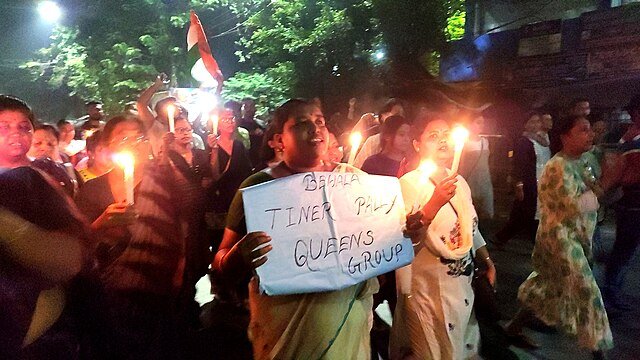
    Just a year prior, the horrific incident shook the whole nation; people around the globe took to the streets, raising systemic issues on women’s safety in the city of Kolkata. Fast forward to 2025, the victim’s parents are not satisfied, alleging “incomplete investigation”. According to the law, one person cannot commit this heinous crime. A civic volunteer named Sanjay Roy was convicted by the Sealdah Court and sentenced to life imprisonment till death. The judge excused the Death penalty because it was not a “rarest-of-rare” case, sparking huge controversy. On Saturday, 9 August, the victim’s parents called for a protest march in memory of their daughter. They alleged that they were stopped and beaten by the police near Park Street when they were marching towards the Bengal Secretariat. According to the victim’s father, they were stopped despite having court permission for the rally. Following their meeting with the Union Home Minister Amit Shah and CBI Director Praveen Sood over the incompetence of the West Bengal Government in giving them justice.

    Even after the R.G. Kar case, the crimes against women didn’t decline. A TMC student leader in the Union room of South Calcutta Law College raped a college student. In Pune, a girl was raped in her own house by a man pretending to be a delivery agent.

    As brothers vowed to protect sisters on the very same day, in a difference of a year, the victim’s mother was quoted by PTI saying, “Why are they stopping us? We only want to reach the secretariat and seek justice for my daughter.”  Thousands of women are molested and cat-called every day in India, and out of the many or two cases take the shape of R.G. Kar or Nirbhaya. As Durga Puja approaches in Bengal with Pandals fighting to make a women-related theme, the question arises, “What’s the need of worshipping a female deity when rape victims’ parents are lathi-charged by police for seeking justice?”

  • A Night of Firsts and Films with Heart: Highlights from the 71st National Film Awards

    A Night of Firsts and Films with Heart: Highlights from the 71st National Film Awards

    The 71st National Film Awards, announced on August 1, 2025, brought a wave of emotion, celebration, and overdue recognition across the Indian film industry. The ceremony, which honours the best of Indian cinema, stood out for its diverse selection of winners, ranging from regional gems to box-office blockbusters and deeply personal performances.

    As the sector navigates new obstacles, such as shifting audience preferences and digital disruption, this year’s National Awards confirmed that Indian cinema is not only surviving but also growing, daring, and flourishing.

    Historical win for Shah Rukh Khan 

    With more than 30 years in the industry, Shah Rukh Khan won his very first National Award for his commanding double role in Atlee’s ‘Jawan’. His performance as both a moral crusader and his army-man father was a crowd-pleaser and critical hit, underlining socio-political issues under the action-oriented image.

    In a tearful Instagram video, SRK thanked the jury, his team, and fans for Jawan’s win, saying, “I’m genuinely humbled”. With a visibly obvious injury, he went on to say affectionately, “Sending you half a hug, the other half will come soon.” The fraternity welcomed him to the winner’s circle- Kajol, Farah Khan, A.R. Rahman, and Anil Kapoor all sent him their congratulations.

    Rani Mukherji’s Fierce Comeback 

    Veteran actress Rani Mukerji won Best Actress for Mrs. Chatterjee vs Norway, where she played a Bengali mother who fights a foreign government to gain custody of her children. Based on real-life events, her performance was raw, intense, and emotionally crushing.
    “This is validation for my 30-year journey,” she said in a statement. Her cousin Kajol congratulated her alongside SRK, making it a proud moment for the Mukerji family.

    Vikrant Massey: From Underdog to National Icon

    The Best Actor award was won jointly by Vikrant Massey, who gave a soulful performance in 12th Fail, playing Manoj Kumar Sharma, a real UPSC aspirant with a humble background. The film, directed by Vidhu Vinod Chopra, brought to the screen the grit, vulnerability, and unassuming heroism of students fighting all odds to reach their destination.

    “Getting this honour alongside Shah Rukh sir is a dream,” Massey said. “I dedicate this to every student and underdog who felt unseen.”

    12th Fail Wins Best Film

    The most poignant of the wins at the 71st National Film Awards was, perhaps, Vidhu Vinod Chopra’s 12th Fail, taking home the highest honours for Best Feature Film- a victory for filmmaking that celebrates perseverance over privilege.

    Inspired by the tale of Manoj Kumar Sharma, a boy from a Chambal village who overcomes the daunting challenges to become a successful IPS officer, 12th Fail is a gritty and realistic portrayal of ambition overcoming adversity. Staying true to Anurag Pathak’s bestseller of the same name, the film avoids glorifying adversity, but instead presents it with a sense of weight and mounting sympathy, and offers a very human story of determination and hope.

    Director Vidhu Vinod Chopra, whose body of films includes Munna Bhai MBBS and 3 Idiots, called this project “the most important film” of his life. Chopra said, during his acceptance speech, “This film is not just Manoj’s story, it’s the story of every young Indian who’s been told that where they come from defines how far they can go. This award belongs to them.”

    12th Fail did not bank on melodrama. Rather, it used close-up storytelling, mundane settings, and real performances to craft a movie that was intensely personal and very national. It struck a chord with people of all ages and backgrounds.

    Popular Cinema Still Matters 

    Rocky Aur Rani Ki Prem Kahaani, a lively family drama directed by Karan Johar, won the Best Popular Film Providing Wholesome Entertainment award. This category frequently connects the gap between critical acclaim and widespread appeal. The victory confirmed that, when done well, high-budget Bollywood films continue to have a strong cultural impact.

    The film was a contemporary retelling of the classic Bollywood family saga and marked Johar’s return to directing after seven years. Rocky Aur Rani followed the unusual romance between a loud, expressive Punjabi man (Ranveer Singh) and an intelligent, independent Bengali journalist (Alia Bhatt) with flamboyant sets, humorous dialogue, and a progressive social message. Generations of people were won over by their chemistry, comedic timing, and emotional depth.
    Besides its Best Popular Film win, the film also took home the Best Choreography prize for Vaibhavi Merchant’s vivacious and stunningly filmed Garba song, “Dhindora Baje Re.” The song, which was widely praised for fusing traditional dance with modern storytelling, became a festival favourite.

    Powerful Performances in Supporting Roles 

    Regional cinema stole the limelight at the 71st National Film Awards, as outstanding performances finally found the national recognition they deserved. In the Best Supporting Actor award, the honour was shared by M. Bhaskar for Parking (Tamil) and Vijayaraghavan for Pookalam (Malayalam). Bhaskar’s performance as a common middle-class man embroiled in an increasingly hot war for a parking space; his performance, replete with pride, frustration, and an urgent need to assert dignity in a world where the common is overlooked, was phenomenal. Vijayaraghavan, a seasoned Malayalam actor, brought quiet weight to his performance in Pookalam, playing a centenarian grappling with hidden secrets and family pressures. Both actors brought nuanced performances of men whose flaws and vulnerabilities made them human.

    In Best Supporting Actress, the focus was on two equally riveting performances. Urvashi, known for her range in South Indian films, took home the award for Ullozhukku (Malayalam), where she tapped into the emotional pain of a woman grappling with generational conflict and unspoken sorrow in a Kerala family torn apart by flooding. Her acting was a masterclass in restraint and emotional subtlety. Janki Bodiwala, making her debut in the Gujarati film Vash, infused the national scene with new energy by acting as a young girl caught up in a supernatural thriller. Her acting was earthy and unputdownable, walking the line between innocence and fear in a performance that stayed with viewers.

    Regional Cinema Triumphs

    The accolades also showcased the depth of regional storytelling in India:

    1. The Best Hindi Film was Kathal: A Jackfruit Mystery – a scathing satirical take on police bureaucracy, starring Sanya Malhotra as a young inspector looking for missing jackfruits in a politician’s garden.
    2. Best Tamil Film: Parking – an engrossing drama of urban frustration and class conflict, featuring Harish Kalyan and M. Bhaskar as bitter neighbours.
    3. Best Marathi Film: Shyamchi Aai – a moving narrative of Sane Guruji’s life, documenting the relationship between a boy and his selfless mother.
    4. Best Gujarati Film: Vash – a horror thriller film featuring Hiten Kumar and Janki Bodiwala, where a family is haunted by supernatural forces.
    5. Best Malayalam Film: Ullozhukku – a sentimental family drama starring Urvashi, shot against the Kerala flood backdrop, where past secrets are exposed.
    6. Best Bengali Film: Deep Fridge – a critically engaging film on isolation and emotional loneliness in the era of the internet.
    7. Best Assamese Film: Rongatapu 1982 – a historical representation of ethnic strife in Assam, during a politically volatile time.
    8. Best Telugu Film: Bhagavanth Kesari – an action mass blockbuster film featuring Nandamuri Balakrishna, with mass appeal and a social message.

    Special Mentions and Technical Awards

    Vicky Kaushal’s commanding performance as Field Marshal Sam Manekshaw in Sam Bahadur earned the Best Film on National Integration, as well as Make-up and Costume Design honours. Calling it “a proud day for all of us at RSVP Films,” Kaushal was thrilled.

    Kerala Story also made waves, with Prasanthanu Mohapatra taking home Best Cinematography and Sudipto Sen taking home the Best Direction.

    Animal took home a Special Mention for re-recording mixer M.R. Rajakrishnan, along with the Best Sound Design and Best Background Score by Harshavardhan Rameshwar. Hanu-Man, meanwhile, took home Best AVGC Film for redefining the Indian superhero narrative.

    Conclusion 

    The 71st National Film Awards served as a window into the changing landscape of Indian cinema, not merely a list of winners. From the flamboyant celebration of Rocky Aur Rani Kii Prem Kahaani to the grassroots realism of 12th Fail, this year’s honours demonstrated a unique harmony between substance and spectacle.

    A powerful message is conveyed by the popularity of movies in a variety of languages, genres, and platforms: compelling narratives, no matter how big or small, will always find a following. The awards honoured not only cinematic brilliance but also the fearlessness to convey meaningful tales in an increasingly changing cultural terrain, honouring performances that were steeped in emotional depth, inner insight, and mass appeal.

  • India, US Unite in Space: NISAR Launch Marks Climate Tech Breakthrough

    India, US Unite in Space: NISAR Launch Marks Climate Tech Breakthrough

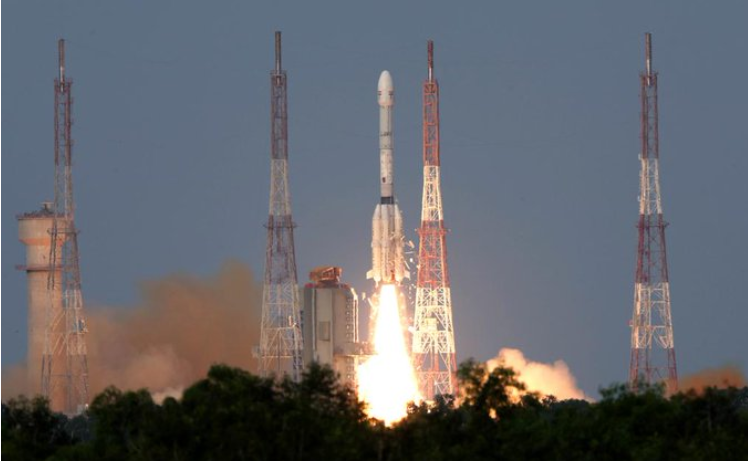
    On 30 July 2025, the NASA-ISRO Synthetic Aperture Radar (NISAR) satellite was successfully launched from the Satish Dhawan Space Centre at Sriharikota in Andhra Pradesh. This satellite is the first of its kind, designed to enhance global monitoring of climate change and natural disasters and boost overall environmental research. The Geosynchronous Satellite Launch Vehicle (GSLV)-F16 rocket carrying the earth observation satellite lifted off from the second launch pad of the space centre at 5.40 p.m. IST. Eighteen minutes later, it injected the satellite into a sun-synchronous orbit.

    The NISAR had been developed for over a decade and costs 1.5 billion dollars, making it one of the most expensive Earth-observing satellites to date. The NISAR programme is a landmark moment in global space diplomacy, facilitating the collaboration between NASA’s cutting-edge technology and India’s engineering expertise. Indian space industry representative Anil Prakash, Director General at SatCom Industry Association (SIA-India), hailed the NISAR mission and Indo-US space collaboration.

    “With a legacy of over 400 international satellite launches, ISRO has emerged not just as a collaborator, but as a co-architect of next-generation Earth science missions,” he said.

    NISAR marks the most advanced collaboration between NASA and ISRO, underscoring the growing trust and interdependence between the two global space powers. Furthermore, India’s emphasis on peaceful applications of its space technology for climate resilience, disaster prediction, agriculture, and water management reinforces its commitment to sustainable development over space militarisation.

    Image Source: X/ @isro

    NISAR is the first satellite to observe the Earth using a dual-frequency Synthetic Aperture Radar (SAR). This satellite will scan the entire globe twice every 12 days. This collaboration encapsulates NASA’s L-band and ISRO’s S-band radar systems — the L-band uses higher wavelength microwaves to cover vegetation, ice and sand, while the S-band captures crop fields and water bodies.

    “NISAR can detect even small changes on the Earth’s surface, such as ground deformation, ice sheet movement, and vegetation dynamics. Further applications include sea ice classification, ship detection, shoreline monitoring, storm characterisation, changes in soil moisture, mapping and monitoring of surface water resources, and disaster response,” ISRO has stated.

    By combining advanced radar imaging with climate and environmental monitoring, the mission demonstrates the power of international collaboration to drive practical and long-term solutions to global challenges, from climate change and natural disasters to resource management. This launch is not just a significant milestone in science but also a commitment to advancing space diplomacy through collaboration and impactful scientific progress.

  • TCS Layoffs: A Wake-Up Call for India’s IT Workforce

    TCS Layoffs: A Wake-Up Call for India’s IT Workforce

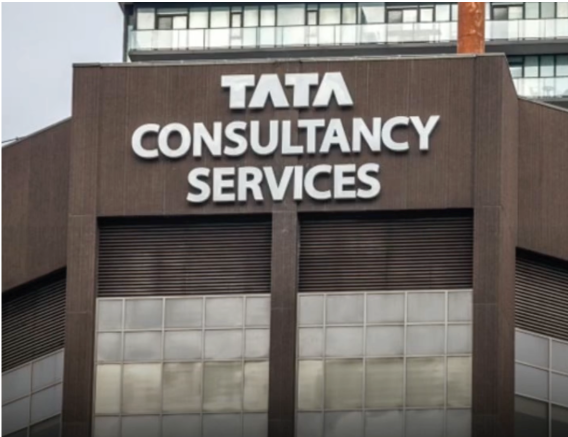
    India’s economy has a longstanding history intertwined with the IT Sector, which is its most resilient pillar. However, recent news in late July of 2025 has sent shivers down the spine of the national workforce and brought up questions that are fundamental in determining the future of white-collared job opportunities. Tata Consultancy Services (TCS) has wielded an axe on its number of employees, deducting almost 12,000 workers. That is nearly 2% of its global workforce of 613,000 as of June 2025. It is a historical downsizing strategy in the 50-year journey of TCS legacy; the air now stands heavy within the sector that was once unshakable.

    TCS has been globally recognised as India’s largest IT services exporter and a key employer of India’s skilled middle class. Reports of such heavy layoffs force debates and conflicting arguments related to the ever-evolving workspace, adorned by limits of cost optimisation, the ethical implications of automation, and global restructuring. Although the exact number has not been officially confirmed by TCS, internal sources have cited an affected group of mid-to-senior-level professionals with 8-15 years of experience: mainly those who were a significant part of India’s IT success story. The redaction is a collective reasoning of performance reviews, shifting global priorities, and a broader move toward AI and cloud automation. But the question persists: is dumbing the workforce down to just operational strategy the quick and easy solution to mobility? Or is it an intentional shift caused by a cultural and structural shift in the way Indian IT giants perceive talent, efficiency, and global competitiveness?

    So what has the CEO said? K. Krithivasan has mentioned the layoff as an offshoot of “skills mismatch” and not the preconceived notion of AI delivering 20% productivity gains. Certain roles have now outgrown their traditional operative measures and no longer fit into the strata of next-gen technological progress. TCS has also allegedly been an investor in upskilling over half a million employees in AI and emerging tech. However, it was admitted that deployment may not be feasible for all, leading to the necessity of downsizing.

    Such a move also has the complete potential of reflecting a broader range of oncoming pressures: global economic uncertainty, slowdown in North American client spend, and increasing demand from clients for cost-efficiency and innovation-driven delivery models. However, analysts have also estimated the cut to cause a reduction in the overall employee costs by approximately 4% and add up to nearly 12% to TCS’s net profit recorded in the fiscal year that ended in March 2025.

    TCS has also brought in make-or-break alterations within the workforce that force “bench resources”- those employees who have been inactive for a long while to find a project within 35 days to secure their position, similar to longer grace periods provided previously. Alongside this, the employees who have been laid off will be receiving a period of compensation, severance packages aligning with industry standards, extended insurance benefits, and outplacement support. TCS has publicly stated that steps have been taken to ensure unaffected service delivery to clients, as well as providing counselling and career transition assistance during this period.

    A wider portion of the worksphere reconstruction is the cost reduction initiative at TCS, which comprises a freeze on lateral hiring of experienced personnel, temporary global suspension of salary increases, and tightened performance management of employees with bench or non-billable roles. The actions have been justified publicly as critical measures to help TCS remain agile and competitive in a business landscape where deal cycles are getting shorter, automation is on the rise, clients are exerting cost pressures, and global competition is intensifying.

    The announcement has stirred up considerable debate in the tech space and among Indian labour organisations. Employee rights activists and trade unions have raised alarm over both the quantum of the layoff and the safety nets available to re-employment for older staff who might experience re-employment to be more difficult on account of age or skills that are out of date. Some government officials and representatives for labour have pressed for further regulatory supervision and proactive measures to safeguard workers’ welfare, especially in an industry that has historically been considered a bastion of secure middle-class jobs.

    For the broader IT sector as a whole, TCS’s decision is being seen as both a symptom of and an influence on sectoral distress. Most large Indian IT companies, such as Infosys, Wipro, and HCL Technologies, are also under pressure to reshape their workforces to keep up with fast-evolving digital client needs. The development of generative AI, cloud-based designs, and sophisticated cybersecurity is making some jobs obsolete while opening up demand for new, highly specialised technical skills.

    For TCS, the decision marks the reversal of decades of a relatively placid model of employment, one of mass hiring, long tenures, and step-by-step upskilling. The company’s move marks the beginning of a new phase where speed, quick acquisition of skills, and constant learning become the need of the hour – to survive, not just for business but also for IT professionals. The change underscores the two-edged sword of technological advancement: while it opens new opportunities, it also shatters traditional career streams and security for thousands.

    The TCS layoffs are a critical inflexion point – not just for the company but for the Indian IT industry. They are a wake-up call that highlights the imperative for companies and professionals alike to adopt new competencies, become resilient to technological change, and develop more agility in responding to market and technological change. As India’s IT titans navigate the turmoil of a digital age, the following year will challenge the resilience and adaptability of both people and organisations.

  • Divya Deshmukh Creates History: Crowned Champion at 2025 FIDE Women’s World Cup

    Divya Deshmukh Creates History: Crowned Champion at 2025 FIDE Women’s World Cup

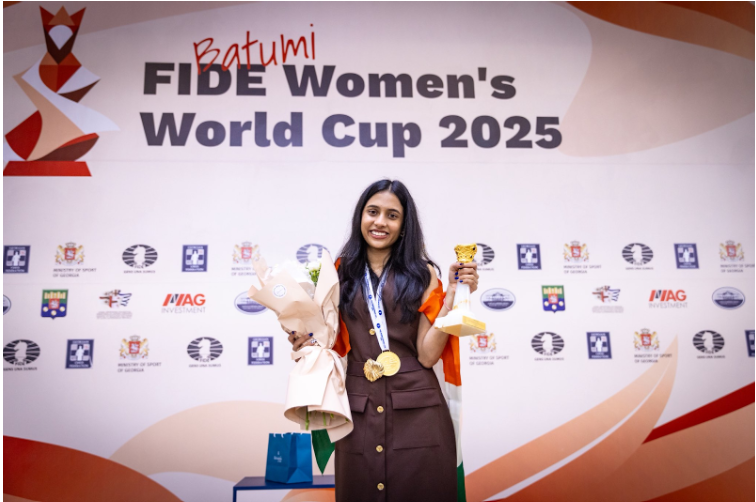
    19-year-old Divya Deshmukh from Nagpur made history by winning the final of the 2025 FIDE Women’s World Cup held in Batumi, Georgia. In a ‘passing of the torch’ moment, Divya defeated fellow Indian Koneru Humpy, who had become India’s first female Grandmaster in 2002. With this victory, Divya became the 88th Grandmaster from India and only the fourth Indian woman to earn this prestigious title. She secured victory with a 1.5-0.5 score in the tiebreakers.

    After two draws in the classic games, the match went to tiebreaks.  In the first game, Divya played with the white pieces and created several chances to win, but was unable to convert her advantage. Despite Humpy’s mistakes, the 19-year-old could not capitalise on the opportunities and the game ended in a draw. After the first tiebreaker, Divya told the official broadcaster of FIDE that the previous game did not go her way, and that she got into a “mess for no reason.”

    However, she bounced back in the second game, defeating 38-year-old Koneru Humpy, the reigning World Rapid Chess Champion and current World No. 5, to become the first Indian woman to win the World Cup. Both finalists have qualified for the upcoming 2026 FIDE Women’s Candidates Tournament, a crucial step towards competing for the World Chess Championship. Entering the tournament as the 15th seed, Divya outplayed several stronger, higher-ranked opponents on her way to the title, displaying exceptional tactical skill and determination.

    Divya’s mother, a doctor, stood by her side during her moment of glorious victory. Overcome with emotion, the two exchanged a heartfelt hug. “It’s hard for me to speak right now. It definitely means a lot, but of course, there’s a lot more to achieve,” said Divya. “I’m hoping this is just the start.” She stated that she believed her win was fate because, before the tournament, she had not even achieved a GM norm, let alone her victory in the FIDE Women’s World Cup.

    Divya Deshmukh celebrating her win with her mother.  Photo: X/@FIDE_chess

    A GM norm is earned by delivering a high-level performance in a FIDE-rated tournament; typically over nine games against strong, international opponents, including at least 3 Grandmasters. Divya’s rating also did not meet the required rating (a standard 2600) to be eligible for the coveted title. Yet, by winning this prestigious event, she bypassed all the usual FIDE requirements, thus emerging as the 44th female Grandmaster in the world. Prior to this, Divya has won several gold medals across major international events, including the World Youth Championship, Asian Championship, and World Junior Championships.

    Divya’s victory marks a historic milestone in Indian chess and has been widely celebrated, including by Prime Minister Narendra Modi, who tweeted: “It’s been a phenomenal day for Indian Chess! Divya Deshmukh has not only won the 2025 FIDE Women’s World Cup but also become a Grandmaster. Congratulations to her. Her accomplishment will motivate many people and contribute to chess becoming even more popular among the youth.” Nitin Gadkari, the Union Minister of Road Transport and Highways, also congratulated her, stating, “This is a moment of joy and pride not only for Nagpur and Maharashtra, but also for the entire country.” Divya will now set her sights on the upcoming Grand Swiss tournament in Uzbekistan this September.

  • Vice-President Jagdeep Dhankhar Resigns Suddenly, Cites Health Reasons

    Vice-President Jagdeep Dhankhar Resigns Suddenly, Cites Health Reasons

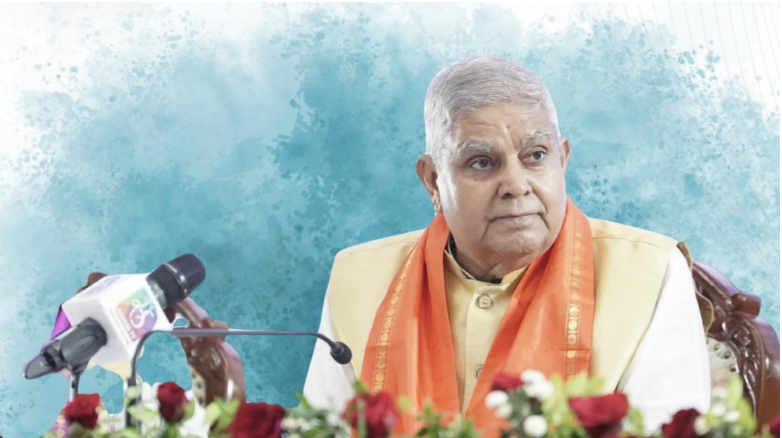
    Vice-President of India Jagdeep Dhankhar resigned from his post on Monday, saying he was following medical advice and needed to focus on his health. The resignation came as a big surprise to many, as he still had two years left in his term.

    In his resignation letter to President Droupadi Murmu, Mr. Dhankhar said, “To prioritise health care and abide by medical advice, I hereby resign as the Vice-President of India, effective immediately.” The letter was shared on his official X (formerly Twitter) account.

    Mr. Dhankhar, 74, had a heart-related issue in March but had recovered and was attending official events regularly. In fact, he had taken part in Parliament earlier the same day and chaired a meeting of the Business Advisory Committee in the Rajya Sabha. He was also scheduled to visit Jaipur the next day for an event.

    His sudden resignation raised many questions and speculations. While the official reason is health-related, some political leaders believe there could be other reasons behind the move.

    Congress MP Jairam Ramesh said the resignation was “shocking and unexpected.” He mentioned that he had spoken to Mr. Dhankhar just a few hours before the news broke, and the Vice-President gave no hint about stepping down. “He was supposed to make some big announcements related to the judiciary tomorrow,” Mr. Ramesh added.

    Sources as per The Hindu say Mr. Dhankhar was also expected to speak in the Rajya Sabha on impeachment motions against two High Court judges. These were sensitive matters that could have made headlines.

    According to senior leaders in the ruling National Democratic Alliance (NDA), the government is now preparing a list of possible replacements. The next Vice-President will likely be from the Bharatiya Janata Party (BJP) and someone close to Prime Minister Narendra Modi. PM Modi is expected to return from his overseas visit by July 26.

    There have also been reports of tensions between Mr. Dhankhar and the government in recent months. His strong public comments about the judiciary did not go down well with some government leaders. In December 2024, the Opposition had even moved an impeachment motion against him, something that had never happened before for a Vice-President. Although the motion was dismissed, Mr. Dhankhar was reportedly upset that no top government minister publicly defended him.

    Mr. Dhankhar is known for speaking his mind. He began his career as a lawyer and entered politics in 1989, winning a Lok Sabha seat from Jhunjhunu, Rajasthan. He joined the BJP in 2003 and was made Governor of West Bengal in 2019, where he had regular disagreements with Chief Minister Mamata Banerjee. In 2022, he was elected as the 14th Vice-President of India.

    As Vice-President, he often spoke on issues like judicial reform, farmers’ rights, and Parliament’s powers. Some admired his courage, while others felt he crossed the line expected from someone in a high constitutional post.

    So far, the BJP has not issued a formal statement. PM Modi posted a brief message online, but it was far less warm than the praise he had given Dhankhar earlier. Meanwhile, several Opposition leaders have spoken about Mr. Dhankhar with respect and concern.

  • Centre Defends Revised SO₂ Emission Norms for Coal Plants as Cost‑Effective and Climate‑Coherent

    Centre Defends Revised SO₂ Emission Norms for Coal Plants as Cost‑Effective and Climate‑Coherent

    India, already one of the world’s top sulphur dioxide (SO₂) emitters, has now moved to exempt nearly 80% of its coal-fired power plants from installing key pollution control systems – sparking widespread concern among environmentalists and public health experts. On 17 July 2025, India’s Ministry of Environment, Forest and Climate Change (MoEFCC) has staunchly defended its decision to relax sulphur dioxide (SO₂) emission norms on installing flue gas desulfurisation (FDG) systems for coal and lignite-based thermal power plants, describing the move as ‘cost-effective’ and ‘scientifically justified’. The new revised framework has now exempted approximately 78% of thermal plants from installing FGD systems, with exceptions.

    Background & Challenges Faced 

    In 2015, the MoEFCC introduced new emission norms for coal- and lignite-based thermal power plants to curb air pollution. A key requirement was the installation of FGD units, which are a pollution control technology that removes sulphur dioxide from gases of the power plant, leading to a reduction in harmful emissions into the atmosphere. This move was part of India’s broader effort to reduce ambient air pollution and align with global environmental standards.

    However, for the communities living near the thermal plants, these policies were essential for their survival. Residents near Chhattisgarh’s Korba region, home to one of India’s densest coal power belts, who are already battling chronic coughs, fear that this rollback would choke them further.

    All thermal plants were given two years to install these; however, by 2024, only 8% of 180 thermal power plants had installed FGDs. Multiple extensions were granted due to technical, financial, and logistical hurdles, including high costs, limited vendors, and supply chain issues.

    While studies show sulphur dioxide contributes only 1–5% to overall PM₂.₅ levels, studies caution that even at the lower end of this range, the impact on human health is significant. India sees around 19.5% of daily deaths and 1.67 million annual deaths – a figure that makes the health implications of rolling back SO₂ norms impossible to ignore.

    What has changed?

    Under the new framework, thermal power plants are now classified into three categories based on how close they are to populated places and their pollution load. Category A plants are those situated within 10 km of cities in the National Capital Region or in areas with severe pollution. They are still required to install FGD systems by December 2027. The second category, Category B, located between 10 and 25 km from populated areas, will be assessed on a case-by-case basis. Meanwhile, Category C plants—located more than 25 km from major habitations—have been exempted altogether from the FGD mandate. This includes the 78% of thermal plants mentioned before.

    Government’s Justification

    The MoEFCC said that they have noted no visible difference between the SO₂ emissions between those plants that have the FGD system and those that don’t. According to the ministry, studies show that SO₂ contributes only 1% to 5% to ambient PM2.5 levels, implying that nationwide installation may not be the most effective strategy to reduce air pollution.

    The Ministry also stated that the expenses to install these systems would not match their benefits, which are marginal. The installation could also lead to an increase in electricity tariffs by 50 to 70 paise per unit. The current cut of the systems could, in fact, reduce electricity costs by 25 to 30 paise per unit.

    Criticism and Public Health Concerns

    SO₂ is a colourless, extremely toxic gas and a leading cause of several respiratory illnesses and acid rain. As mentioned, India is one of the largest emitters of SO₂ and diluting regulations puts vulnerable communities at risk. Some research suggests that fully implementing FGD could save thousands of lives each year.

    Critics argue that rolling back these measures not only endangers public health but also undermines India’s global environmental standing. This policy shift, they warn, could complicate India’s long-term climate strategy—particularly its ambition to reach net-zero emissions by 2070. With coal still dominating the energy mix, continued reliance on outdated emission controls may slow the transition toward cleaner alternatives and jeopardise commitments under the Paris Climate Agreement.

    What Lies Ahead

    While the government claims that the revision is both climate-friendly and cost-effective, this debate highlights a significant challenge: finding the right balance between developmental needs and environmental responsibility. With coal still being a major player in India’s energy landscape, we’re left wondering what the long-term effects of this decision will be on public health and our climate goals.

  • Investing in Indulgence: All About ChysCapital’s Theobroma Stake Buy Out

    Investing in Indulgence: All About ChysCapital’s Theobroma Stake Buy Out

    Theobroma, a high-end bakery brand renowned for its signature brownies, pastries, and quickly expanding nationwide presence, has drawn a significant investment from ChrysCapital, which has purchased a 90% stake in the business. The deal is estimated at a valuation of ₹2,410 crore, as reported by the Economic Times. It marks a significant milestone in Theobroma’s evolution from a family-run enterprise to a professionally scaled food services business.

    The deal involves acquiring shares from both the company’s promoters and current investor ICICI Venture, which owns around 42% of the stake in the company. It is reported that the proprietors will retain 10% of the stake in the company.

    From Colaba Café to a 1000-Crore Brand 

    Theobroma was founded in 2004 by two sisters, Kainaz Messman Harchandrai and Tina Messman Wykes. It grew from a small kitchen café to a 225-store pan-India chain, serving pastries, puffs, cakes, croissants and sandwiches.

    In her 2020 memoir, “The Theobroma Story: Baking a Dream,” Kainaz Messman described how she had to reconsider her career after suffering a back injury while working as a pastry chef at the Oberoi Hotels. Inspired by their mother’s home-based baking business, she teamed up with her sister Tina and received training at Le Cordon Bleu.

    During Dussehra in 2004, the two opened their first café on Colaba Causeway with their father’s seed money of Rs 1.5 crore. At first, it was thought to be a minor improvement over their kitchen at home, but it would quickly grow into something much larger.

    A friend of theirs proposed the name “Theobroma,” which means “food of the gods,” and it immediately came to be known as the decadent treats at an affordable price and an elevated dessert experience.

    Theobroma’s delicious tarts, rich cakes, and gooey brownies were an overnight hit in India’s growing café and bakery scene in the early days. With its European-style pastries at affordable prices, the brand won the heart of a young aspirational consumer segment. Its emphasis on quality and consistency helped create a loyal and growing customer base, reports say.

    More About the Stake Buy-out 

    According to the ET (Economic Times) report in March, ChrysCapital initiated discussions to acquire Theobroma at a rate lower than the initial Rs 3,000 crore valuation the founding family and the shareholders held out for. The talks that were put on hold for some six weeks following poor financial performance were recently restarted. No takeover announcement has been issued yet.

    Other prospective buyers like Bain Capital, Carlyle, and Switz Group of the Khorakiwala family that runs the Monginis bakery chain also expressed initial interest in Theobroma. ChrysCapital’s investment in Theobroma is a part of the company’s plan to build a solid quick-service restaurant (QSR) portfolio. The fund is also committed to buying high-growth food chains such as The Belgian Waffle Co., and the recent deal reflects growing investor interest in scalable, consumer-facing companies in India.

    Theobroma is expected to post Rs 525-550 crore revenue and Rs 80-100 crore EBITDA in FY25. It had posted Rs 400 crore revenue and Rs 60 crore EBITDA in FY24.

    The company had earlier considered going public, but unstable market conditions stalled its plans for an IPO.

    What’s Next for Theobroma?

    With the support of ChrysCapital, Theobroma will consolidate its position in Tier 1 and Tier 2 cities and explore opportunities such as e-commerce, licensing of products, and packaged foods. With the increasing demand for premium yet affordable food brands in India, Theobroma is poised to dominate the space.

    The most amazing part of this story isn’t the moneymaking transaction – it’s sister’s love, business built on chocolate, hard work, and determination. It is now a case study on how Indian food startups can grow without losing their soul.

    The investment gives Theobroma the strategic capital and expertise it needs to propel its growth, expand new markets, and potentially strengthen its supply chain and backend operations. ChrysCapital, as an experienced investor in consumer-facing businesses, offers Theobroma Capital as well as operating experience, which is vital since Theobroma transitioned from a family business to a professionally scaled business.

    The Messman family is reportedly still engaged in key roles to keep the values and identity of the brand.

    Image Source: Theobroma Official Website

  • After Nearly a Century, HUL Gets Its First Female Chief

    After Nearly a Century, HUL Gets Its First Female Chief

    For the first time in its 92-year history, Hindustan Unilever Limited (HUL) will be led by a woman. Priya Nair has been appointed as the new CEO and Managing Director of HUL, and will be taking over from Rohit Jawa on August 1st, 2025.

    Priya Nair isn’t new to HUL. She has worked for the company for almost 30 years, starting in sales and marketing and steadily climbing the ladder, proving herself every step of the way. She is currently the President of the beauty and wellbeing sector at Unilever, where she led iconic campaigns for brands like Dove, Rin and Comfort. She is also known for creating stories that connect with people, especially women and families, and her in-depth understanding of the Indian market made her one of the most respected marketers in the industry.

    But this move is more than just a change in the job title. It highlights the slow pace of change in the Indian boardrooms. HUL, a household name with products in nearly every Indian home, had never had a female CEO for almost a century, and Nair’s appointment is a clear sign that leadership is finally becoming more inclusive.

    She brings to the table not just experience, but also empathy. Her leadership style is expected to focus on people, sustainability, and innovation. As consumer habits change, especially post-pandemic, HUL will need fresh ideas to stay relevant. Her track record shows she understands this shift. She led campaigns that didn’t just sell soap or shampoo; they told stories that made people feel seen and heard.

    Her promotion also sends a message to young women across the country – the top seat is within reach. Even in industries where men have always held power, things are changing. It’s a reminder that talent, vision, and consistency can break barriers,  even those built over nine decades.

    HUL is India’s biggest fast-moving consumer goods (FMCG) company. It sells everything from tea and detergent to skincare and health products. With over 50 brands in its portfolio and a presence in every part of the country, leading HUL is no small task. But Nair is seen as someone ready for the challenge.