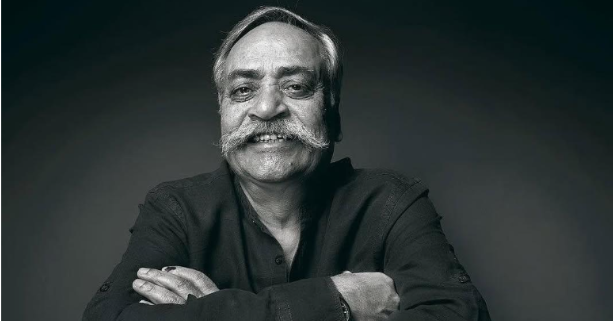
Piyush Pandey, the advertising icon who redefined how India spoke through its brands, passed away on 24th October 2025, in Mumbai at the age of 70. According to reports, Pandey was suffering from a severe infection that led to his sudden death.
In a striking coincidence, the man who created the nation’s famous Pulse Polio campaign, “Do Boond Zindagi Ke” featuring Amitabh Bachchan, passed away on World Polio Day, the very date India annually celebrates its triumph over the disease.
Widely called the creative heartbeat of Indian advertising, Pandey’s work at Ogilvy India, where he worked as Executive Chairman and Global Chief Creative Officer, transformed the ad industry forever. His campaigns were rooted in local insights, humour, and humanity; they gave India some of its most enduring brand memories.
An Album of Timeless Campaigns
Pandey’s creative legacy can be told through the campaigns that became part of India’s vocabulary. From “Pappu Pass Ho Gaya,” “Fevicol ka Mazbooth Jod Hai, Tootega Nahi”, “Har Ghar Kuch Kehta Hai” and Cadbury Dairy Milk’s “Kuch Khaas Hai Ham Sabhi Mein”, Pandey’s ads celebrated India’s spirit and culture. He also designed the famous Vodafone Zoo-Zoo and Hutch puppy campaign.
Pandey was also behind socially powerful work, including the Pulse Polio campaign, “Do Boond Zindagi Ke”, which helped drive mass vaccination awareness across the country in collaboration with the Government of India and UNICEF. He also designed the “Incredible India” campaign, which gave India a global identity.
Pandey worked on the famous political campaign for Narendra Modi in the 2014 general election. The “Ab ki Baar Modi Sarkar” campaign contributed to the BJP’s landslide victory.
A Pioneer with an Indian Heart
Born in Jaipur in 1955, Pandey’s journey into advertising was unconventional. Pandey played many major Cricket Tournaments, including the prestigious Ranji, before working as a tea-taster in Kolkata. In 1982, he joined Ogilvy and Mather. His early work caught attention as his ads were deeply rooted in Indian culture and local lingo, which was not common at that time, as advertisers mimicked Western ads. He believed “Engagement is the key to communication”, and this was reflected in his ads, which were catchy and in sync with the rhythms of ordinary Indians.
Over four decades, he transformed Ogilvy India into a powerhouse of creativity, mentoring countless young copywriters and art directors who went on to become industry leaders themselves.
Pandey’s contribution to the advertising world was recognised with numerous awards, including multiple Cannes Lions, Effies, and the Padma Shri in 2016 for his contribution to literature and advertising. In 2000, The Economic Times named him “The Most Influential Person in Indian Advertising.”
Beyond his campaigns, Pandey was known for his humility, humor, and strong flair for storytelling. His autobiography, “Pandeymonium: Piyush Pandey on Advertising”, captured his creative side and anecdotes from his life.
Tributes poured in from across industries. Prime Minister Narendra Modi tweeted, “Shri Piyush Pandey Ji was admired for his creativity. He made a monumental contribution to the world of advertising and communications. I will fondly cherish our interactions over the years. Saddened by his passing away. My thoughts are with his family and admirers.” Industrialist Anand Mahindra and veteran actors like Amitabh Bachchan, who worked with him on the Polio campaign, and Shah Rukh Khan, also shared their condolences. His admirers flooded Twitter and other social media platforms with memories of the man whose words and ideas shaped India’s advertisements.
Leave a Reply