Category: Global

  • Pope Francis Dies at 88

    Pope Francis Dies at 88

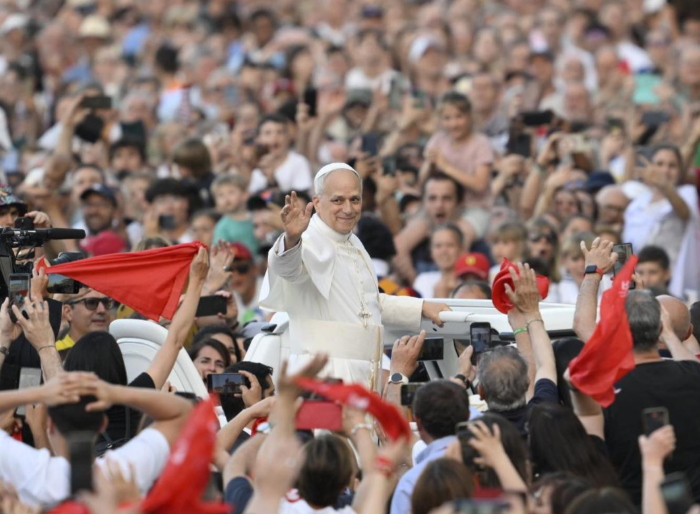
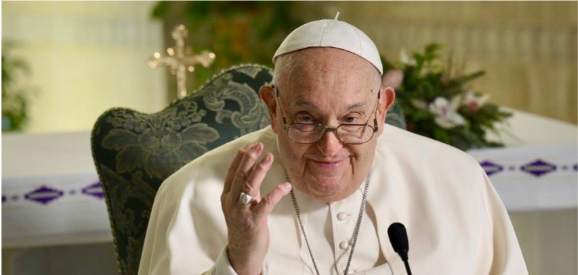
    Pope Francis, leader of the Catholic Church, passed away on April 21, 2025 at the age of 88, the Vatican announced today. The cause of his death was reported as a stroke followed by a Cardiac Arrest. This comes after he was hospitalised for a month due to double pneumonia and had recently returned to the Vatican to continue his recovery journey.

    He was born as Jorge Mario Bergoglio on 17th December 1939 in Flores, Buenos Aires. He had 4 siblings. After attending a technical secondary school, he graduated with a diploma as a chemical technician. Before finding his passion for religion, he worked several jobs, including as a Bouncer and Janitor.

    After the resignation of Pope Benedict XVI in 2013 due to old age, the Papal Conclave congregated to select their new leader. On March 13th 2013, Bergoglio was elected as the Pope. He took the papal name Francis, in honour of Saint Francis of Assisi. A pope of many firsts, Pope Francis achieved several milestones upon his election: the first Jesuit Pope, the first pope from the Americas, and the first ever from the southern hemisphere.

    Inclusivity in the church

    The Pope also set a milestone by showing openness to the LGBTQ+ community, unlike his predecessors. In a televised interview in 2013, when asked about priests who were homosexual, he replied: “If someone is gay and he searches for the Lord and has good will, who am I to judge?” In January 2023, he said that “Being Homosexual is not a crime” in an interview with AP. He also called out the laws that criminalise homosexuality “unjust”. In 2013, The Advocate, an American LGBTQ+ magazine, named him Person of the Year.

    Pope Francis’ deep affection for the poor was seen in multiple instances. On the first Holy Thursday after his election, he kissed and washed the feet of ten male and two female juvenile offenders imprisoned at Rome’s detention facility, telling them that this ritual signifies he was at their service. In this ritual, prisoners who followed Islam as their religion were also included by him, a landmark moment in the Vatican’s history.

    A voice for the Poor and victims

    Pope Francis chose this name because Saint Francis was extremely concerned with the welfare of the poor, and this was reflected multiple times during his papacy. Unlike popes from the past, Pope Francis had personal outreach with the homeless and poor. In a noble event, he turned a Vatican Plaza into a refuge for the homeless, whom he called “Nobles of the street”. He also practised a foot-washing ceremony of migrants and the poor to show he serves them.

    “I cannot greet people from inside a sardine can, even if it is made of glass”, said Pope Francis when asked about his outreach meetings. His holiness was also a passionate advocate for world peace. He called for a ceasefire between Israel and Palestine several times. According to Vatican News, it was reported that he would video call with the Holy Family Catholic Parish in Gaza every night since October 2024, offering prayers and solidarity to the residents, including Christians and Muslims. As a result of his acts of kindness, people called him “Champion of the Poor” and “Poor people’s Pope”.

    Pope on Climate Change

    Pope Francis left a deep impact on the issue of Climate Change. In his 12 years of papacy, he repeatedly raised the problem of human-caused global warming from burning fossil fuels. He encouraged citizens and world leaders to take action against the same.

    Pope Francis criticised developed countries like the US, which have contributed the most to planet warming pollution. He said poor nations have contributed the least to climate pollution. Francis inspired many Catholics to form climate groups, including The Global Catholic Climate Movement, which is now called the Laudato Si’ Movement. This movement aims to bring people together and fight the climate crisis while also protecting the environment and scrutinising eco-spirituality, sustainability, and social justice.

    Prime Minister of India, Narendra Modi and Pope Francis had their first-ever meeting during the PM’s visit to Italy in October 2021 for the G20 Summit. They discussed various issues, including Climate Change. Modi invited the Pope to visit India, which was politely accepted by Pope Francis. In their next meeting in 2024 at the G7 summit, PM Modi expressed his admiration for Pope Francis’ passion for the Environment and reiterated his invitation for a papal visit to India.

    Pope Francis did not just lead the Catholic Church, he changed what it stands for with compassion, humility and love. The world mourned as he passed away, with billions of Catholics and World leaders expressing their grief. His funeral was held on Saturday, 26th April, 2025, in Vatican City. Nearly 250,000 people attended his funeral. He remains as one of the only popes in over a century to be buried outside of the Vatican in the Basilica of Santa Maria Maggiore in Rome. While his views were widely praised, some traditional Catholics disagreed with his more progressive and liberal stance on social issues. Nonetheless, his legacy will always be remembered by the world.

  • Trump’s 2025 Tariffs vs. the Global Economic Fallout

    Trump’s 2025 Tariffs vs. the Global Economic Fallout

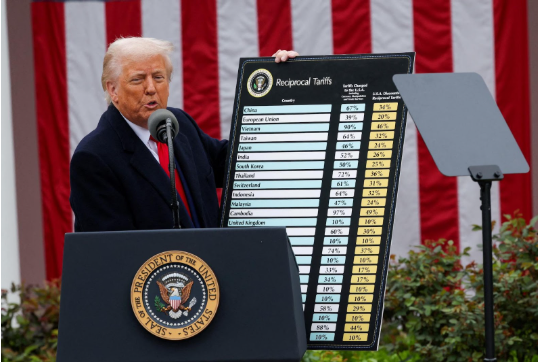
    American President Donald Trump’s anticipated return to the White House in 2025 came with a renewed “MAGA” (Make America Great Again) agenda, the first of which caused a worldwide domino effect on the trade sphere. At a major event in the White House Rose Garden on April 2, 2025, Trump’s oration enlightened America on excessively increased tariff rates moving forward, on imports from their major trading partners.

    The Organisation for Economic Co-operation and Development (OECD) has confirmed the average U.S. tariff rate to jump from 2.5% to the highest ever since 1938, 15.4%. China is faced with an effective tariff rate of 54% on certain goods, while India, the European Union, Japan, and South Korea all contend with tariffs between 20% and 34%. Even allies like Canada and Mexico, part of the USMCA agreement, have not been spared, slapped with 25% tariffs on most goods and 10% on energy products.

    Trump’s tariff policy stems from observing the U.S. trade deficit. His perspective of the current trade scenario is based on America suffering direct financial losses and not a complete structural macroeconomic metric. According to Trump, the more America imports, the more it bleeds. His solution? Tariffs, blunt,  and all-encompassing.

    Tariffs are Trump’s biggest tool to set the policy straight once and for all. It is expected to solve job losses, manufacturing decline, and foreign policy tensions once and for all. But should he believe that economic complexity can bend so easily to political tactics?

    The OECD has responded with stern warnings. In its revised global forecast, it lowered worldwide growth projections from 3.3% in 2024 to just 2.9% for 2025 and 2026. The U.S. itself is expected to slow from 2.8% to 1.6% in 2025, a sharp decline driven by declining investment and weakening consumer confidence. The OECD is clear: Trump’s tariffs are already disrupting trade, straining supply chains, and disincentivising corporate expansion.

    Tariffs are a strategic tool for the regulation and implementation of economic shielding, disguised as tax, that consumers are compelled to pay in the form of expensive pricing. This year’s tariffs were like a tidal wave crashing against sectors like Chinese electronics and Vietnamese textiles, to Indian pharmaceuticals and European automobiles. Businesses that depend on imports are now caught in a vicious cycle of absorbing higher input costs or passing them on to customers. For working-class Americans, the demographic Trump caters to, championing inflationary pressure has been the most direct blow as of yet.

    The new Trump-initiated “reciprocal tariffs” have caused a storm in nations like Cambodia (49%), Bangladesh (37%), Sri Lanka (44%), and Taiwan (32%) based on their trade barriers and utmost economic injustice. These countries have already been considered to be low-income economies that rely heavily on exports to the U.S., toppling them into instability as a whole. Thus, pushing them toward alternative trading blocs like BRICS or further into China’s sphere of influence.

    Allies of this policy see no wrong in it and have argued that the tariffs are necessary to counter decades of unfair trade, or in Trump’s words, “being ripped off,” and that restoring domestic manufacturing is the only way out. Economically, the increased tariff rates have caused a ripple effect across production ecosystems, increasing costs for everything from smartphones to semiconductors.

    The most alarming consequence of these tariffs is the probability of fracturing the global economy. The OECD warns that de-globalising production could reduce global GDP by up to 5%. Countries are already responding in kind, either with retaliatory tariffs or by strengthening trade agreements that exclude the U.S. Isolating America’s economy is trading risky waters during this troubled time of climate change, technological governance, and public health.

    These tariffs have alienated key allies in Europe and Asia, and penalised countries like India and Vietnam, which the U.S. was courting as strategic counterweights to China, the administration has unfortunately undercut its own foreign policy goals. It has become clear that economic power is a pillar of geopolitical influence, and weaponising trade risks eroding the very alliances that give the U.S. leverage in global affairs.

    Protecting America’s economic stature may offer temporary political gains, especially in key industrial swing states. But profound long-term costs will fester sooner or later in the economic, diplomatic, and social landscape. Tariff wars ending on civil terms have rarely shown up in history- declining innovation, loss of wealth, and regulation of painful methods of recovery will only be found at the end of this tunnel.

    President Trump, for now, should be reviewing his goals to ensure a more resilient and fair vision within this competitive American economy. The answer to successful trade policies and moulding America into a self-reliant nation lies not in walling off trade, but in investing in domestic capabilities: infrastructure, education, innovation, and green industries as the appropriate strategy that combines smart regulation, multilateral agreements, and long-term planning. It is essential for trade to reform, but not be completely wiped out of existence.

    The global economy is too interconnected, too interdependent, to retreat behind tariff walls. In choosing tariffs as his flagship policy once again since 2018, Trump may be betting on nationalism. But the world, and the economy, may not follow him this time.

  • Oscars 2025: Honouring the Year’s Finest in Cinema

    Oscars 2025: Honouring the Year’s Finest in Cinema

    The Dolby Theatre in Hollywood, Los Angeles, lit up on 2nd March 2025, as some of the best in American and global cinema gathered to celebrate the most powerful performances of the year at the 97th Academy Awards. This year, the prestigious annual ceremony was hosted by  Conan O’Brien, and the night’s lineup was compelling, bringing together a dynamic lineup of films spanning genres and cultures.

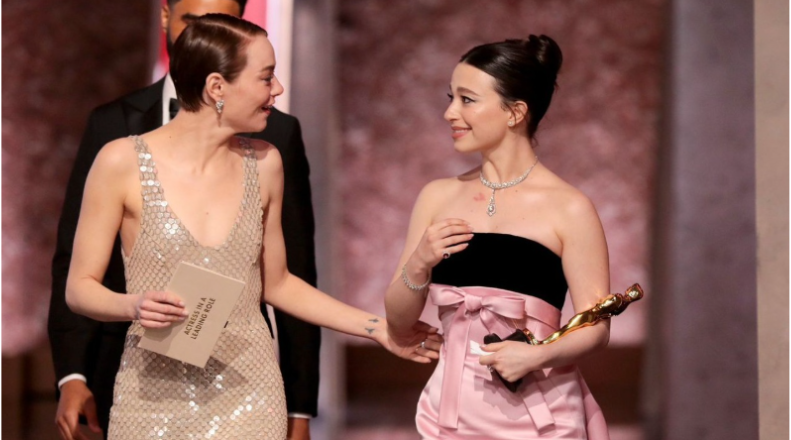
    Leading the night, Sean Baker’s comedy-drama Anora swept the Oscars, winning five out of the six nominations, for Best Picture, Best Actress for Mikey Madison, Best Director for Sean Baker, Best Original Screenplay and Best Film Editing. This series of wins places Sean Baker alongside Walt Disney for the most Oscars ever won in one night. In his acceptance speech, Baker emphasised the importance of preserving the theatrical experience, urging filmmakers to continue creating stories for the big screen.

    Emilia Pérez, directed by Jacques Audiard, made history as it garnered thirteen nominations, the most ever for a non-English language film. It won two awards, Best Supporting Actress for Zoe Saldaña and Best Original Song for the song ‘El Mal’.

    Jon M. Chu’s fan favourite musical Wicked, with a total of ten nominations, walked away with two wins – Best Production Design for Paul Tezwall, making him the first African American man to win this award, and Best Costume Design for Nathan Crowley and Lee Sandales.

    In the acting categories, Adrien Brody and Kieran Culkin delivered powerhouse performances, earning themselves the Best Actor and Best Supporting Actor awards for The Brutalist and A Real Pain, respectively. The Brutalist won again, with Daniel Blumberg winning Best Original Score and L. Crowley winning Best Cinematography.

    Conclave, directed by Edward Berger, earned the Best Writing on an Adapted Screenplay award for its gripping adaptation of Robert Harris’ mystery thriller novel.  Walter Salles’ I’m Still Here, a Portuguese film set in Brazil, took home the Best International Feature Film award.  Best Documentary Short Film was won by The Only Girl in the Orchestra, directed by Molly O’Brien, and the Best Short Film was I’m Not a Robot, directed by Victoria Warmerdam.

    In the Animation category,  the Best Animated Feature Film award went to Flow, a Latvian adventure film without dialogue directed by Gints Zilbalodis. Best Animated Short Film was taken home by In The Shadow of Cypress, directed by Shirin Sohani and Hossein Molayemi, which beautifully captures the evolving relationship between a father who struggles with PTSD and his daughter.

    Source: X/ @TheAcademy

    The documentary film No Other Land, the directorial debut of a four-Palestinian-Israeli collective of activists, Yuval Abraham, Hamdan Ballal, Basel Adra, and Rachel Szor, won the Best Documentary Feature Film award. The documentary, filmed between 2019 and 2023, depicts the destruction caused by war, resistance in the Palestinian West Bank and the growing friendship between Israeli journalist Yuval Abraham and the Palestinian activist Basel Adra.

    Dune: Part Two, directed by Denis Villeneuve, was nominated for five awards and won Best Sound and Best Achievement in Visual Effects. Also nominated for five awards was Coralie Fargeat’s body horror film, The Substance, which won the Oscar for Best Makeup and Hairstyling.

    As the curtains closed on the 97th Academy Awards, the night served as a testament that cinema goes beyond entertainment- it is a medium for bold and conscious storytelling and cultural commentary. This year’s ceremony shone the spotlight on the year’s films that highlighted the human experience and invited the global film community to reflect and yearn for more such stories.

  • The Future of AI: What to Expect in 2025

    The Future of AI: What to Expect in 2025

    The rapid evolution of AI is no joke. It has quickly gone from a futuristic concept to a tool we now use in our everyday lives. As we step into 2025, the increasing technological developments show an expansion of AI adoption in spheres across various industries. So, doctors diagnosing rare diseases in seconds or, perhaps, having robotic tutors may no longer be a dream but an everyday occurrence.

    Hybrid Working Environments & AI Agents
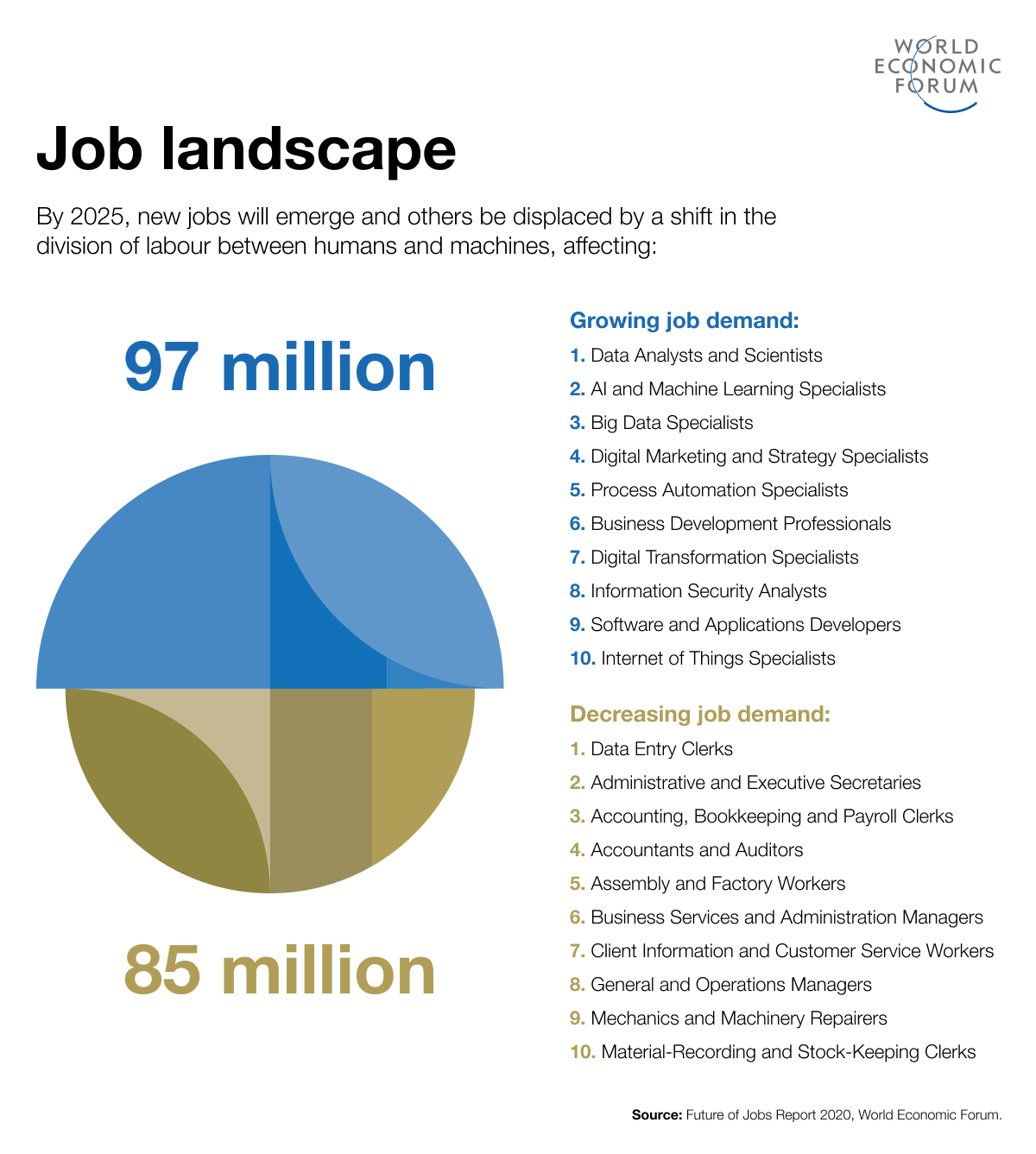
    Oftentimes, we hear talk of a decline in employment rates because of AI takeover. This year, one of the most anticipated outcomes is that there will be a hybrid working environment with increased employment of AI. According to Goldman Sachs’ CEO Marco Argenti, companies can hire AI, train them like one of their employees, and even lay them off when better tools have been developed. A World Economic Forum (WEF) report said that around 85 million jobs will be displaced by AI, but 97 million new jobs will emerge in data science, AI development, etc.

    Graph indicating the job landscape in 2025 due to AI

    Source: World Economic Forum

    AI agents have been a hot topic for quite a while. In 2024, AI Agents were integrated into the workplace, becoming more independent and autonomous. The CEO of Nvidia has declared 2025 to be the year of AI agents. AI agents will become more flexible, efficient, and productive, aiming for more personalisation and user satisfaction. While doing tasks, they will no longer be bound to just knowledge but will function with reasoning (breaking down complex questions into simple ones). John J. Hopfield and Geoffrey Hinton were awarded a Nobel Prize in Physics for similar works in this field. These agents will take the forefront in customer service, engaging in conversations with customers and giving them personalised support to resolve issues. They also come into use with marketers, as the agents can trace phone calls and chats with customers and analyse consumer data.

    AI and Cybersecurity
    Cybersecurity has an ongoing tussle, where AI can be used for cyber defence and attacks. Regarding defence, agents will continue to become an integral part of cybersecurity. Organisations can now use these agents to detect malicious attempts made over the internet using threat detection. AI will also ensure that cyber hygiene is strictly followed. The WEF says that around two-thirds of the companies aim to impact cybersecurity with AI. On the other hand, attackers use AI to create phishing schemes and hack software. Organisations must prioritise investing in strong cybersecurity frameworks powered by AI due to the increasing arms race.

    AI in Healthcare
    AI has revolutionised the healthcare industry by making things like patient scheduling more accessible. Patients will never have to worry about mishaps when scheduling appointments, as AI will do the work for them. Early detection of diseases like cancer and cardiovascular disease is also a pivotal discovery. Personalised treatment plans will also be generated by AI, which leads to rapid recovery. Through personalised medicine, AI can analyse genetic blueprints to craft tailored treatment plans, redefining patient care on an individual level. Researchers are saying virtual therapists will be available, and mental health support will become more accessible than ever before.

    Navigating the Challenges
    Ethical and regulatory concerns are paramount in AI. Many questions arise regarding privacy, bias in algorithms, discrimination, and accountability. As AI becomes increasingly integrated into our daily lives, these problems must be addressed. Companies have released codes of ethics to ensure AI is being developed safely and responsibly. This year, according to Michael Brent, Director of Responsible AI at Boston Consulting Group (BCG), AI governance will be closely monitored to ensure that the tools align with the regulations. Adhering to these rules can lower the risk of these issues and create a safer AI-based environment.

    The future of AI is not solely focused on machines and technology; it also represents a multitude of opportunities for us. AI is more than just a tool; it serves as an innovation partner. The trends we see demonstrate AI’s transformative impact across various fields, showcasing both its benefits and challenges. By embracing its potential and navigating it responsibly, AI can enhance and elevate human capabilities.

  • From Chic to Cosy: Redefining Style at New York Fashion Week

    From Chic to Cosy: Redefining Style at New York Fashion Week

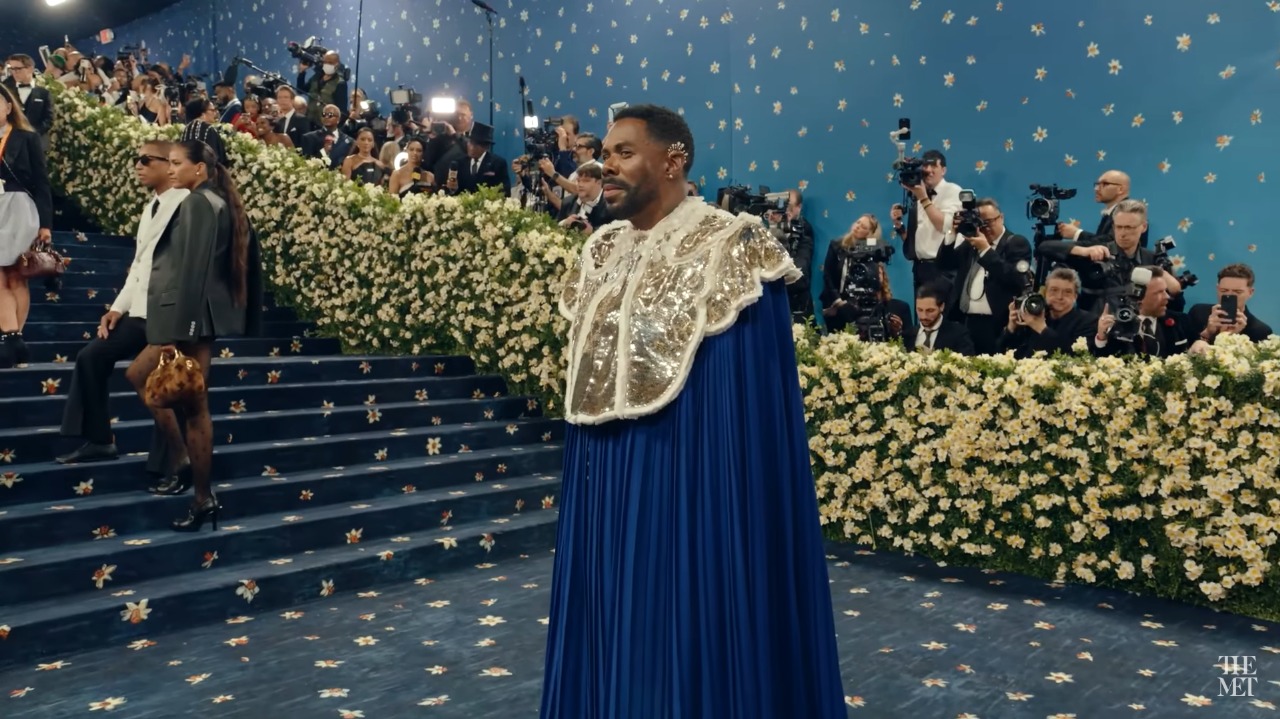
    New York Fashion Week – the semi-annual event that kicks off the season of fashion. Over the years, we have seen spectacular arrays of outfits ranging from elegance to avant-garde. This year, however, has opened up a different door of fashion for us. Bringing in mixed reviews, New York Fashion Week 2025 (NYFW 25) held from 6-11 February in Manhattan brought about fresh perspectives and collections for this year’s Fall/Winter (FW) edition.

    Arising Trends 
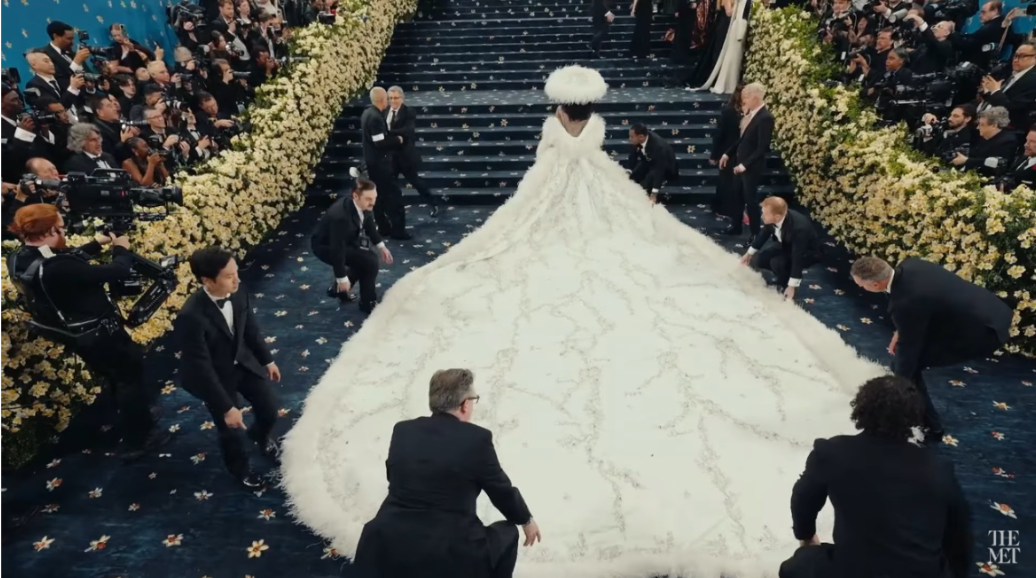
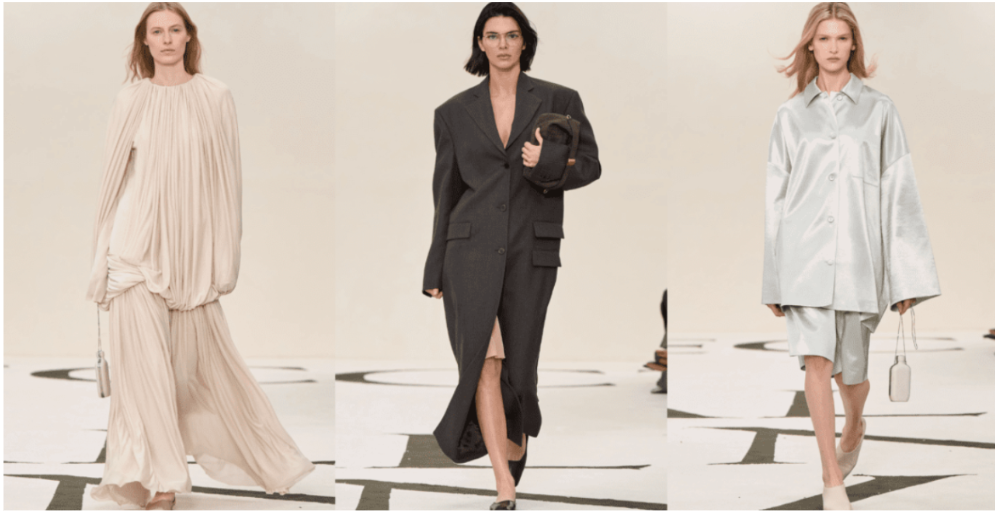
    With this year’s runway, we can see that designers are seeking more of a comfort and cosy vibe, while perfectly tying it in with style and grace. This could be because of the current state of the world, where in times of crisis, people try to seek comfort. Dramatic draping and layering are a common theme. Statement skirts with oversized pillowy silhouettes and circles draping brought in that tone of comfort. Corduroy, lace, velvet and denim were some fabrics used often. Feathers and fringe added movement to gowns, giving a sense of ethereal fluidity, while structured leather pieces brought an edgy contrast. Sheer fabrics and lace were reimagined in fresh, contemporary ways, offering a balance between delicacy and modernity. Leather gloves and jackets were styled to perfection on models representing Coach, Khaite and Tory Burch.

    Hues of warm and rich colours like beige, red, dark green and browns will become more of a staple in people’s closets. Monochrome looks also made a major impact, particularly in all-white and all-black ensembles that exuded effortless elegance. Compared to last year, more smoky makeup and bangs were seen on models. Flowers are huge this season, with organic and 3D ones embellished on dresses.

    Accessories took centre stage this season, elevating all the looks to new heights. Oversized earrings, chunky chains, and dramatic headpieces were seen across multiple runways.

    Anticipated Runways
    Veronica Leoni debuted her first collection with Calvin Klein as the new creative director, who last had their runway on NYFW six years ago. Her approach to the collection was to blend minimalism with luxury. She mixed in different drapes, layers and volumes. Tory Burch brought in sportswear, calling it ‘twisted American sportswear.’ There was knitwear, crewneck sweaters and slashed cardigans. Michael Kors wanted to appeal to an older audience and brought in fashion from the 70s and 80s. Monochromatic looks in shades of deep purple and greys reminded people of evening looks. Kaithe and Brandon Maxwell brought back leather-styled looks, with leather jackets, gloves and maxi skirts. Thom Browne closed the curtains with notions of fantasy. Birds were repeated symbols, and he explained it by saying they were symbols of freedom.

    Mixed Opinions
    This season, the reception from the critics was pretty mixed. While some thought that certain shows lacked coherence or played it too safe, others applauded the designers for their bold decisions and dedication to defying fashion conventions. Vogue interviewed a few people, including designers, critics and publicists, to get a more comprehensive idea. The week’s exuberant spirit was commended by publicist Lucien Pagès, who suggested a lively and dynamic atmosphere. Given Paris’s historical sway on New York, critic Alexander Fury suggested that the city has to improve its fashion sector even more. The success of Thom Browne’s collection and the emergence of up-and-coming designers like Luar suggested that there was room for fresh perspectives in the fashion industry. In addition, several well-known designers came under fire for failing to advance sustainability initiatives in spite of the rising demand for environmentally friendly clothing.

    The designers of this season pushed the limits of conventional fashion while embracing drama and refinement. One thing is certain as another incredible fashion week comes to an end: the upcoming year will be characterised by elegance and daring.

  • Hindenburg Research Calls it Quits: The firm that shook financial empires leaves the arena

    Hindenburg Research Calls it Quits: The firm that shook financial empires leaves the arena

    As 2025 started with a flurry of events, it also marked the end of an era. Amid controversies, the US-based short-selling firm, Hindenburg Research, which attracted worldwide interest due to its short-selling strategies, and more importantly, the reports that led to the loss of billions of dollars for the India-based Adani group, announced its decision to cease operations on 16 January 2025. The company that had charged more than 100 individuals through their work has decided to mark an end to its run.

    Founded by Nathan Anderson in 2017, Hindenburg Research was an investment research firm that exposed corporate fraud and financial scams. The short-selling stock firm grew in prominence in India and made international news after it published a report alleging that the Adani Group was involved in financial malpractices. The 30,000-word report titled ‘Adani Group: How The World’s 3rd Richest Man Is Pulling The Largest Con In Corporate History’ released in January 2023, caused international waves as it exposed the company of being involved in numerous breach of ethics, such as financial irregularities, stock manipulation, improper tax havens and high levels of debt within the company.

    In a personal note, Nate Anderson shared that they had been planning to shut down since 2024 and that there was no specific reason behind the decision. Although he cited completing all his goals as one of the reasons that led to the decision to shut down, he also mentioned how it is time for him to move on. “I now view Hindenburg as a chapter in my life, not a central thing that defines me,” he stated in the note.

    Anderson, with minimal capital, no background in finance, and three lawsuits up his sleeve, did not have an easy road to success. He went into detail about how the journey has also been intense and, at times, all-encompassing. The founder considers his journey to building the firm “nothing less than a dream.”

    The Adani saga that the Hindenburg was involved in was nothing short of a spectacle that led to Gautam Adani losing the title of Asia’s richest man, which resulted in investigations for a long time. Although the company denied all allegations, it still caused a massive sellout, wiping almost $150 billion from its stock value. Hindenburg didn’t stop at this and went on to slam allegations against the SEBI group, accusing the SEBI chief of having links to offshore hedge funds, which are allegedly linked to the multi-billion-dollar Adani Group.

    While they shook financial empires in India after the report, Hindenburg gained global attention much earlier in 2020 after they were involved in a high-profile case where they accused Nikola, an electric truck maker owned by Trevor Milton, of misleading investors about the technology they used.

    While the company has decided to cease operations and is planning on exiting, they’re far away from leaving the spotlight. According to some documents filed in a court case in Ontario, Anderson has been under scrutiny for alleged connections to hedge funds in preparing reports that targeted companies. According to the Market Frauds Portal, there has been an alleged collaboration between Hindenburg and Hanson funds in preparing reports. Due to a lack of disclosure about such a collaboration, the US Securities and Exchange Commission (SEC) could charge them with securities fraud.

    As the short-selling firm exits the scene, its legacy will remain engraved in controversies.