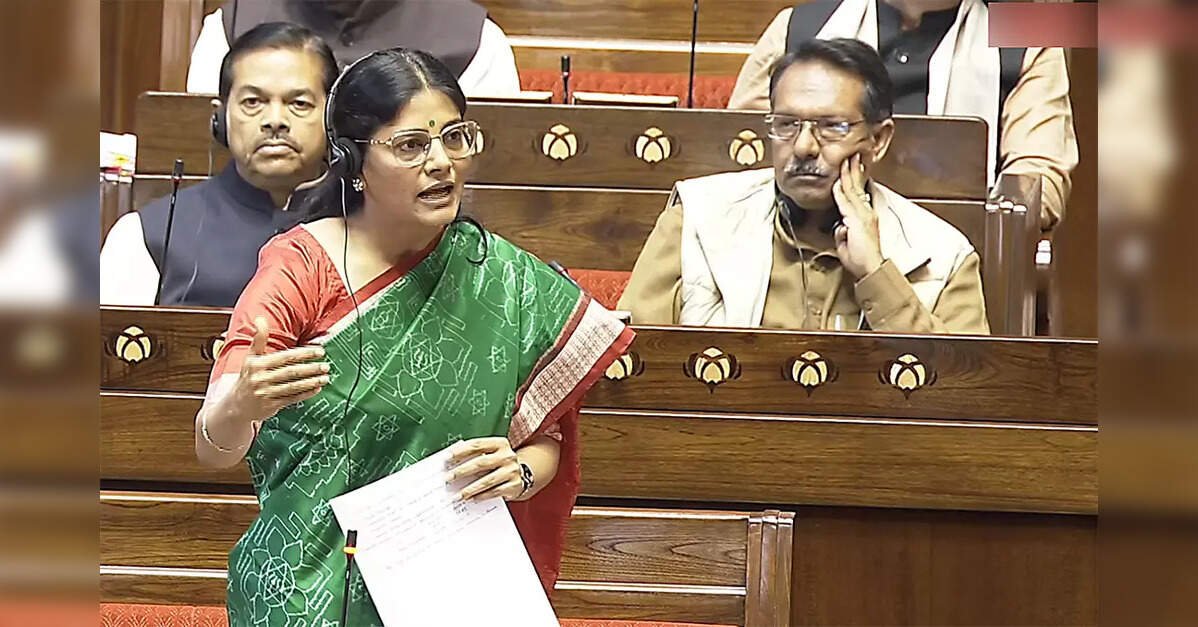
NEW DELHI: Nearly one-third of posts in the National Medical Commission (NMC), the country’s apex medical education regulator, are lying vacant, the Centre informed the Rajya Sabha on February 10, 2026.
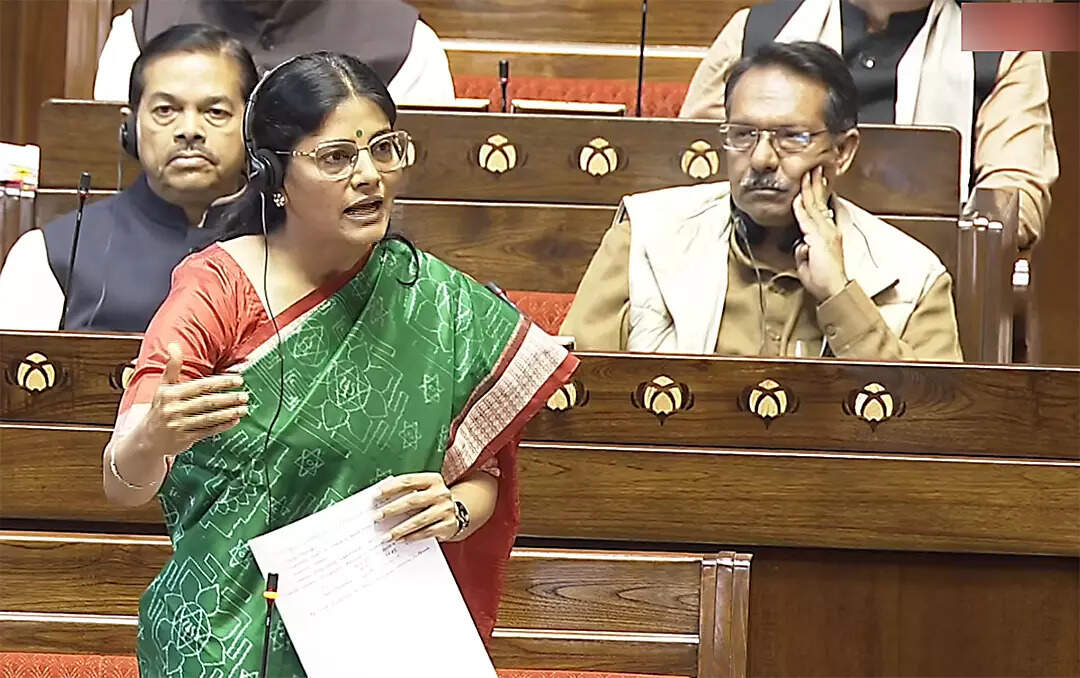
Replying to a question by Vivek K. Tankha, minister of state for health Anupriya Patel said the sanctioned strength of the NMC and its four autonomous boards is 54, of which 19 posts are vacant. At present, only 35 positions are filled across the Commission and its boards.
Within the Commission itself, out of 33 sanctioned posts — comprising the Chairman, ex-officio members and part-time members — 28 are in position. The Secretary’s post is filled. However, vacancies are more visible across the autonomous boards responsible for regulating undergraduate and postgraduate medical education, medical assessment and accreditation, and ethics and medical registration.
Parliamentary data indicate that some boards are functioning with only a limited number of members in place, with several President and whole-time member posts unfilled. These boards play a crucial role in approving medical colleges, monitoring standards of training and enforcing professional ethics.
Addressing concerns about functioning amid vacancies, the Commission informed the government that “appropriate institutional mechanisms” are in place to ensure continued discharge of statutory responsibilities under the National Medical Commission Act, 2019.
The ministry added that filling up vacancies is a continuous process and action is taken as per provisions of the Act, including issuing advertisements from time to time to fill vacant posts.
The disclosure comes at a time when India is expanding its medical education capacity, increasing the number of colleges and seats, making full staffing at the regulatory level critical to maintaining standards and oversight.>
Published On Feb 12, 2026 at 01:21 PM IST
Join the community of 2M+ industry professionals.
Subscribe to Newsletter to get latest insights & analysis in your inbox.
All about ETHealthworld industry right on your smartphone!
New Delhi, Over 13 per cent of heart failure cases among people living with diabetes in India could be linked to physical inactivity, a global study has estimated.
The findings, published in the Journal of Sport and Health Science, also show that 9.6 per cent of coronary heart disease and 9.4 per cent of cardiovascular complication cases among people living with diabetes in India could be attributed to lack of physical activity.
Globally, one in ten cases of macrovascular (large blood vessel) complications and retinopathy in people with diabetes is due to physical inactivity, researchers said.
“Diabetes complications are often seen as inevitable consequences of the disease. Our findings challenge this idea by showing that a meaningful proportion of these complications could be prevented through achievable increases in physical activity among people living with diabetes,” lead author Jayne Feter, researcher in the school of medicine at Brazil’s Universidade Federal do Rio Grande do Sul, said.
The World Health Organization (WHO) recommends at least 150 minutes per week of moderate-to-vigorous physical activity. The researchers analysed data from more than 2.3 million adults with diabetes across world regions, including South Asia.
Physical inactivity was found to account for more than 10 per cent of strokes, 9.7 per cent of diabetic retinopathy, 7.3 per cent of heart failure and around five to seven per cent of cardiovascular and coronary heart disease cases in people with diabetes.
Women and people with lower education levels were consistently seen to experience a higher proportion of complications attributable to physical inactivity, highlighting deep social inequities, the researchers said.
India is estimated to be home to more than one-fourth of the world’s diabetics, according to a 2024 study published in The Lancet journal. Complications can arise due to long-term high blood sugar, which may damage blood vessels and nerves throughout the body.
Treating complications consumes a growing share of health budgets, especially in regions already facing strained health systems, the researchers said.
“This study reframes physical activity as a core component of diabetes complication prevention. Promoting physical activity among people with diabetes could reduce hospitalisations, disability, and healthcare costs, while improving quality of life,” Feter said.
The analysis combined population-based cohort studies and national surveys with risk estimates from large international meta-analyses (analysis of multiple studies) and global physical activity surveillance systems.
“Integrating physical activity promotion into routine diabetes care and national noncommunicable disease strategies is no longer optional. Policies must be tailored to local realities and explicitly address social and gender inequalities,” co-author Natan Feter, researcher in the department of biological sciences at the University of Southern California, said.
Published On Feb 12, 2026 at 04:07 PM IST
Join the community of 2M+ industry professionals.
Subscribe to Newsletter to get latest insights & analysis in your inbox.
All about ETHealthworld industry right on your smartphone!
New Delhi: While India’s medtech startups are steadily gaining ground, with rising numbers, growing funding, and stronger policy support, experts lament that many innovators are sticking to low-hanging fruit instead of pursuing the riskier bets that could drive real disruption and unlock real value.
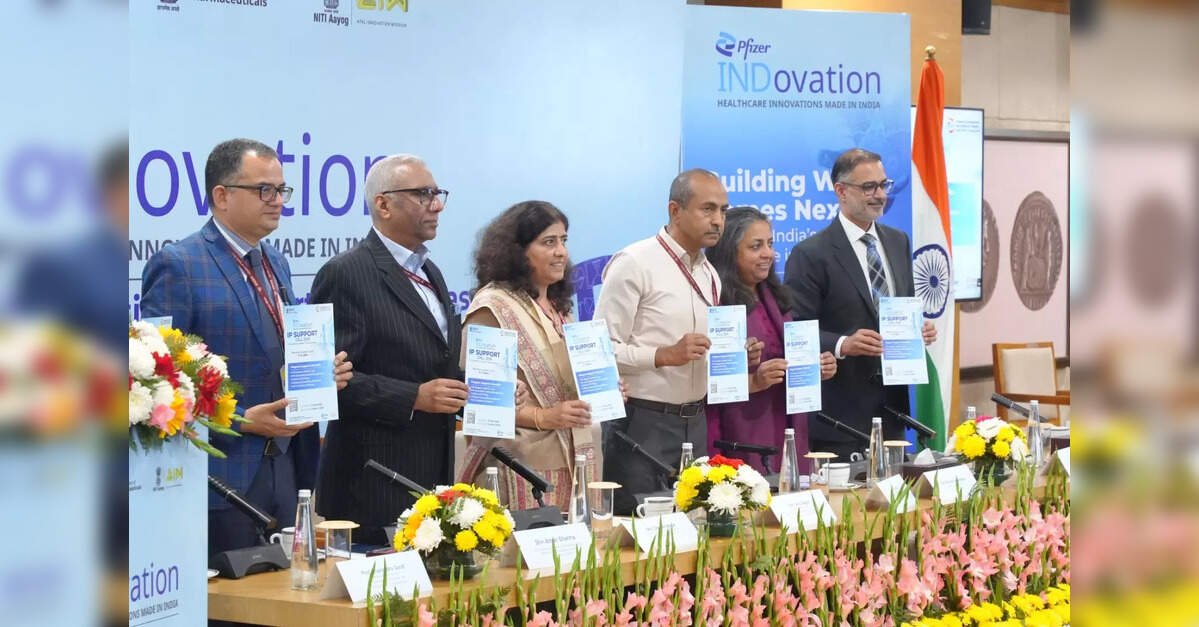
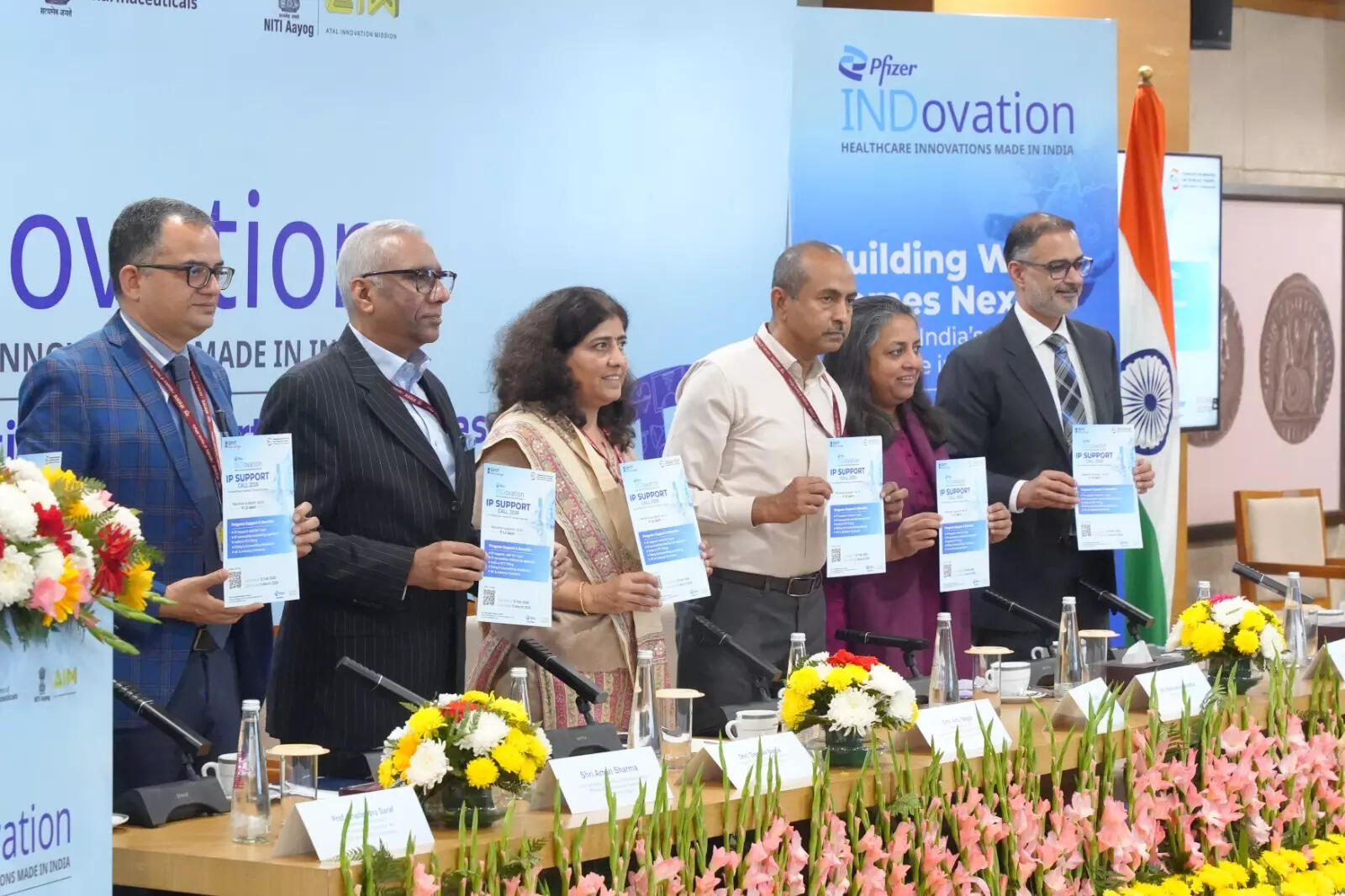
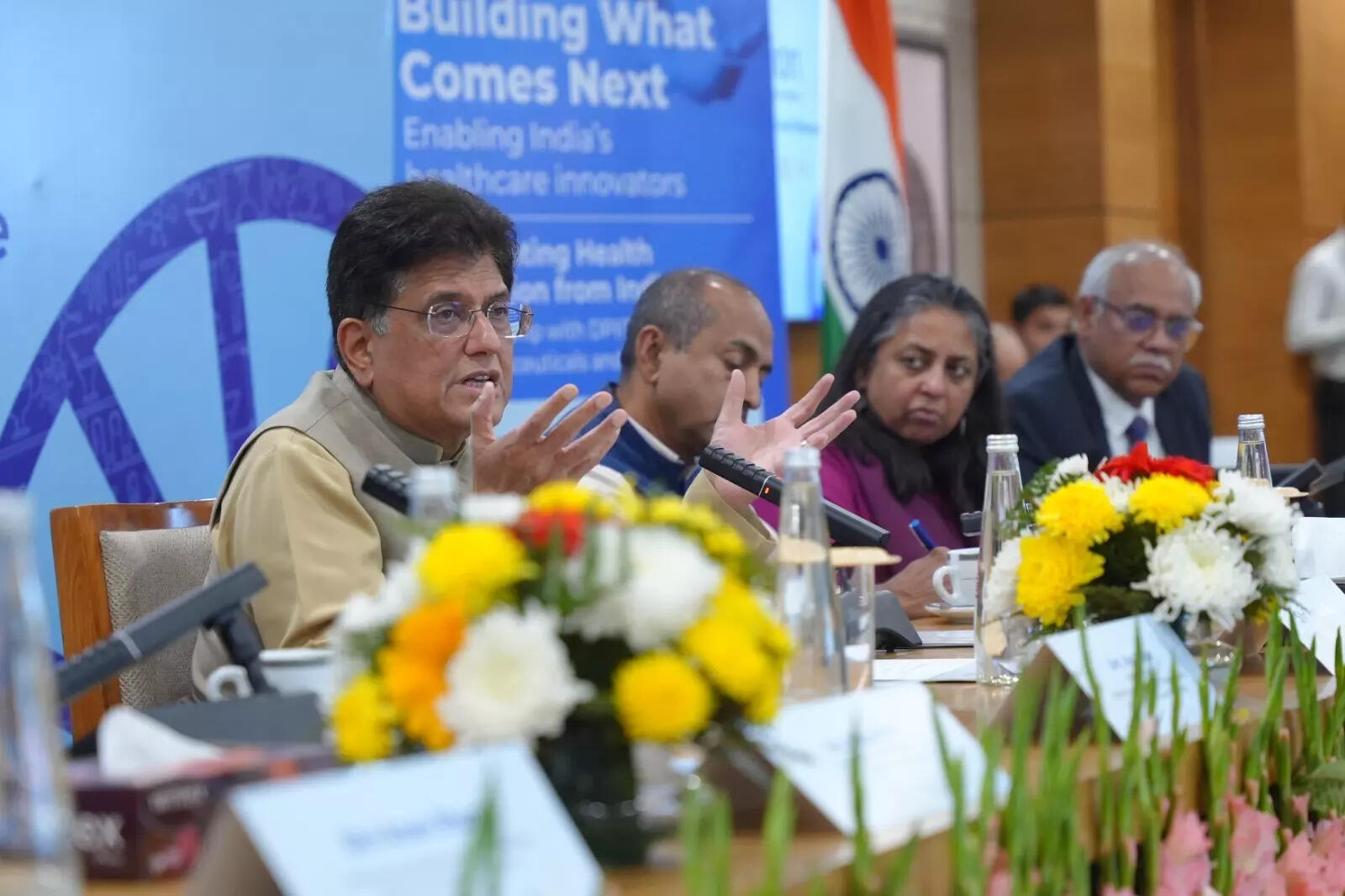
Speaking at the Pfizer INDovation Program, Dr Shailendra Saraf, Director, NIPER-Ahmedabad, said that medtech startups in India are showing promising innovations and capabilities. Yet many remain focused on “low-hanging fruit,” such as low-risk IVD kits, instead of pursuing higher-end, transformative technologies.
“Moreover, on the broader scale, 90 per cent of all pharma and medtech firms in India are purely production units with no R&D-driven operations. To unlock real value, the industry must embrace bolder, innovation-led research,” he added.
Most startups target only low-risk Class A and B devices, which keeps them exposed to competition from global giants. Part of the challenge is the stiff competition from China, where scaling at this level is difficult, Dr Saraf told ETHealthWorld at the sidelines of the summit.
“Venturing into deeper, high-tech domains could unlock untapped opportunities, yet few startups are taking that leap. The best way to do this is by striking the right balance between industry and academia, where both are interdependent on each other, he added.
Leading countries like the UK and Ireland have built robust networks with US universities—particularly Stanford—that help startups strengthen product pipelines and access top talent. In these ecosystems, students are also required to register startups as a mandatory condition for earning a PhD, Aman Sharma, Joint Secretary Department of Pharmaceuticals, sahred.
At the event, Sanjiv Singh, Joint Secretary at the Department for Promotion of Industry and Internal Trade, pointed to limited corporate investment in R&D as a key reason why deep-tech innovation remains limited.
A senior government official at the event, speaking on condition of anonymity, said that the business of high-end medtech is highly complex. Today, global giants hold as many as 400 patents for their novel products, with up to 35 patents for each component.
“Meanwhile, existing startups in India, are largely focusing on the traditional diagnostic playbook, and importing reagents from China. As a result, they lack the scope for truly frugal innovation tag that a potential investor will look to support the their commercial stages,” it added.
Under the Biopharma SHAKTI scheme announced in the recent Budget to support biopharmaceuticals, Sharma told ETHealthWorld that of the Rs 10,000 crore corpus, Rs 1,000 crore is now set aside for injectable devices.
“Such drugs require a particular dosing mechanism, and companies will be supported to build manufacturing capacities for these products,” he said.
According to government officials, as of 2025, India’s medical device imports stand at $9 billion—almost double the $4 billion worth goods exported by the domestic industry.
Besides this, India’s export basket largely features low-risk consumables such as bandages and rubber gloves, while imports include high-end critical care technologies like surgical robots, MRI scanners, and CT scanners.
Speaking at the event, Piyush Goyhal, Minister of Commerce and Industry noted that over the last three years the government has signed nine free trade agreements (FTA) that has unlocked duty free access to around 70 per cent of the global GDP and medtech startups must look to explore this opportunity.
Outlining a trend of equity dilution Goyal remarked that, by the time startups start delivering results, their founders are often left with very “low levels of equity” and are unable to reap the rewards of their own assets.
Looking at these concerns, the Pfizer INDovation Program has selected 14 medtech startups—eight for supporting ideation and six for development.
Under its CSR initiative, Pfizer has committed Rs 60 lakh to each startup, to support clinical validation, IP filing and other related aspects.
Startups selected in the development category currently hold a Technology Readiness Level (TRL) of 6 and aim to reach TRL 9 by the end of the program, with all of them deployed in real-world settings.
One of these projects includes an AI-assisted early gastric cancer detection Software as a Medical Device (SaMD) solution developed by RNT Health Insights.
Notably, the device has recently received US FDA Breakthrough Device designation, opening the fast-track approval pathway for the lucrative device market.
Ria Khurana, the startup co-founder, shared that the device works on a deep learning algorithm to detect cancer at an early stage and has outperformed gold-standard endoscopy tests in terms of efficacy.
In a trial of 250 people at PGI Chandigarh, the device demonstrated 96 per cent efficacy compared to endoscopy. The trial results are yet to be published in any peer-reviewed journal.
The other startups selected by the US giant for mentorship included Cervicheck, Utopic Tech, AiSteth and 10 others.
Pfizer also announced the launch of an IP protection program, committing Rs 2 lakh each for 20 selected startups to help cover IP filing fees and other expenses, for securing and safeguarding their innovations.
Published On Feb 12, 2026 at 07:27 PM IST
Join the community of 2M+ industry professionals.
Subscribe to Newsletter to get latest insights & analysis in your inbox.
All about ETHealthworld industry right on your smartphone!
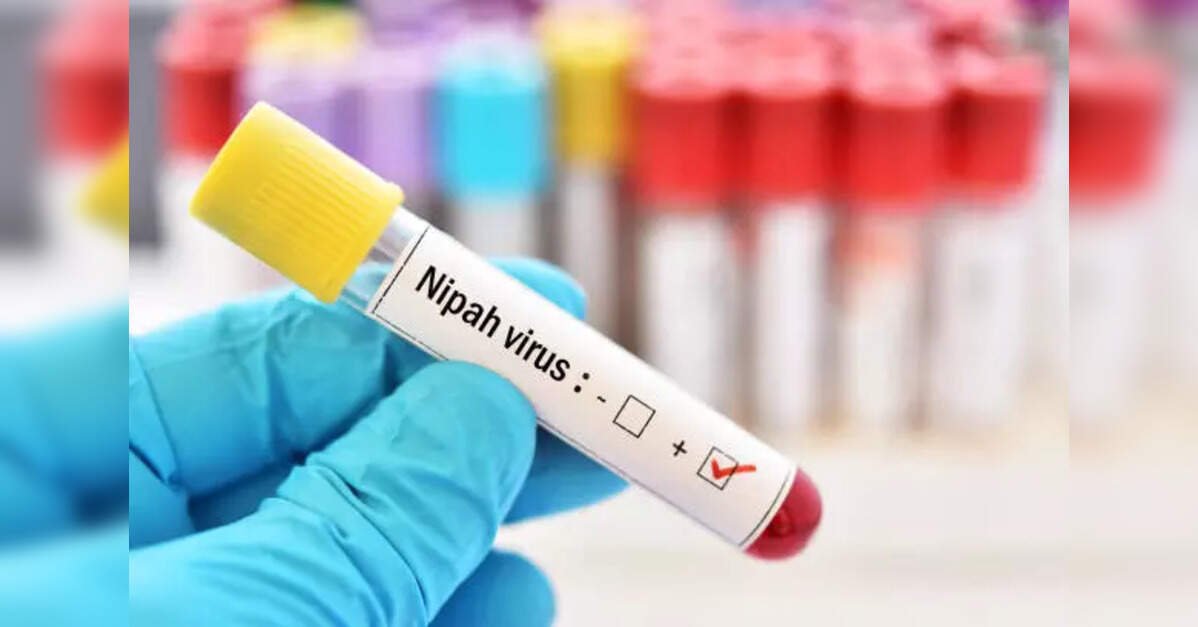
Kolkata: A nurse who had recovered from Nipah virus infection died of cardiac arrest at a private hospital in West Bengal’s Barasat on Thursday, a state health department official said.
The woman had been in a prolonged coma, which severely affected her immunity, and later developed a lung infection. She had been taken off ventilator support at the end of January.
“She died of cardiac arrest this afternoon. Though she had recovered from Nipah infection, she was suffering from multiple complications,” the official said.
Two confirmed cases of Nipah Virus disease have been reported from West Bengal since December, according to reports from the National Centre for Disease Control (NCDC). The other one, a male nurse, has been cured of the disease.
The deceased, who was a resident of Katwa in Purba Bardhaman district, also contracted a hospital-acquired infection during treatment.
“She was trying to regain consciousness, move her limbs, and speak before her condition suddenly deteriorated. She died at around 4:20 PM,” he said.
The nurse had first fallen ill in early January after returning home on December 31 for the New Year holidays and was initially admitted to Burdwan Medical College and Hospital before being shifted to the private hospital in Barasat.
The Union Health Ministry said, “Out of the two Nipah positive cases reported from West Bengal on January 11, 2026, one of the nurses who was critically ill and was under intensive medical care passed away today due to cardiac arrest in the hospital where she was under treatment.”
The ministry had earlier said that speculative and incorrect figures about Nipah Virus Disease (NiVD) cases were being circulated in certain sections of the media.
It had said that following confirmation of these two cases, the Centre, in close coordination with the West Bengal government, initiated prompt and comprehensive public health measures in accordance with established protocols.
“A total of 196 contacts linked to the confirmed cases have been identified, traced, monitored, and tested. All traced contacts have been found asymptomatic and have tested negative for Nipah Virus Disease,” the ministry had said in its earlier statement.
Enhanced surveillance, laboratory testing, and field investigations were undertaken through coordinated efforts of Central and state health agencies, which ensured the timely containment of the cases, it had added. PTI
Published On Feb 13, 2026 at 07:26 AM IST
Join the community of 2M+ industry professionals.
Subscribe to Newsletter to get latest insights & analysis in your inbox.
All about ETHealthworld industry right on your smartphone!
Once defined by its military aerospace strength, Russia is now channelling its scientific expertise into healthcare with artificial intelligence (AI) driving breakthroughs in diagnostics, drug discovery and personalised cancer treatment. By harnessing artificial intelligence, the country is making significant advancements in diagnostics, drug discovery, and personalised cancer treatment, positioning itself as a rising force in healthcare innovation.
The global AI in medicine market is currently valued at $22 billion, with Russia’s share already at 12 billion rubles. Analysts predict explosive growth, forecasting the global market to reach $130-160 billion and the Russian market to hit 78 billion rubles by 2030. The explosive growth is an example of the successful embedding of the rapid integration of AI and medicine
A prime example of successful implementation comes from Russian ophthalmology. The Krasnov Research Institute of Eye Diseases is using AI to diagnose, monitor, and treat retinal diseases, a crucial innovation for an ageing population. Similarly, developing personalised vaccines for colorectal cancer is seen as a significant achievement in the medical field. Imagine an ophthalmologist in Moscow not just depending upon his own trained eye but adding an AI that can deduce the patient’s retina with superhuman precision. AI, when used as a significant tool in diagnosis, can do wonders once blended with the trained expert’s eyes.
Russia has identified AI as a crucial area for Strategic Development. Institutes such as Skovo Institute of Science and Technology are working on developing AI in drug discovery and medical image analysis. AI is commonly used to analyse X-rays, CT scans, and MRIs. In Oncology, Russian researchers are developing personalised vaccines for colorectal cancer. AI models analyse tumour genetics, identify unique cancer antigens, nd design vaccines tailored to each immune system. This makes the treatment more individualised rather than following a generic treatment process with a one-size-fits-all approach.
However, the implementation of AI in healthcare comes with risks, as mistakes can threaten the lives of patients. AI models can sometimes distort data or fail to understand context. Mitigating these risks requires rigorous testing and significant investment.
The following 3-5 years are seen as decisive. For Russia to succeed, companies must develop a careful strategy that includes managing investor expectations, ensuring high-quality data to train AI models, and creating testing platforms to get feedback from doctors. Those who can bring clinically validated solutions to market first will set a new standard for medical care in Russia and beyond. However, no matter how real the potential is, the proof and science will only be considered after successful large-scale clinical trials. The world is looking for better solutions and medicines. The use of AI by superpowers in the medical field, rather than warfare, is definitely an effort that is being globally applauded.
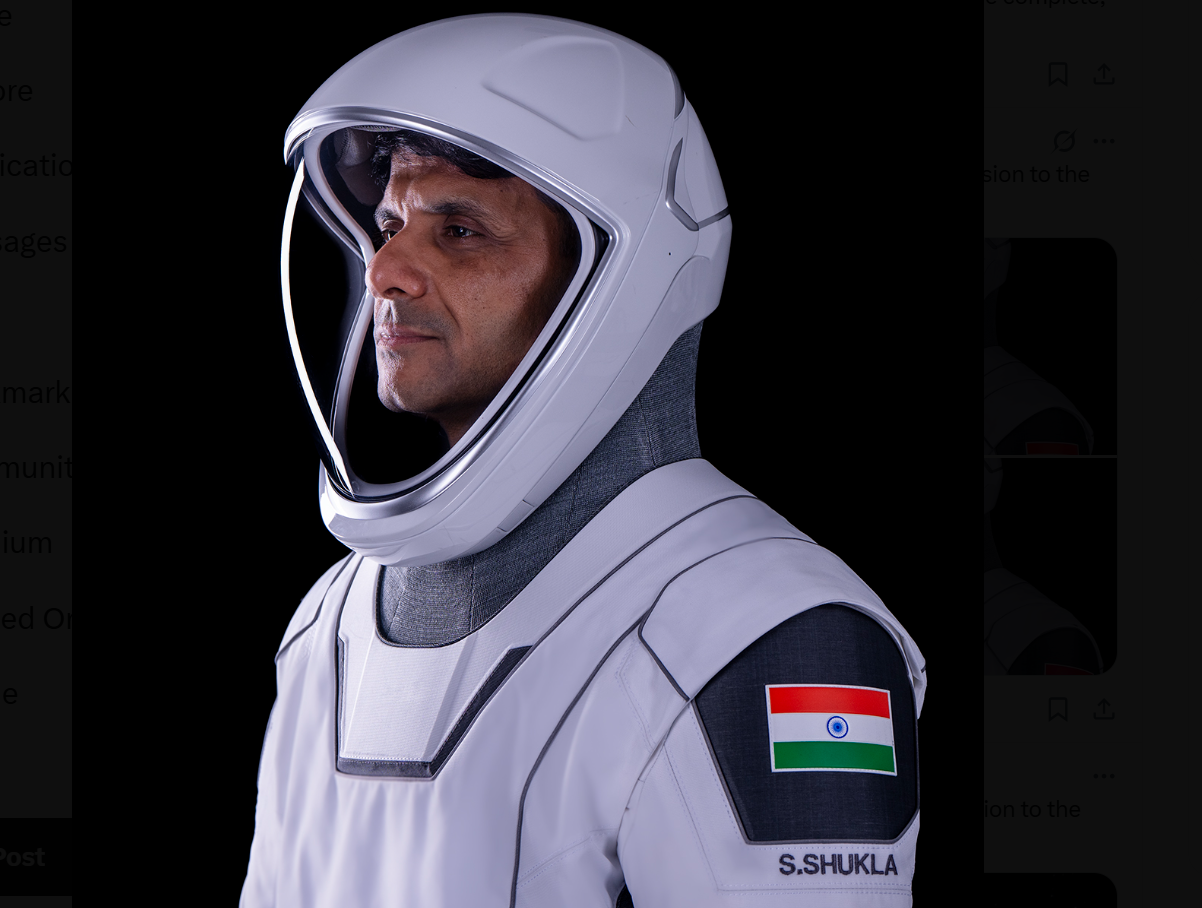
On June 26 2025, the SpaceX Dragon capsule docked with the International Space Station (ISS), and Shubhanshu Shukla made history by becoming the first Indian to step into the orbiting laboratory and the second Indian national to reach space, since Rakesh Sharma in 1984.
Ahead of his arrival, Shukla sent out a message in which he said, “The Tiranga (Tricolour) embossed on my shoulders tells me that I am with all of you…Together, let’s initiate India’s Human Space Programme. Jai Hind! Jai Bharat.”
After multiple delays, the Axiom-4 (Ax-4) mission was finally launched on 25 June at 2:31 a.m. Eastern Time (12:01 p.m. IST). The mission consisted of a government-sponsored crew and was launched by Axiom Space in partnership with SpaceX and NASA. India has paid around $70 million to commercial space company Axiom for a seat in the space mission to the ISS.
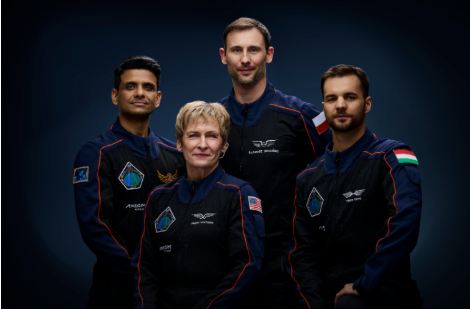
Joining Shukla were American veteran astronaut Peggy Whitson, Polish engineer Sławosz Uznański-Wiśniewski and Hungarian researcher Tibor Kapu. This is the first time that astronauts from India, Poland and Hungary have travelled to the ISS.
Shubhanshu Shukla / Source: X / SpaceX
The two-week-long mission aims to conduct approximately 60 experiments on behalf of 31 countries, including the astronauts’ home countries as well as Saudi Arabia, Brazil, Nigeria and so on. The experiments range from studying the effects of microgravity on diabetes and muscle atrophy to microgravity farming of fenugreek and green gram, and exploring cyanobacteria for potential life-support systems.
This mission marks a huge win for India, as it allows the country to contribute towards advanced research and innovation, further strengthening its position in the international space exploration arena.
Shuhanshu Shukla’s participation marks a moment of renewed confidence in India’s space ambitions, as India plans to launch Gaganyaan in two years. This will be its first manned mission, making it the fourth country in the world to achieve this feat.
Shukla was announced to be among the four astronauts selected to man the Gaganyaan mission by Prime Minister Narendra Modi on 27 February 2024 at ISRO’s Vikram Sarabhai Space Centre in Thiruvananthapuram. He began his journey towards space exploration in 2019 when he was selected as an astronaut by the Institute of Aerospace Medicine (IAM), which is a part of the Indian Air Force’s Human Spaceflight Programme. IAM and ISRO eventually shortlisted him for the final four.
“This is not the beginning of my flight. This is the beginning of India’s human spaceflight efforts. I am with you all. You can be part of this journey, feel the energy, and share in this mission.” — Shubhanshu Shukla, ten minutes after launch, as the capsule entered orbit.
Since 2022, India and the USA have actively worked towards building both economic and technological cooperation through a collaborative framework, namely, the Initiative on Critical and Emerging Technologies (iCET). Under iCET, the two countries have discussed the possibility of joint manned spaceflights. Shukla has further helped to prove that this possibility can be turned into reality soon.
This mission also provides India with direct information and hands-on experience on modern, crewed spaceflights; this includes knowledge of docking operations, life-support systems and real-time mission operations aboard the ISS. Detailed insights into the functioning of the ISS will also help the development of the Bharatiya Antariksha Station (BAS), India’s planned indigenous space station, which is set to launch in the 2030s.
Furthermore, as noted by the Republic, by collaborating with Polish and Hungarian astronauts aboard a US-operated spaceflight, Shubhanshu Shukla represents India as a bridging force between the Western Alliances and the Global South.
Thus, this launch is not only a scientific breakthrough for Indian space exploration, but also a socio-political and economic opportunity for India to prove its standing in a competitive global space landscape. As Gaganyaan approaches and India is inching towards building its own space station, India’s space footprint is laying the groundwork with each mission.