Category: Environment

  • Darjeeling’s Mandarin Oranges receive the GI tag

    Darjeeling’s Mandarin Oranges receive the GI tag

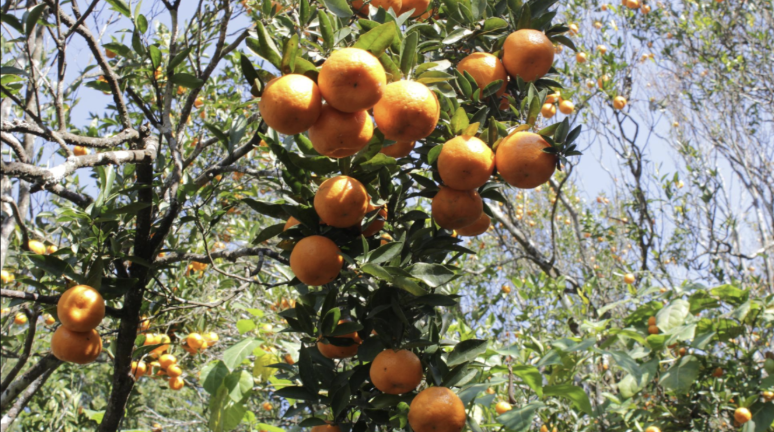
    After nearly 15 years of declining yields, pest infestations and soil-related setbacks, Darjeeling’s iconic mandarin oranges have received a much-needed lifeline. On 24 November 2025, the fruit was granted the Geographical Indication (GI) tag- a move that could potentially revive its cultivation and restore the economic confidence of farmers across the hill region. The recognition was granted by the Geographical Indications (GI) Registry, which operates under the Department for Promotion of Industry and Internal Trade (DPIIT), a part of the Ministry of Commerce and Industry (MoC&I). The GI proposal was initiated by Tulsi Saran Ghim, a former professor at Uttar Banga Krishi Viswavidyalaya (UBKV).iray in August 2022, but was shifted to the hands of Darjeeling Organic Producer Organisation (DOFPO) in August 2024; the applicant was shifted from UBKV to DOFPO so that legal ownership rested in the hands of local farmers.

    The Darjeeling mandarin orange, locally referred to as ‘suntala’, is renowned for its distinctive aroma and delectable sweetness. It is grown in the hills of Darjeeling and Kalimpong due to the favourable climate and soil composition. However, the cultivation of the fruit has recently faced challenges due to infections from the virus Citrus Tristeza and pests like aphids and fruit flies, which cause more harm. The GI recognition is hoped to aid the cultivation of the fruit by enabling farmers to receive better prices and garner a greater market value, opening up doors to not just national but also international markets.

    The Darjeeling Mandarin oranges are the 11th agricultural/horticultural GI from West Bengal and the latest hill product to garner legal recognition apart from the Darjeeling Tea and Dalle Khursani chilli. The oranges stand alongside globally recognised products like Champagne in France, Parmigiano Reggiano and Parma ham in Italy, Scotch whisky from Scotland, which are all GIs that have turned their origin stories into powerful brands. These examples illustrate what is at stake for Darjeeling’s oranges. If Bengal supports its GIs with strong economic and marketing strategies, the oranges can follow the same renowned path as Champagne or Darjeeling Tea, making them a brand of their own.

    A GI (Geographical Indicator) tag is a form of intellectual property that identifies products originating from a specific place and possesses qualities or a reputation essentially linked to that geographical region, thereby legally protecting the product and ensuring its quality. It prevents unauthorised use, assures authenticity and boosts the economic prosperity of the local producers. The GI tag is granted under the Geographical Indications of Goods (Registration and Protection) Act, 1999, in India. The recognition is valid for only 10 years, after which the registration must be renewed; failure to do so results in the lapse of registration, stripping the product of its GI status.

    GI tags allow producers to charge premium prices for their goods in domestic and international markets. The tag also grants authorised producers exclusive rights to produce the product, thereby preventing low-quality or counterfeit products from tarnishing the original product’s name – protecting the authenticity of the genuine product. GI tags also encourage traditional skills of the producers and region-specific methods, which might otherwise be lost due to mass-production alternatives. Regions with famous GI products attract curious tourists interested in local culture and goods. These products also draw visitors to lesser-known areas often overlooked by typical tours.

    India currently has more than 650 registered GI-tagged products, many of which, such as Darjeeling Tea, Basmati Rice, and Madhubani Paintings, are internationally recognised. These registrations include handicrafts, agricultural products, food items, manufactured goods and other natural products which aim to safeguard the regional specialities of India. The Darjeeling Tea was the first Indian product to receive a GI tag in 2004-05, becoming a reference point for later registrations. Currently, Uttar Pradesh has the most significant number of GI-tagged products in India, with 77 GIs as of 2025, surpassing Tamil Nadu (74 products) and Karnataka (46-48 products). It is a proud moment for the Darjeeling farmers as it will provide better opportunities to remunerate their hard work

  • Atmospheric CO₂ Surges to Record High: A Major Shift in the Planet’s Climate System

    Atmospheric CO₂ Surges to Record High: A Major Shift in the Planet’s Climate System

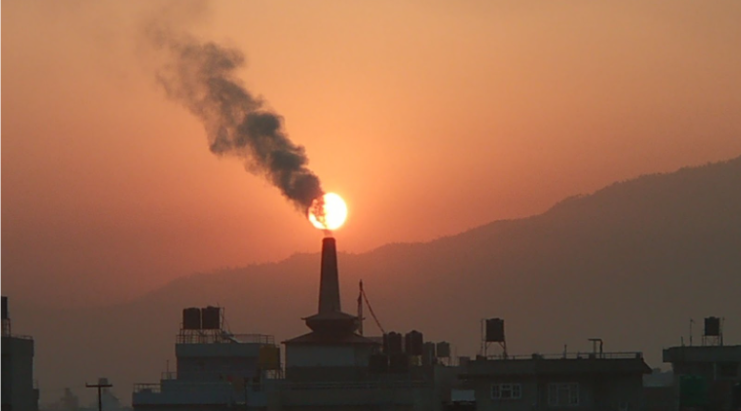
    In a sobering reminder of the climate crisis, global carbon dioxide (CO₂) emissions and atmospheric levels have reached all-time highs, indicating a dangerous path ahead. Two recent reports from the World Meteorological Organization (WMO) and the International Energy Agency (IEA) present a grim picture: despite significant advances in renewable energy, our planet is still releasing more fossil carbon than ever before.

    According to the WMO, atmospheric CO₂ levels increased by about 3.5 parts per million (ppm) between 2023 and 2024. This is the largest one-year rise since systematic measurements started in 1957. As a result, the global mean CO₂ concentration reached around 423.9 ppm in 2024, roughly 152% of pre-industrial levels. Meanwhile, the IEA estimates that energy-related CO₂ emissions reached a new high of about 37.8 gigatonnes (Gt) in 2024.

    So, why is this happening, and why is it concerning? There are three driving factors for this: an increasing dependence on fossil fuels, rising demand for energy sources and weakening natural carbon sinks.

    Despite significant growth in solar, wind, and other low-carbon technologies, fossil fuels still make up most of the global energy mix. The IEA reports that in 2024, emissions from fuel combustion increased by about 1 %. Meanwhile, emissions from industrial processes fell slightly, by about 2.3 %. Specifically, natural gas emissions increased by 2.5 % and coal emissions increased by 0.9 %. These figures show a complicated picture: although clean energy is expanding quickly, it mainly works alongside fossil-fueled sources instead of replacing them.

    The IEA calculates that about 80 % of the growth in emissions in 2024 is attributed to an increase in temperature-driven electricity demand. In India and China, record heat-waves caused dramatic spikes in power consumption, such as through air-conditioning and industrial use, prompting utilities to increase coal and gas-fired plants to cater to the demand. The WMO points out that the time was also when the 2023/24 El Niño episode took place, which pushed back the growth of vegetation and enhanced fire activity, thereby limiting the Earth’s capacity to take up CO₂.

    Arguably, the most dangerous indicator is the falling effectiveness of natural carbon sinks. WMO estimates that half of all CO₂ emitted by humans is typically taken up by land and oceans, but their uptake has failed in recent years. The chain reaction is worrying: warmer temperatures lead to drier soil and stressed forests, which leads to more wildfires and reduced absorption. This entire chain emits more CO₂ in the atmosphere, creating additional warming. Research indicates that the land-sink collapsed substantially in 2023.

    To reverse this alarming rise in emissions, the world needs to act decisively on multiple fronts. First, there must be significant cuts in the use of fossil fuels, especially coal and gas, for industry and energy production. New all-time highs for global yearly emissions show that we are not yet turning the corner, even though progress is being made. Grid/storage infrastructure, renewable energy, and other clean technologies must expand quickly to meet and replace existing demand. The heat-driven spike in demand emphasises how important energy efficiency is to reducing global warming. Energy efficiency systems need to be brought out, especially in buildings, transportation, and heating and cooling systems. Forests, peatlands, and mangroves are examples of natural carbon sinks that must be preserved and restored because their current capacity appears to be limited.

    The recent record in CO₂ emissions is not a temporary issue. While the shift to clean energy is happening, it is not fast enough to end our reliance on fossil fuels. Without a significant increase in efforts to reduce demand and improve natural carbon sinks, the warming we have already caused may result in climate changes that exceed our worst fears.

  • Maharashtra Government Imposes Size Limits on Fish to Safeguard Marine Life

    Maharashtra Government Imposes Size Limits on Fish to Safeguard Marine Life

    The Maharashtra government has implemented a series of stringent norms aimed at curbing the capture and sale of juvenile fish along the state’s coastline. Officials assert that it is crucial to protect marine biodiversity and ensure the long-term sustainability of the fishing industry.

    Minimum legal size (MLS) is a key tool in fisheries management, widely used in Europe and Australia, to protect fish from being caught before they have spawned. The MLS curbs are being enforced following increased catches of juvenile fish in recent years.

    The new regulations introduce minimum legal sizes (MLS) for 54 commercially important fish species. The decision was developed with inputs from the Central Marine Fisheries Research Institute (CMFRI), which prohibits the catching and marketing of fish below a specific length, to prevent depletion of breeding populations. Maharashtra has become the third state, after Kerala and Karnataka, to implement MLS regulations for fish.

    A stricter ban on juvenile fishing during the recent monsoon led to a sudden rise in the overall catch during the post-monsoon season, prompting this decision. State Minister of Fisheries and Ports Development, Nitesh Rane, chaired a review meeting on the MLS of fish and the ongoing conservation measures to curb juvenile fishing of the Indian silver Pomfret, which is also the state’s official fish. He emphasised the need for a large-scale awareness and compliance campaign to ensure the effective implementation of MLS norms, which are also vital for the sustainability of the species and the livelihood of the fishing community.

    According to the revised guidelines, the minimum catch size for species such as silver pomfret and Indian mackerel has been fixed at 13.5 cm and 14 cm, respectively, Bombay duck at 18 cm, and spotted seer fish at 37 cm. Several prawn species also fall under the new size restrictions. Officials said the decision was taken after studies revealed that the premature capture of young fish was severely affecting the spawning cycle and future catch volumes.

    A poster detailing the sizes of various fish types was released to raise awareness among fishermen, traders and coastal communities about conserving juvenile fish and adhering to MLS guidelines for long-term fisheries sustainability.

    The decision marks a crucial step in Maharashtra’s efforts to balance economic interests with ecological responsibility. By regulating the capture of juvenile fish, the government aims to protect natural breeding, maintain marine food chains, and ensure the livelihoods of people in coastal areas remain sustainable for future generations.

  • High Seas Treaty to Come Into Effect After Crossing the Ratification Threshold

    High Seas Treaty to Come Into Effect After Crossing the Ratification Threshold

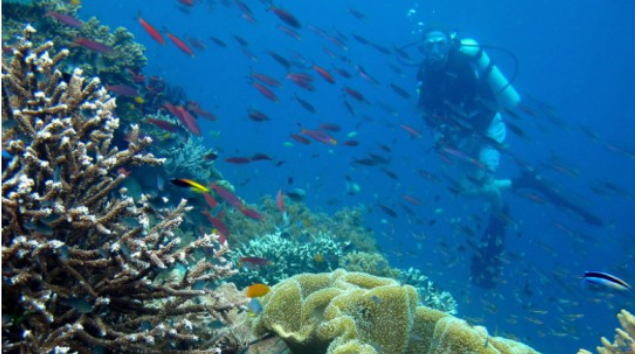
    On 19 September 2025, in a landmark development for ocean governance, the UN High Seas Treaty (BBNJ Agreement), secured the minimum 60 ratifications required for it to officially come into force by January 2026. With this achievement, the treaty is now on track to become legally binding, marking a major step forward in international environmental governance. Morocco became the 60th country to deposit its ratification instrument, triggering the 120-day countdown to the treaty’s entry into force. On the same day, Sierra Leone also deposited its ratification, becoming the 61st party to the agreement.

    Formal negotiations over the treaty began in 2018 and the draft was finalised in 2023. Previous discussions spanned across 20 years, driven by concerns over the unchecked exploitation of marine resources and the absence of a unified legal framework. The progress was slow due to differing national priorities over issues like resource sharing, fishing rights, and industrial activities in international waters.

    What this treaty aims to do
    The treaty was designed to tackle some of the most pressing threats to ocean health. One of these includes the creation of marine protected areas (MPAs), which are large stretches of international water designated to act as conservation zones. Human activities are strictly controlled, limiting activities such as fishing and breeding. Environmental Impact Assessments (EIAs) will also be made mandatory. Any major activity proposed in the high seas, such as deep-sea mining or industrial fishing expansion, will need to undergo detailed assessments, and parties must also keep under surveillance the impacts of any activities in areas beyond natural jurisdiction which they authorised or engage in.

    The treaty also addresses the growing importance of marine genetic resources, which are products from marine organisms carrying hereditary information, such as genes, and have the potential to be used in medicine, food, cosmetics, etc. The resources can cause issues with sustainability and equal accessibility of resources. The agreement also prioritises capacity development and technology transfer. Developing nations do not have the financing and technology to engage fully in high seas management. The agreement thus contains commitments to offer training, capital, and access to new technologies, allowing all nations to contribute actively to the monitoring, conservation, and sustainable management of the seas.

    All of these measures aim to support the global “30×30” target, which is the commitment to conserve at least 30 percent of the world’s land and sea by 2030. Since the high seas make up nearly half of the planet’s surface, the treaty is considered essential for achieving this target and reversing the fast decline of global biodiversity.

    Global Reactions
    Many advocates have pointed out that this treaty is one of the strongest demonstrations of collective will to take action against climate change since the Paris Climate Agreement. For small island nations and coastal states, which are among the most vulnerable to the impacts of ocean degradation, the treaty is seen as a lifeline for both biodiversity and livelihoods.

    However, there exists the challenge of ensuring the treaty is applied effectively across all regions, particularly in waters where industrial fishing and resource extraction are lucrative.

    Looking Ahead
    While the treaty’s entry into force is a breakthrough, its success will depend heavily on implementation. Countries that have ratified it will need to translate commitments into national laws, strengthen monitoring of their fleets, and coordinate with existing regional and sectoral bodies. Financing, transparency, and enforcement will be constant challenges.

    Another crucial test will be participation. Some major maritime powers have not yet ratified the treaty, raising concerns about the consistency of enforcement across the high seas. Nonetheless, the agreement creates momentum and pressure for broader adoption in the years ahead.

  • Russia’s Kamchatka Hit by 8.8 Magnitude Earthquake; Pacific Nations on Tsunami Alert

    Russia’s Kamchatka Hit by 8.8 Magnitude Earthquake; Pacific Nations on Tsunami Alert

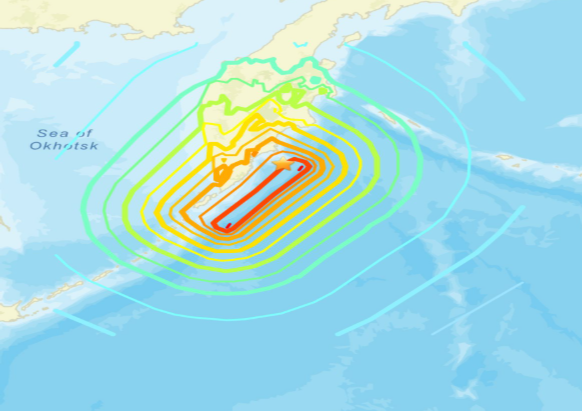
    The United States Geological Survey (USGS) stated that the quake was at 23:24 UTC (05:54 IST, 30 July), some 119 km southeast of Petropavlovsk-Kamchatsky, an urban municipality in Kamchatka Krai. The earthquake was of relatively shallow depth of 19 kilometres, which maximises its capability to cause surface effects.

    The quake struck near Petropavlovsk-Kamchatsky, close to a volatile underwater fault line where tectonic plates constantly battle for dominance — the Kuril-Kamchatka Trench, infamous for past megaquakes.

    The ground trembled. Sirens cried out. Millions rushed to the top. A strong 8.8-magnitude earthquake off the Kamchatka Peninsula in Russia late 29 July sent shockwaves across the Pacific Rim and prompted widespread tsunami warnings from Chile to Japan. The quake, which was one of the most powerful in more than ten years, triggered a worldwide series of evacuations, emergency responses, and a tense wait for impact.

    Epicentre and Geological Details 

    The United States Geological Survey (USGS) stated that the quake was at 23:24 UTC (05:54 IST, 30 July), some 119 km southeast of Petropavlovsk-Kamchatsky, an urban municipality in Kamchatka Krai. The earthquake was of relatively shallow depth of 19 kilometres, which maximises its capability to cause surface effects.

    The quake struck near Petropavlovsk-Kamchatsky, close to a volatile underwater fault line where tectonic plates constantly battle for dominance — the Kuril-Kamchatka Trench, infamous for past megaquakes.

    Tsunami Warnings and Evacuations

    In less than ten minutes, the Pacific Tsunami Warning Centre (PTWC) came online and sent out warnings for countries in the Pacific, including French Polynesia, Japan, Chile, Hawaii, California, Alaska, Ecuador, Peru, and Colombia. Among the coordinated responses were that  Japan evacuated almost 2 million people from coastal prefectures; one person died due to the evacuation efforts. In the coastal areas of Chile, the evacuation involved more than a million people due to “red alerts”.   Hawaii declared an emergency, closed ports, rerouted traffic, activated statewide sirens, and opened public shelters.

    Western U.S. states, ranging from California to British Columbia, issued tsunami advisories; Crescent City in Northern California issued a warning about potential wave amplification due to underwater topology, despite the fact that actual wave heights were recorded at just over 1 foot (~0.3 m).

    By 31 July, the majority of regions had reduced or revoked warnings; Chile remained on alert, New Zealand kept coastal areas off-limits, and other countries adopted cautious advisory stances.

    The United Nations Office for Disaster Risk Reduction (UNDRR) attributed the quick, synchronised response of the governments and the emergency services to “effective early warning systems and evacuation protocols.”

    Initial Impact and Damage Reports 

    Even though the earthquake was very powerful, no fatalities have yet been reported as of August 3. Russian officials in the Far East reported minor injuries, minor damage to buildings and power supply disruption in certain areas. Kamchatka Krai and portions of Sakhalin Oblast are yet to be physically inspected.

    Russian rescue forces were sent during the night, and the local authorities declared a state of heightened alert. However, the isolation of the epicentral region most likely limited casualties.

    Nuclear and Military Facility Concerns

    What rattled beneath the surface may have shaken more than just the earth. Some of Russia’s most classified military facilities, including naval bases thought to contain nuclear submarines, were dangerously close to the epicentre. As international intelligence services step up satellite surveillance in search of any indication of structural damage or compromised security, the Russian Defence Ministry’s silence has only stoked rumours. The earthquake has caused anxiety well beyond seismic circles in an area already shrouded in military secrecy.

    Global Seismic Significance

    The July 29 earthquake ranks as the world’s second most powerful earthquake after Japan’s 2011 Tōhoku earthquake, which had a magnitude of 9.1 and caused a devastating tsunami. It is currently the sixth most powerful earthquake to be registered by seismographs since the year 1900.
    Seismologists believe this movement is possibly part of a broader Pacific Ring of Fire tectonic process that will continue to have aftershocks for weeks.

    International seismic safety protocols are receiving more attention as a result of this incident. Budget cuts are a concern; experts stress maintaining and increasing funding for organisations like PTWC, which are essential to early warning effectiveness. There is growing support for regular simulation drills, public education campaigns, and better coordination among national meteorological, defence, and disaster management agencies, especially in areas vulnerable to megathrust earthquakes. Talks have started about extending reliable early-warning systems into under-monitored regions, particularly the Atlantic Ocean basin and Indian Ocean zones, beyond current networks.

    Although the Kamchatka earthquake did not cause significant damage relative to its strength, specialists highlight that it serves to highlight the ongoing seismic danger for countries along the Pacific. Authorities are reminding people who are in risk areas to be aware of safety protocols, especially since aftershocks and secondary risks can still materialise

  • Centre Defends Revised SO₂ Emission Norms for Coal Plants as Cost‑Effective and Climate‑Coherent

    Centre Defends Revised SO₂ Emission Norms for Coal Plants as Cost‑Effective and Climate‑Coherent

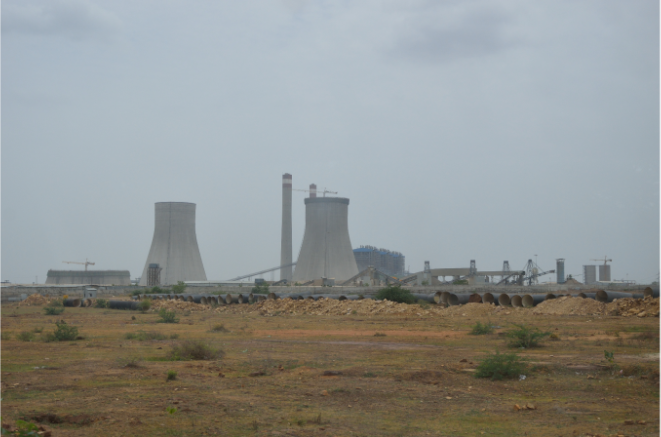
    India, already one of the world’s top sulphur dioxide (SO₂) emitters, has now moved to exempt nearly 80% of its coal-fired power plants from installing key pollution control systems – sparking widespread concern among environmentalists and public health experts. On 17 July 2025, India’s Ministry of Environment, Forest and Climate Change (MoEFCC) has staunchly defended its decision to relax sulphur dioxide (SO₂) emission norms on installing flue gas desulfurisation (FDG) systems for coal and lignite-based thermal power plants, describing the move as ‘cost-effective’ and ‘scientifically justified’. The new revised framework has now exempted approximately 78% of thermal plants from installing FGD systems, with exceptions.

    Background & Challenges Faced 

    In 2015, the MoEFCC introduced new emission norms for coal- and lignite-based thermal power plants to curb air pollution. A key requirement was the installation of FGD units, which are a pollution control technology that removes sulphur dioxide from gases of the power plant, leading to a reduction in harmful emissions into the atmosphere. This move was part of India’s broader effort to reduce ambient air pollution and align with global environmental standards.

    However, for the communities living near the thermal plants, these policies were essential for their survival. Residents near Chhattisgarh’s Korba region, home to one of India’s densest coal power belts, who are already battling chronic coughs, fear that this rollback would choke them further.

    All thermal plants were given two years to install these; however, by 2024, only 8% of 180 thermal power plants had installed FGDs. Multiple extensions were granted due to technical, financial, and logistical hurdles, including high costs, limited vendors, and supply chain issues.

    While studies show sulphur dioxide contributes only 1–5% to overall PM₂.₅ levels, studies caution that even at the lower end of this range, the impact on human health is significant. India sees around 19.5% of daily deaths and 1.67 million annual deaths – a figure that makes the health implications of rolling back SO₂ norms impossible to ignore.

    What has changed?

    Under the new framework, thermal power plants are now classified into three categories based on how close they are to populated places and their pollution load. Category A plants are those situated within 10 km of cities in the National Capital Region or in areas with severe pollution. They are still required to install FGD systems by December 2027. The second category, Category B, located between 10 and 25 km from populated areas, will be assessed on a case-by-case basis. Meanwhile, Category C plants—located more than 25 km from major habitations—have been exempted altogether from the FGD mandate. This includes the 78% of thermal plants mentioned before.

    Government’s Justification

    The MoEFCC said that they have noted no visible difference between the SO₂ emissions between those plants that have the FGD system and those that don’t. According to the ministry, studies show that SO₂ contributes only 1% to 5% to ambient PM2.5 levels, implying that nationwide installation may not be the most effective strategy to reduce air pollution.

    The Ministry also stated that the expenses to install these systems would not match their benefits, which are marginal. The installation could also lead to an increase in electricity tariffs by 50 to 70 paise per unit. The current cut of the systems could, in fact, reduce electricity costs by 25 to 30 paise per unit.

    Criticism and Public Health Concerns

    SO₂ is a colourless, extremely toxic gas and a leading cause of several respiratory illnesses and acid rain. As mentioned, India is one of the largest emitters of SO₂ and diluting regulations puts vulnerable communities at risk. Some research suggests that fully implementing FGD could save thousands of lives each year.

    Critics argue that rolling back these measures not only endangers public health but also undermines India’s global environmental standing. This policy shift, they warn, could complicate India’s long-term climate strategy—particularly its ambition to reach net-zero emissions by 2070. With coal still dominating the energy mix, continued reliance on outdated emission controls may slow the transition toward cleaner alternatives and jeopardise commitments under the Paris Climate Agreement.

    What Lies Ahead

    While the government claims that the revision is both climate-friendly and cost-effective, this debate highlights a significant challenge: finding the right balance between developmental needs and environmental responsibility. With coal still being a major player in India’s energy landscape, we’re left wondering what the long-term effects of this decision will be on public health and our climate goals.