Category: Business

  • Rainbow Washing or Allyship: Brands and Their Campaigns During Pride Month

    Rainbow Washing or Allyship: Brands and Their Campaigns During Pride Month

    Every year, the month of June is marked by the colourful embrace of the queer community that celebrates how far the LGBTQ+ community has come. This year marked the 55th anniversary of the 1969 Stonewall uprising in Manhattan. The Stonewall uprising was a turning point for the Gay Liberation Movement, which was prominent throughout the late 1960s.

    In a contemporary context, Pride Month is celebrated through pride parades that promote inclusivity, donations and volunteering while protesting against inequalities. Apart from the members of the community celebrating, even other members and the public participate in such parades. This shows the support and brotherhood that they have for their fellow society members. Nowadays even brands have started showing support during this month through different campaigns, pride-special events, products and much more. Brands have faced major criticism for following the brand and not understanding the cause behind it or rather not committing to it.

    Recently, with the increase in commodifying any sort of awareness campaign, brands have hopped on the bandwagon to commercialize Pride Month by coming up with their own campaigns and merchandise. These initiatives might look like genuine efforts to show support but a lot of brands have been taking part in ‘rainbow washing’ or capitalising off of queer communities by showing apparent support to them while actually not providing substantial support.

    Some famous brands were under fire for alleged ‘rainbow-washing’. An example of this is the pride sandwich that was released by Marks and Spencer, called LGBT; “Lettuce, Guac, Bacon & Tomato”. They were criticised for reducing the entire community and their struggles into a basic sandwich.

    As a response to backlash from conservative groups faced by companies for supporting the LGBTQ+ community, this Pride Month, the number of brands showing outward support towards the community has decreased. This can be observed in the case study of the American retail corporation Target as well as the beer brand Budlight. The aforementioned companies, due to a backlash from conservative groups, were forced to keep a low profile this June. Budlight, a top beer brand, faced backlash following their collaboration with a transgender influencer Dylan Mulvaney. The situation became a focal point when they started gaining criticism even from Pride supporters when it came to light that the beer brand donates huge amounts to conservative lawmakers who are not supportive of the community.

    Although a lot of brands faced criticism for slacktivism (supporting a political or social cause by putting in minimal effort without actual commitment), there are a number of brands that have been promoting the community with true spirit.

    Accenture has been going over and beyond to support the community and provide a safe space for them within the working environment. The company has its own ‘Pride Means More’ campaign, which aims at ensuring an inclusive workspace for all employees.

    The Lego Group, a toy company, launched the ‘A-Z of Awesome’ campaign which aimed at families to have meaningful conversations about different identities. The company instead of painting the existing products with rainbow colours introduced a whole new product. This campaign was really appreciated and liked by the public and the LGBTQ+ community.

    Hindustan Zinc Limited also took a step towards inclusivity and has introduced a policy that will provide financial support to transgender employees. It was launched in association with the company’s Pride Month celebrations. They had interviewed their employees, where their employees were sharing their experience of having such a supportive and inclusive work space regardless of their gender and identity.

    In summary, Pride Month serves as a major annual observance for the LGBTQ+ community, celebrating milestones like the Stonewall uprising while fostering inclusivity and awareness. However, along with genuine efforts to support and celebrate, there always exists a notable trend of superficial gestures and commercial exploitation. The challenges faced by companies navigating these waters underscore the importance of authenticity and sustained commitment in advocating for LGBTQ+ rights. The main focus should remain on meaningful actions that contribute positively to the community’s progress and well-being and not for a brand’s own welfare

  • Made Where? Why India Wants E-Commerce to Reveal Country of Origin

    Made Where? Why India Wants E-Commerce to Reveal Country of Origin

    If you are one of the people shopping online today, for example, for a phone charger, a water bottle, or your next set of bed sheets, you likely check reviews, price, brand, and delivery time. But sometime soon, another factor may become just as important: where the product is made. The government of India has now proposed making it mandatory for e-commerce platforms like Amazon, Flipkart, and Meesho to clearly mention the “Country of Origin” for every product available on their platforms as part of a new policy they are proposing. The intention behind this is to not only enable consumers to make a more informed choice but also to further support the vision of Atmanirbhar Bharat (a more self-reliant India). This could lead to a radical transformation in the Indian online shopping scenario, affecting the production, marketing, and pricing of products, besides changing the competitive landscape between local and imported goods.

    The closer the policy is to being put into practice, the more unavoidable becomes the question: Will this change really benefit Indian producers and environmentally friendly consumers, or will it just be another source of compliance and logistical complication on the already complicated digital marketplace?

    Reasons for the Proposal’s Importance

    India ranks high among e-commerce markets globally, with the fastest growth rates, and is expected to exceed $130 billion in market value in the coming years. The daily lives of consumers have changed significantly with the increasing number of people going online; hence, the importance of platforms has skyrocketed. Nevertheless, while retail products in physical stores are already openly labelled for their manufacturing location, the same cannot be said about online products. Many such listings lack origin information or are not clearly presented, leaving buyers uncertain about whether a product is Indian, Chinese, or from another source.

    The timing of this proposed rule seems intentional. The renewed focus on reliable local or regional supply, particularly for goods produced mainly in India, has returned due to the pandemic, accompanied by political tensions, rising protectionism, and digital nationalism. This aligns with government-driven initiatives like Make in India, PLI schemes, and the push for localisation in manufacturing. In other words, this policy is not just about marking products; it seeks to rethink value flow across the digital retail ecosystem.

    Would it Vitiate the Way Indians Make Purchases?

    Mandatory country-of-origin labels would increase transparency. Filters such as “Manufactured in India,” “Made in China,” or “Imported” would be added to the existing filters for price, delivery time, and brand. For some price-conscious customers, affordability will remain the primary driver of their decision. For others, though, the origin may influence purchases, especially for home goods, skincare, fashion, and electronics accessories.

    However, the real question is whether consumer sentiment will translate into actual action. A ₹499 imported phone case might still command more attention than a ₹799 Indian-made case. But a visible label could also create psychological weight: the sense that choosing Indian-built products helps keep local jobs, industries, and manufacturing ecosystems alive. This shift may take time, but over time, the presence of such information will make more conscious consumer behaviour normal, much the same way organic labels did for food or cruelty-free labels did for cosmetics.

    A Possible Boost for Indian Manufacturers

    This might be a revolutionary regulation for Indian manufacturers, particularly MSMEs and upcoming D2C brands. The fact that they have excellent origin filters and compulsory labelling means that their products would be different and, most importantly, have a space in the story.

    One possible outcome of this rule change may be more supply chain transparency, more investment in domestic manufacturing, and a more distinct Indian brand identity for products made in India. Heritage industries, such as handloom textiles, natural skincare, artisanal crafts, and Ayurveda, which are closely linked to cultural identity and craftsmanship, would benefit most, as their origins are deeply intertwined with cultural identity and traditional skills. However, for most Indian brands, origin is much more than just the technology used to describe it; it is a mark of authenticity, a connection to the past, and a matter of pride. By ensuring that consumers see such details at the time of sale, the rule sets up a scenario where the stories of the products represented are their online shopping experience footprint, that is, the consumers relate to the products through origin, which is not a technical detail buried in specs, but part of the consumers’ interaction with the products.

    But Implementation Will Not Be Easy

    No matter how promising the advantages might be, the new regulation nonetheless presents numerous operational challenges. Verifying the country of origin for millions of items, most of which undergo some form of change, modification, or relisting, is quite a gigantic task. The very definition of these complicated supply chains makes this issue even more unclear. If a smartphone is entirely manufactured in India but has Chinese chips and American software, how do you categorise it: Indian, foreign, or partially local? To address these issues, they would need to establish new verification systems, implement new rules for onboarding sellers, and conduct regular audits to ensure compliance. The sellers of commodity goods in large quantities may be subject to additional compliance requirements, which in turn would slow down the listing process and burden staff with more paperwork. When this is done on a large scale, it becomes a source of increased costs, additional responsibility, and possibly even disputes over enforcement.

    A Small Label with Long-Term Impact

    Will the country-of-origin labels change the way people shop online in India just like that? The answer is most likely no, but they will surely change the consumer, manufacturing, and digital commerce in India over the next decade. The proposal extends beyond mere rules and compliance, indicating a gradual yet significant shift—from a convenience- and cost-driven online shopping market to one shaped by identity, ethics, and national economic priorities. If done with care, this proposal will not only raise consumer awareness but also Indian innovation, quality, and supply chain development. At its core, this regulation aims not only to bring transparency to buyers but also to reshape the perception of value in India’s digital economy. Whether we are aware of it or not, the next time we put something in our online shopping cart, the question of its origin may be involved.


  • OpenAI’s $38 Billion AWS Deal and What It Means for the Future of AI Infrastructure

    OpenAI’s $38 Billion AWS Deal and What It Means for the Future of AI Infrastructure

    The multi-year partnership signals a shift toward multi-cloud strategies and highlights how infrastructure will shape the next phase of AI development.

    OpenAI has concluded a historic $38 billion cloud infrastructure deal with Amazon Web Services (AWS), making it one of the largest cloud/AI deals ever made in terms of commercial value. It gives OpenAI access to massive computing power across AWS’s global network, including advanced GPU clusters, specialised UltraServer infrastructure, and hardware built specifically for training and running large-scale AI systems. It became a pivotal point in OpenAI’s game plan, which had previously relied on Microsoft Azure as its primary cloud service provider.

    Why Reinventing Infrastructure Matters Now

    The transition to AWS emphasises the ever-increasing demand for computational power in the development of AI models. Currently, modern AI systems consist of billions or even trillions of parameters and have high computational requirements for both training and inference. The cloud infrastructure’s reliance on a single provider becomes even more difficult as the demand continues to grow. OpenAI is positioned as a multi-cloud company that can benefit from greater flexibility, geographic redundancy, and the rapid scaling of capacity to meet its changing needs.

    Amazon has scored a huge competitive victory through the deal. Microsoft, Oracle and Google have been gaining power in the AI ecosystem over the past two years, primarily through their collaboration with model developers, their commitment to custom chips, and the establishment of research labs. OpenAI, one of the world’s most prominent AI research organisations, is partnering with Amazon to strengthen its cloud position. It announces AWS’s commitment to staying in the AI infrastructure market, amid rising competition. Reports claim that the deal will have significant financial and reputational worth for the companies in the long run.

    What This Says About the AI Compute Economy

    The magnitude of the transaction is indicative of a broader shift in the way the Manner AI infrastructure is being built and financed. The operational and scaling costs of cutting-edge AI systems have surged tremendously due to global GPU supply shortages, power-hungry data centres, and the increasing complexity of AI architectures. Cloud providers are not competing only on software or storage prices, but also on the availability of physical resources, such as land for new data centres, access to power grids, cooling systems, and long-term agreements for semiconductor supply.

    In other words, computing power is being recognised as a new strategic asset in the technology landscape. The organisations that can consistently provide and expand this capacity are the ones that are setting both the pace and direction of AI development. The OpenAI–AWS partnership is a sign that the future of large-scale AI will be, to a significant extent, dependent on logistics, infrastructure engineering, and hardware design, as well as on algorithmic innovations.

    Implications for the Industry

    While this partnership will accelerate innovation for AI, another related concern is that of the concentration of power. Currently, very few companies, namely Amazon, Microsoft, Google, and Oracle, have the global scale and infrastructure to support advanced AI systems. As research, businesses, and automation increasingly rely on these systems, control over the future of AI will become even more centralised in the hands of a few.

    Several research scientists and industry analysts have expressed the view that without access to computers similar to those afforded to large companies, smaller companies, academic institutions, and open-source projects will lag. This situation could impact policy discussions regarding AI accessibility, national computing strategies, and public-private technology partnerships, among others.

    From Single Partnership to Multi-Cloud Strategy

    The collaboration between OpenAI and AWS marks a significant milestone in the integration of AI and cloud technology. The gap between them is continuing to close rapidly, and this partnership shows how tightly interwoven the future of AI depends on solid cloud infrastructure. Instead of being separate industries, the cloud platform, along with its AI developers, will, for instance, form deep, long-term, capital-intensive relationships powered by compute scarcity and technical interdependence.

    As the need for high-performance computing continues to increase, similar large-scale partnerships will become a standard feature across the entire industry. The multi-cloud strategies or direct investments in infrastructure could be actions taken by governments, research labs, or major tech companies in the near future, ensuring they have access to the computing power they need. A deal like that, worth $38 billion, signals something huge happening in the industry: AI is entering a new phase. It’s not just about apt algorithms or large datasets; it’s about building the necessary infrastructure needed to support them. While compute isn’t the only factor shaping AI’s future, it’s becoming one of the most defining.

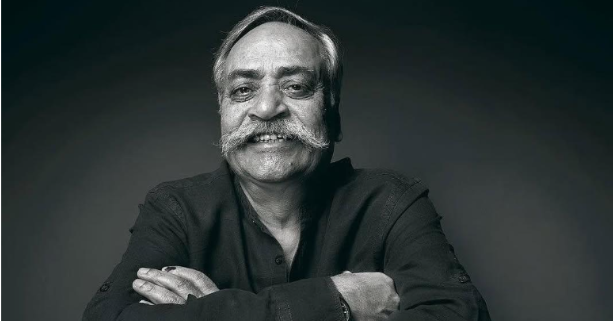
  • Piyush Pandey, the Voice of Indian Advertising, Dies at 70

    Piyush Pandey, the Voice of Indian Advertising, Dies at 70

    Piyush Pandey, the advertising icon who redefined how India spoke through its brands, passed away on 24th October 2025, in Mumbai at the age of 70. According to reports, Pandey was suffering from a severe infection that led to his sudden death.

    In a striking coincidence, the man who created the nation’s famous Pulse Polio campaign, “Do Boond Zindagi Ke” featuring Amitabh Bachchan, passed away on World Polio Day, the very date India annually celebrates its triumph over the disease.

    Widely called the creative heartbeat of Indian advertising, Pandey’s work at Ogilvy India, where he worked as Executive Chairman and Global Chief Creative Officer, transformed the ad industry forever. His campaigns were rooted in local insights, humour, and humanity; they gave India some of its most enduring brand memories.

    An Album of Timeless Campaigns

    Pandey’s creative legacy can be told through the campaigns that became part of India’s vocabulary. From “Pappu Pass Ho Gaya,” “Fevicol ka Mazbooth Jod Hai, Tootega Nahi”, “Har Ghar Kuch Kehta Hai” and Cadbury Dairy Milk’s “Kuch Khaas Hai Ham Sabhi Mein”, Pandey’s ads celebrated India’s spirit and culture. He also designed the famous Vodafone Zoo-Zoo and Hutch puppy campaign.

    Pandey was also behind socially powerful work, including the Pulse Polio campaign, “Do Boond Zindagi Ke”, which helped drive mass vaccination awareness across the country in collaboration with the Government of India and UNICEF. He also designed the “Incredible India” campaign, which gave India a global identity.

    Pandey worked on the famous political campaign for Narendra Modi in the 2014 general election. The “Ab ki Baar Modi Sarkar” campaign contributed to the BJP’s landslide victory.

    A Pioneer with an Indian Heart

    Born in Jaipur in 1955, Pandey’s journey into advertising was unconventional. Pandey played many major Cricket Tournaments, including the prestigious Ranji, before working as a tea-taster in Kolkata. In 1982, he joined Ogilvy and Mather. His early work caught attention as his ads were deeply rooted in Indian culture and local lingo, which was not common at that time, as advertisers mimicked Western ads. He believed “Engagement is the key to communication”, and this was reflected in his ads, which were catchy and in sync with the rhythms of ordinary Indians.

    Over four decades, he transformed Ogilvy India into a powerhouse of creativity, mentoring countless young copywriters and art directors who went on to become industry leaders themselves.

    Pandey’s contribution to the advertising world was recognised with numerous awards, including multiple Cannes Lions, Effies, and the Padma Shri in 2016 for his contribution to literature and advertising. In 2000, The Economic Times named him “The Most Influential Person in Indian Advertising.”

    Beyond his campaigns, Pandey was known for his humility, humor, and strong flair for storytelling. His autobiography, “Pandeymonium: Piyush Pandey on Advertising”, captured his creative side and anecdotes from his life.

    Tributes poured in from across industries. Prime Minister Narendra Modi tweeted, “Shri Piyush Pandey Ji was admired for his creativity. He made a monumental contribution to the world of advertising and communications. I will fondly cherish our interactions over the years. Saddened by his passing away. My thoughts are with his family and admirers.” Industrialist Anand Mahindra and veteran actors like Amitabh Bachchan, who worked with him on the Polio campaign, and Shah Rukh Khan, also shared their condolences. His admirers flooded Twitter and other social media platforms with memories of the man whose words and ideas shaped India’s advertisements.

  • TCS Layoffs: A Wake-Up Call for India’s IT Workforce

    TCS Layoffs: A Wake-Up Call for India’s IT Workforce

    India’s economy has a longstanding history intertwined with the IT Sector, which is its most resilient pillar. However, recent news in late July of 2025 has sent shivers down the spine of the national workforce and brought up questions that are fundamental in determining the future of white-collared job opportunities. Tata Consultancy Services (TCS) has wielded an axe on its number of employees, deducting almost 12,000 workers. That is nearly 2% of its global workforce of 613,000 as of June 2025. It is a historical downsizing strategy in the 50-year journey of TCS legacy; the air now stands heavy within the sector that was once unshakable.

    TCS has been globally recognised as India’s largest IT services exporter and a key employer of India’s skilled middle class. Reports of such heavy layoffs force debates and conflicting arguments related to the ever-evolving workspace, adorned by limits of cost optimisation, the ethical implications of automation, and global restructuring. Although the exact number has not been officially confirmed by TCS, internal sources have cited an affected group of mid-to-senior-level professionals with 8-15 years of experience: mainly those who were a significant part of India’s IT success story. The redaction is a collective reasoning of performance reviews, shifting global priorities, and a broader move toward AI and cloud automation. But the question persists: is dumbing the workforce down to just operational strategy the quick and easy solution to mobility? Or is it an intentional shift caused by a cultural and structural shift in the way Indian IT giants perceive talent, efficiency, and global competitiveness?

    So what has the CEO said? K. Krithivasan has mentioned the layoff as an offshoot of “skills mismatch” and not the preconceived notion of AI delivering 20% productivity gains. Certain roles have now outgrown their traditional operative measures and no longer fit into the strata of next-gen technological progress. TCS has also allegedly been an investor in upskilling over half a million employees in AI and emerging tech. However, it was admitted that deployment may not be feasible for all, leading to the necessity of downsizing.

    Such a move also has the complete potential of reflecting a broader range of oncoming pressures: global economic uncertainty, slowdown in North American client spend, and increasing demand from clients for cost-efficiency and innovation-driven delivery models. However, analysts have also estimated the cut to cause a reduction in the overall employee costs by approximately 4% and add up to nearly 12% to TCS’s net profit recorded in the fiscal year that ended in March 2025.

    TCS has also brought in make-or-break alterations within the workforce that force “bench resources”- those employees who have been inactive for a long while to find a project within 35 days to secure their position, similar to longer grace periods provided previously. Alongside this, the employees who have been laid off will be receiving a period of compensation, severance packages aligning with industry standards, extended insurance benefits, and outplacement support. TCS has publicly stated that steps have been taken to ensure unaffected service delivery to clients, as well as providing counselling and career transition assistance during this period.

    A wider portion of the worksphere reconstruction is the cost reduction initiative at TCS, which comprises a freeze on lateral hiring of experienced personnel, temporary global suspension of salary increases, and tightened performance management of employees with bench or non-billable roles. The actions have been justified publicly as critical measures to help TCS remain agile and competitive in a business landscape where deal cycles are getting shorter, automation is on the rise, clients are exerting cost pressures, and global competition is intensifying.

    The announcement has stirred up considerable debate in the tech space and among Indian labour organisations. Employee rights activists and trade unions have raised alarm over both the quantum of the layoff and the safety nets available to re-employment for older staff who might experience re-employment to be more difficult on account of age or skills that are out of date. Some government officials and representatives for labour have pressed for further regulatory supervision and proactive measures to safeguard workers’ welfare, especially in an industry that has historically been considered a bastion of secure middle-class jobs.

    For the broader IT sector as a whole, TCS’s decision is being seen as both a symptom of and an influence on sectoral distress. Most large Indian IT companies, such as Infosys, Wipro, and HCL Technologies, are also under pressure to reshape their workforces to keep up with fast-evolving digital client needs. The development of generative AI, cloud-based designs, and sophisticated cybersecurity is making some jobs obsolete while opening up demand for new, highly specialised technical skills.

    For TCS, the decision marks the reversal of decades of a relatively placid model of employment, one of mass hiring, long tenures, and step-by-step upskilling. The company’s move marks the beginning of a new phase where speed, quick acquisition of skills, and constant learning become the need of the hour – to survive, not just for business but also for IT professionals. The change underscores the two-edged sword of technological advancement: while it opens new opportunities, it also shatters traditional career streams and security for thousands.

    The TCS layoffs are a critical inflexion point – not just for the company but for the Indian IT industry. They are a wake-up call that highlights the imperative for companies and professionals alike to adopt new competencies, become resilient to technological change, and develop more agility in responding to market and technological change. As India’s IT titans navigate the turmoil of a digital age, the following year will challenge the resilience and adaptability of both people and organisations.

  • Centre Defends Revised SO₂ Emission Norms for Coal Plants as Cost‑Effective and Climate‑Coherent

    Centre Defends Revised SO₂ Emission Norms for Coal Plants as Cost‑Effective and Climate‑Coherent

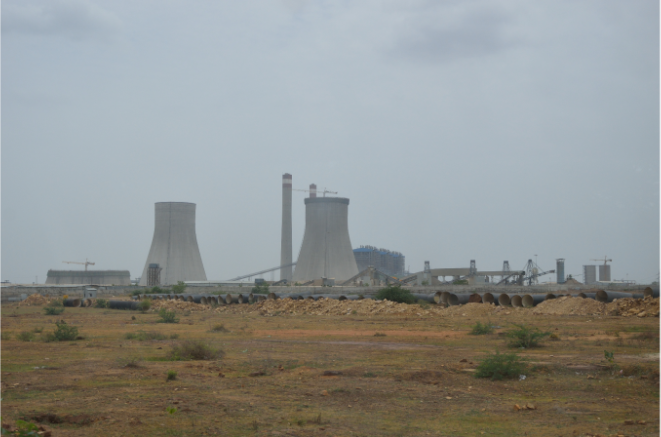
    India, already one of the world’s top sulphur dioxide (SO₂) emitters, has now moved to exempt nearly 80% of its coal-fired power plants from installing key pollution control systems – sparking widespread concern among environmentalists and public health experts. On 17 July 2025, India’s Ministry of Environment, Forest and Climate Change (MoEFCC) has staunchly defended its decision to relax sulphur dioxide (SO₂) emission norms on installing flue gas desulfurisation (FDG) systems for coal and lignite-based thermal power plants, describing the move as ‘cost-effective’ and ‘scientifically justified’. The new revised framework has now exempted approximately 78% of thermal plants from installing FGD systems, with exceptions.

    Background & Challenges Faced 

    In 2015, the MoEFCC introduced new emission norms for coal- and lignite-based thermal power plants to curb air pollution. A key requirement was the installation of FGD units, which are a pollution control technology that removes sulphur dioxide from gases of the power plant, leading to a reduction in harmful emissions into the atmosphere. This move was part of India’s broader effort to reduce ambient air pollution and align with global environmental standards.

    However, for the communities living near the thermal plants, these policies were essential for their survival. Residents near Chhattisgarh’s Korba region, home to one of India’s densest coal power belts, who are already battling chronic coughs, fear that this rollback would choke them further.

    All thermal plants were given two years to install these; however, by 2024, only 8% of 180 thermal power plants had installed FGDs. Multiple extensions were granted due to technical, financial, and logistical hurdles, including high costs, limited vendors, and supply chain issues.

    While studies show sulphur dioxide contributes only 1–5% to overall PM₂.₅ levels, studies caution that even at the lower end of this range, the impact on human health is significant. India sees around 19.5% of daily deaths and 1.67 million annual deaths – a figure that makes the health implications of rolling back SO₂ norms impossible to ignore.

    What has changed?

    Under the new framework, thermal power plants are now classified into three categories based on how close they are to populated places and their pollution load. Category A plants are those situated within 10 km of cities in the National Capital Region or in areas with severe pollution. They are still required to install FGD systems by December 2027. The second category, Category B, located between 10 and 25 km from populated areas, will be assessed on a case-by-case basis. Meanwhile, Category C plants—located more than 25 km from major habitations—have been exempted altogether from the FGD mandate. This includes the 78% of thermal plants mentioned before.

    Government’s Justification

    The MoEFCC said that they have noted no visible difference between the SO₂ emissions between those plants that have the FGD system and those that don’t. According to the ministry, studies show that SO₂ contributes only 1% to 5% to ambient PM2.5 levels, implying that nationwide installation may not be the most effective strategy to reduce air pollution.

    The Ministry also stated that the expenses to install these systems would not match their benefits, which are marginal. The installation could also lead to an increase in electricity tariffs by 50 to 70 paise per unit. The current cut of the systems could, in fact, reduce electricity costs by 25 to 30 paise per unit.

    Criticism and Public Health Concerns

    SO₂ is a colourless, extremely toxic gas and a leading cause of several respiratory illnesses and acid rain. As mentioned, India is one of the largest emitters of SO₂ and diluting regulations puts vulnerable communities at risk. Some research suggests that fully implementing FGD could save thousands of lives each year.

    Critics argue that rolling back these measures not only endangers public health but also undermines India’s global environmental standing. This policy shift, they warn, could complicate India’s long-term climate strategy—particularly its ambition to reach net-zero emissions by 2070. With coal still dominating the energy mix, continued reliance on outdated emission controls may slow the transition toward cleaner alternatives and jeopardise commitments under the Paris Climate Agreement.

    What Lies Ahead

    While the government claims that the revision is both climate-friendly and cost-effective, this debate highlights a significant challenge: finding the right balance between developmental needs and environmental responsibility. With coal still being a major player in India’s energy landscape, we’re left wondering what the long-term effects of this decision will be on public health and our climate goals.

  • Investing in Indulgence: All About ChysCapital’s Theobroma Stake Buy Out

    Investing in Indulgence: All About ChysCapital’s Theobroma Stake Buy Out

    Theobroma, a high-end bakery brand renowned for its signature brownies, pastries, and quickly expanding nationwide presence, has drawn a significant investment from ChrysCapital, which has purchased a 90% stake in the business. The deal is estimated at a valuation of ₹2,410 crore, as reported by the Economic Times. It marks a significant milestone in Theobroma’s evolution from a family-run enterprise to a professionally scaled food services business.

    The deal involves acquiring shares from both the company’s promoters and current investor ICICI Venture, which owns around 42% of the stake in the company. It is reported that the proprietors will retain 10% of the stake in the company.

    From Colaba Café to a 1000-Crore Brand 

    Theobroma was founded in 2004 by two sisters, Kainaz Messman Harchandrai and Tina Messman Wykes. It grew from a small kitchen café to a 225-store pan-India chain, serving pastries, puffs, cakes, croissants and sandwiches.

    In her 2020 memoir, “The Theobroma Story: Baking a Dream,” Kainaz Messman described how she had to reconsider her career after suffering a back injury while working as a pastry chef at the Oberoi Hotels. Inspired by their mother’s home-based baking business, she teamed up with her sister Tina and received training at Le Cordon Bleu.

    During Dussehra in 2004, the two opened their first café on Colaba Causeway with their father’s seed money of Rs 1.5 crore. At first, it was thought to be a minor improvement over their kitchen at home, but it would quickly grow into something much larger.

    A friend of theirs proposed the name “Theobroma,” which means “food of the gods,” and it immediately came to be known as the decadent treats at an affordable price and an elevated dessert experience.

    Theobroma’s delicious tarts, rich cakes, and gooey brownies were an overnight hit in India’s growing café and bakery scene in the early days. With its European-style pastries at affordable prices, the brand won the heart of a young aspirational consumer segment. Its emphasis on quality and consistency helped create a loyal and growing customer base, reports say.

    More About the Stake Buy-out 

    According to the ET (Economic Times) report in March, ChrysCapital initiated discussions to acquire Theobroma at a rate lower than the initial Rs 3,000 crore valuation the founding family and the shareholders held out for. The talks that were put on hold for some six weeks following poor financial performance were recently restarted. No takeover announcement has been issued yet.

    Other prospective buyers like Bain Capital, Carlyle, and Switz Group of the Khorakiwala family that runs the Monginis bakery chain also expressed initial interest in Theobroma. ChrysCapital’s investment in Theobroma is a part of the company’s plan to build a solid quick-service restaurant (QSR) portfolio. The fund is also committed to buying high-growth food chains such as The Belgian Waffle Co., and the recent deal reflects growing investor interest in scalable, consumer-facing companies in India.

    Theobroma is expected to post Rs 525-550 crore revenue and Rs 80-100 crore EBITDA in FY25. It had posted Rs 400 crore revenue and Rs 60 crore EBITDA in FY24.

    The company had earlier considered going public, but unstable market conditions stalled its plans for an IPO.

    What’s Next for Theobroma?

    With the support of ChrysCapital, Theobroma will consolidate its position in Tier 1 and Tier 2 cities and explore opportunities such as e-commerce, licensing of products, and packaged foods. With the increasing demand for premium yet affordable food brands in India, Theobroma is poised to dominate the space.

    The most amazing part of this story isn’t the moneymaking transaction – it’s sister’s love, business built on chocolate, hard work, and determination. It is now a case study on how Indian food startups can grow without losing their soul.

    The investment gives Theobroma the strategic capital and expertise it needs to propel its growth, expand new markets, and potentially strengthen its supply chain and backend operations. ChrysCapital, as an experienced investor in consumer-facing businesses, offers Theobroma Capital as well as operating experience, which is vital since Theobroma transitioned from a family business to a professionally scaled business.

    The Messman family is reportedly still engaged in key roles to keep the values and identity of the brand.

    Image Source: Theobroma Official Website

  • After Nearly a Century, HUL Gets Its First Female Chief

    After Nearly a Century, HUL Gets Its First Female Chief

    For the first time in its 92-year history, Hindustan Unilever Limited (HUL) will be led by a woman. Priya Nair has been appointed as the new CEO and Managing Director of HUL, and will be taking over from Rohit Jawa on August 1st, 2025.

    Priya Nair isn’t new to HUL. She has worked for the company for almost 30 years, starting in sales and marketing and steadily climbing the ladder, proving herself every step of the way. She is currently the President of the beauty and wellbeing sector at Unilever, where she led iconic campaigns for brands like Dove, Rin and Comfort. She is also known for creating stories that connect with people, especially women and families, and her in-depth understanding of the Indian market made her one of the most respected marketers in the industry.

    But this move is more than just a change in the job title. It highlights the slow pace of change in the Indian boardrooms. HUL, a household name with products in nearly every Indian home, had never had a female CEO for almost a century, and Nair’s appointment is a clear sign that leadership is finally becoming more inclusive.

    She brings to the table not just experience, but also empathy. Her leadership style is expected to focus on people, sustainability, and innovation. As consumer habits change, especially post-pandemic, HUL will need fresh ideas to stay relevant. Her track record shows she understands this shift. She led campaigns that didn’t just sell soap or shampoo; they told stories that made people feel seen and heard.

    Her promotion also sends a message to young women across the country – the top seat is within reach. Even in industries where men have always held power, things are changing. It’s a reminder that talent, vision, and consistency can break barriers,  even those built over nine decades.

    HUL is India’s biggest fast-moving consumer goods (FMCG) company. It sells everything from tea and detergent to skincare and health products. With over 50 brands in its portfolio and a presence in every part of the country, leading HUL is no small task. But Nair is seen as someone ready for the challenge.

  • Adani and Ambani join hands to “Redefine Auto-Fuel experience”

    Adani and Ambani join hands to “Redefine Auto-Fuel experience”

    In a surprise move, business rivals Gautam Adani and Mukesh Ambani have strategically tied up to collaborate in the energy sector. Mukesh Ambani-owned Reliance Industries venture Jio-bp and Adani Total Gas Ltd announced a mutual agreement on 25th June 2025.

    This deal is important as major private players like Torrent Power earlier and now Adani and Ambani are paving the way to enter and reshape India’s government-dominated fuel market. Jio-bp, the fuel venture of Reliance Industries, is already in partnership with the UK’s bp. ATGL, Adani Total Gas Ltd, is a joint gas venture between the Adani Group and Total Energies of France.

    In this agreement, select Jio-bp-owned fuel stations will install Adani Total Gas’ CNG (Compressed Natural Gas) stations in their outlets; similarly, select Adani Total Gas stations will install Jio-bp’s petrol and diesel dispensers in their outlets. According to a joint statement reported by PTI, the partnership will span both existing and upcoming outlets of both companies, and it aims to “redefine the auto-fuel retail experience for Indian customers”. There are a total of 1,972 petrol pumps operated by Jio-bp in India, whereas Adani Total Gas Limited has 650 CNG outlets in India. This agreement is also said to cover collaboration on compressed biogas, electric vehicle charging points and other low-carbon fuel solutions, the companies said.

    Last year in March, the two business conglomerates had signed a pact for their first-ever collaborative power project in Madhya Pradesh. Reliance Industries had bought a 26% stake in Adani’s power project in Madhya Pradesh.

    Suresh P. Manglani, Executive Director and CEO of Adani Total Gas Ltd, said in an official statement, “It is our shared vision to provide a complete range of high-quality fuels at our outlets. This partnership will enable us to leverage each other’s infrastructure, thus enhancing customer experience and offerings.” Chairman of Jio-bp, Sarthak Behuria, said, “We are united by a shared vision to offer our customers a superior selection of high-quality fuels. Jio-bp has always been committed to delivering an exceptional customer experience, and this partnership allows us to leverage each other’s strengths to further enhance the value we provide to India.”

    Gautam Adani and Mukesh Ambani, both hailing from the state of Gujarat, have always been viewed as rivals, ranging from being competitors for Asia’s richest person to competing in the expansion of business in different sectors. Observers have seen this move as strategic. It will be interesting to see how this deal works out in the future.

  • Trump’s 2025 Tariffs vs. the Global Economic Fallout

    Trump’s 2025 Tariffs vs. the Global Economic Fallout

    American President Donald Trump’s anticipated return to the White House in 2025 came with a renewed “MAGA” (Make America Great Again) agenda, the first of which caused a worldwide domino effect on the trade sphere. At a major event in the White House Rose Garden on April 2, 2025, Trump’s oration enlightened America on excessively increased tariff rates moving forward, on imports from their major trading partners.

    The Organisation for Economic Co-operation and Development (OECD) has confirmed the average U.S. tariff rate to jump from 2.5% to the highest ever since 1938, 15.4%. China is faced with an effective tariff rate of 54% on certain goods, while India, the European Union, Japan, and South Korea all contend with tariffs between 20% and 34%. Even allies like Canada and Mexico, part of the USMCA agreement, have not been spared, slapped with 25% tariffs on most goods and 10% on energy products.

    Trump’s tariff policy stems from observing the U.S. trade deficit. His perspective of the current trade scenario is based on America suffering direct financial losses and not a complete structural macroeconomic metric. According to Trump, the more America imports, the more it bleeds. His solution? Tariffs, blunt,  and all-encompassing.

    Tariffs are Trump’s biggest tool to set the policy straight once and for all. It is expected to solve job losses, manufacturing decline, and foreign policy tensions once and for all. But should he believe that economic complexity can bend so easily to political tactics?

    The OECD has responded with stern warnings. In its revised global forecast, it lowered worldwide growth projections from 3.3% in 2024 to just 2.9% for 2025 and 2026. The U.S. itself is expected to slow from 2.8% to 1.6% in 2025, a sharp decline driven by declining investment and weakening consumer confidence. The OECD is clear: Trump’s tariffs are already disrupting trade, straining supply chains, and disincentivising corporate expansion.

    Tariffs are a strategic tool for the regulation and implementation of economic shielding, disguised as tax, that consumers are compelled to pay in the form of expensive pricing. This year’s tariffs were like a tidal wave crashing against sectors like Chinese electronics and Vietnamese textiles, to Indian pharmaceuticals and European automobiles. Businesses that depend on imports are now caught in a vicious cycle of absorbing higher input costs or passing them on to customers. For working-class Americans, the demographic Trump caters to, championing inflationary pressure has been the most direct blow as of yet.

    The new Trump-initiated “reciprocal tariffs” have caused a storm in nations like Cambodia (49%), Bangladesh (37%), Sri Lanka (44%), and Taiwan (32%) based on their trade barriers and utmost economic injustice. These countries have already been considered to be low-income economies that rely heavily on exports to the U.S., toppling them into instability as a whole. Thus, pushing them toward alternative trading blocs like BRICS or further into China’s sphere of influence.

    Allies of this policy see no wrong in it and have argued that the tariffs are necessary to counter decades of unfair trade, or in Trump’s words, “being ripped off,” and that restoring domestic manufacturing is the only way out. Economically, the increased tariff rates have caused a ripple effect across production ecosystems, increasing costs for everything from smartphones to semiconductors.

    The most alarming consequence of these tariffs is the probability of fracturing the global economy. The OECD warns that de-globalising production could reduce global GDP by up to 5%. Countries are already responding in kind, either with retaliatory tariffs or by strengthening trade agreements that exclude the U.S. Isolating America’s economy is trading risky waters during this troubled time of climate change, technological governance, and public health.

    These tariffs have alienated key allies in Europe and Asia, and penalised countries like India and Vietnam, which the U.S. was courting as strategic counterweights to China, the administration has unfortunately undercut its own foreign policy goals. It has become clear that economic power is a pillar of geopolitical influence, and weaponising trade risks eroding the very alliances that give the U.S. leverage in global affairs.

    Protecting America’s economic stature may offer temporary political gains, especially in key industrial swing states. But profound long-term costs will fester sooner or later in the economic, diplomatic, and social landscape. Tariff wars ending on civil terms have rarely shown up in history- declining innovation, loss of wealth, and regulation of painful methods of recovery will only be found at the end of this tunnel.

    President Trump, for now, should be reviewing his goals to ensure a more resilient and fair vision within this competitive American economy. The answer to successful trade policies and moulding America into a self-reliant nation lies not in walling off trade, but in investing in domestic capabilities: infrastructure, education, innovation, and green industries as the appropriate strategy that combines smart regulation, multilateral agreements, and long-term planning. It is essential for trade to reform, but not be completely wiped out of existence.

    The global economy is too interconnected, too interdependent, to retreat behind tariff walls. In choosing tariffs as his flagship policy once again since 2018, Trump may be betting on nationalism. But the world, and the economy, may not follow him this time.