What began as a sudden but calculated strike on February 28, 2026, quickly spiralled into a conflict that has reshaped regional stability in the Middle East overnight. The offence, carried out by the USA and Israel on Iran, was dubbed as “Operation Epic Fury”; they targeted militarily active zones, air defence sites and the supreme leader, Ali Khamenei, who was reported to be killed in the action, causing a massive uproar. Iran was caught off guard with nearly 900 airstrikes by the USA and Israel in 12 hours, resulting in massive destruction and the beginning of the war.
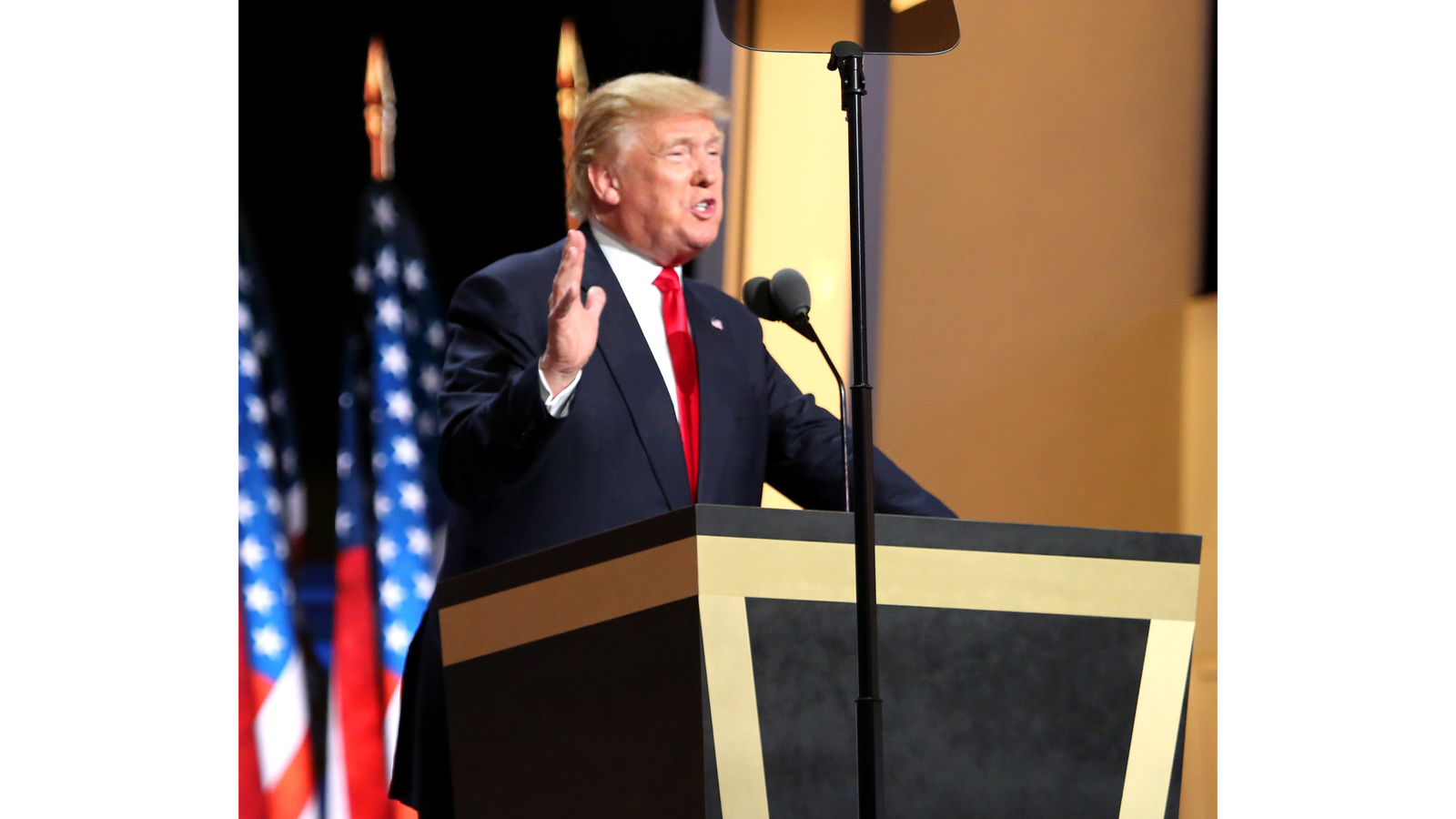
Now, on the 24th day since its initiation, both sides still face intense air strikes and missile activities with the risk of attacks on nuclear sites in Israel and Iran. Iran has blockaded the Strait of Hormuz – a strategic route connecting the Persian Gulf and Gulf of Oman carrying 20-21% of the global oil and LNG shipment – causing a shortage of supply all over the world. Consequently, US President Donald Trump has issued a 48-hour ultimatum to Iran demanding that they reopen the Strait of Hormuz, failing which the USA will launch attacks on its power plants.
Meanwhile, Israel has initiated fresh attacks on Tehran following Iran’s attacks on Southern Israeli towns such as Arad and Dimona. The Islamic Revolutionary Guard Corps (IRGC) claimed its dominance over Israeli skies with reports of high casualty numbers, though these have not been confirmed by Israel yet. Iran has also stated that the USA and Israel attacked the Natanz nuclear site. While the incident was reported to the International Atomic Energy Agency (IAEA), no abnormal radiation leaks have been detected.
Globally, there has been a massive disruption of energy flow, prompting negotiations amongst Gulf Countries and the rest of the world. Crude oil prices shot up this week to nearly $91 per barrel, the biggest one-week price jump since 1983. Several of the largest oil producers in the Gulf, like Saudi Arabia, the UAE, Iraq, and Kuwait, have halted shipments of about 140 million barrels of crude oil. Additionally, Qatar has declared a force majeure on its LNG supply as a result of the attacks on its facilities. The humanitarian consequences are also devastating, with over 2,000 lives lost and thousands of people displaced from Lebanon and Israel. Trade disruptions between nations and widespread travel halts have further compounded the crisis.
People around the world are hoping the conflict resolves soon, as the repercussions of the war are not just economic but also political and environmental. If left to escalate, the situation may shift from a mere regional dispute to a larger confrontation – reshaping alliances and threatening economies. The war has brought about serious regional instability when the world already had its focus on the crisis between Palestine and Israel, making the Middle East a very disturbed area and rendering it unfit for civilised deliberations.