Author: Nayana Ittiyamparampath

  • Messi in India: Kolkata Visit Cut Short as Chaos Unfurls

    Messi in India: Kolkata Visit Cut Short as Chaos Unfurls

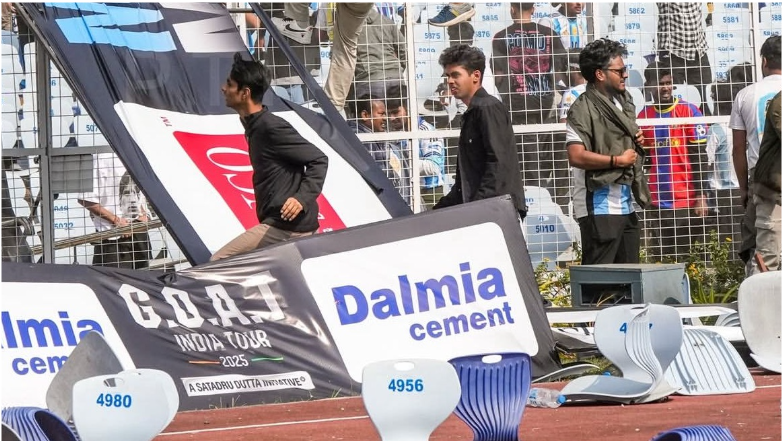
    Lionel Messi’s highly anticipated visit to Kolkata on December 13, 2025, as part of his “G.O.A.T India Tour” began with high expectations but ended in disorder and frustration for many fans at the Salt Lake Stadium.

    The Argentina football captain arrived in the city early in the morning alongside Inter Miami teammates Luis Suárez and Rodrigo De Paul to kick off the four-city tour covering Kolkata, Hyderabad, Mumbai and New Delhi. Before the main event at the stadium, Messi’s itinerary included the unveiling of a 70-foot statue in his honour, which he inaugurated remotely from his hotel. He also met with Bollywood actor Shah Rukh Khan and local officials at a separate engagement.

    Expectations were high as tens of thousands of ticket-holding spectators packed into Salt Lake Stadium, many having paid several thousand rupees for the opportunity to see the football icon in person. The event was meant to include a lap around the stadium by Messi, interactions with fans, a few penalty kicks and meet ups with former Indian cricket captain Sourav Ganguly, Shah Rukh Khan and West Bengal Chief Minister Mamata Banerjee all in the span of two hours.

    However, the scheduled programme was disrupted. As Messi entered the stadium, he was surrounded by a large group of VVIPs, officials and security personnel, creating a barrier that left many fans in the stands unable to see him clearly. Within minutes, Messi’s appearance was cut short, with him on the field for only about 20 minutes before being escorted away by security.

    In the aftermath, organisers faced sharp backlash from fans and authorities alike. Police detained the main organiser for questioning, and an investigation was launched into alleged mismanagement, including crowd control failures and misleading expectations around the event’s format. Discussions around ticket refunds were initiated as public pressure mounted. West Bengal Chief Minister Mamata Banerjee responded by issuing an apology to both Messi and the fans, expressing regret that the event did not proceed as intended. Hrishit Bhattacharya, a college student who attended the event said “We were supposed to have a once in a lifetime experience but the politicians and leaders in Bengal made sure that we are deprived of it. If not anything, we do expect a full refund from the concerned authorities.”

    The Kolkata event concluded amid administrative scrutiny and public criticism, with authorities reviewing the arrangements that led to the disruption. While Messi’s tour continued in other cities without disruption, what was intended to celebrate a global football icon instead raised questions around planning, crowd management, and accountability.
  • F1 2025: A Season of Shifts and What Awaits in 2026

    F1 2025: A Season of Shifts and What Awaits in 2026

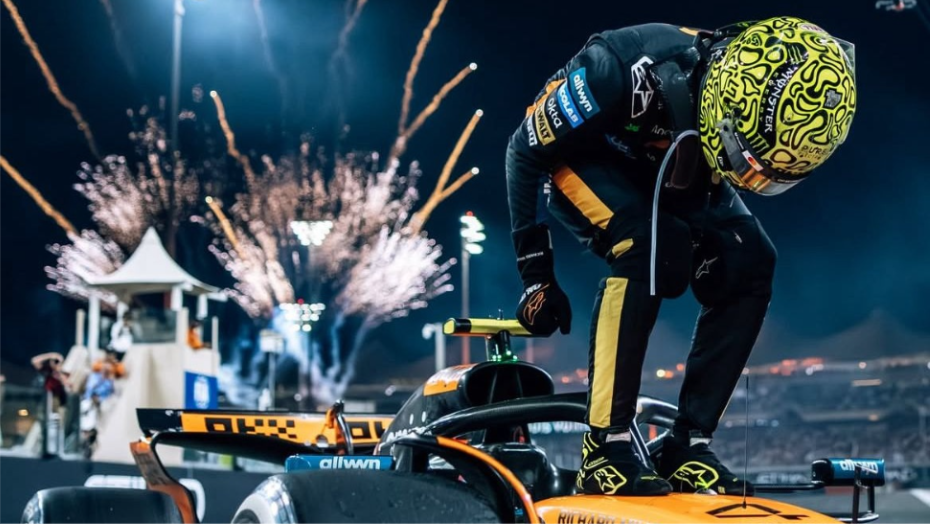
    The 2025 Formula 1 season has come to an end, with Lando Norris securing his first World Drivers’ Championship after a consistent and closely contested campaign. The McLaren driver finished the year with multiple wins and regular podium finishes, allowing him to edge out Max Verstappen in the final round, the Red Bull driver finishing only two points behind in second.

    The season was kickstarted with a celebration of Formula 1’s 75th anniversary, a live event hosted in London’s O2 Arena, where all 10 teams showcased their brand new liveries. For the sport itself, races were sold out months in advance, TV and viewership surged, while social media platforms were gaining popularity. The calendar remained one of the busiest on record, featuring 24 races and several sprint events distributed across various venues across the world.

    The season was dominated by McLaren, where, with an updated car, their mid-2020s rise, which began with incremental upgrades in 2023 and 2024, became a full-fledged championship contention this season. After a season-long battle marked by multiple wins, several shifts in the points lead, and close competition with teammate Oscar Piastri and Max Verstappen, Lando Norris emerged as the title champion. Despite setbacks including collisions, penalties, reliability issues, and a late disqualification in Las Vegas, Norris kept himself in contention through consistent podiums and key victories in Monaco, Austria, Britain, Mexico, and São Paulo. He regained the championship lead in the final phase of the season and ultimately sealed the title with a third-place finish in Abu Dhabi.

    While Norris emerged as the championship leader, Oscar Piastri’s results prompted debate among fans and analysts. Piastri led the standings for the majority of the season before facing a slump in the second half, going from a 34-point lead over Norris to being 25 points behind with two races remaining. Some argued that strategic misalignments and reliability issues hindered Piastri at key moments, leading to claims that McLaren had not fully balanced its support between the two drivers. His struggles also drew mixed opinions on McLaren’s highly adaptable 2025 car playing a decisive role in the championship.

    Max Verstappen mounted a comeback in the final phase after being 104 points behind after the Dutch Grand Prix. A strong run of results across the closing rounds reduced the gap significantly, and he reached the Abu Dhabi season finale just two points behind the championship leader. Verstappen ultimately finished the season as runner-up after falling short in the final race.

    Another notable event was Lewis Hamilton’s first year with Ferrari.  Finishing sixth this year,  inconsistencies in tyre management and pace prevented better performances. Hamilton finished with zero podiums (albeit one sprint win in China), becoming the first new Ferrari driver in 44 years to do so. Nevertheless, Ferrari viewed the season as a foundational step toward stronger performance under the upcoming regulation changes.

    The new regulation rules, set to take effect in the 2026 season, are aimed at making the cars more agile, safer and sustainable while maintaining their competitiveness. The cars will be lighter and smaller (a 30 kg weight reduction), with a redesigned hybrid power unit that increases the role of battery power and incorporates advanced sustainable fuels. Active aerodynamics, including movable front and rear wings, are being introduced to promote closer racing and reduce reliance on the current DRS system.

    In addition to these changes, there will also be a restructure of the teams and also an addition of an 11th team, Cadillac, with veterans Valtteri Bottas and Sergio Perez joining the F1 grid again. Audi will fully take over Sauber, while Arvind Lindblad will join Racing Bulls with Liam Lawson, in place Isack Hadjar who in turn replaces the outgoing Yuki Tsunoda to become teammates with Max Verstappen.

    Overall, the 2025 season delivered a new world champion, highlighted continued growth in Formula 1’s global reach, and marked the closing chapter of the current regulatory era. With teams now shifting focus toward 2026, the coming year is expected to redefine competitive order once again into the next phase of the sport.

  • India Lifts 2025 ICC Women’s Cricket World Cup, Defeating South Africa

    India Lifts 2025 ICC Women’s Cricket World Cup, Defeating South Africa

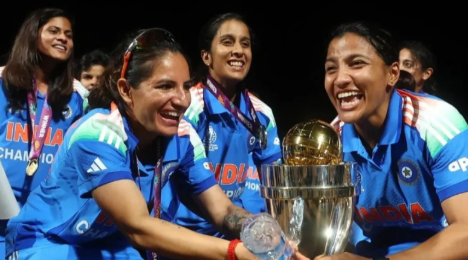
    In a historic night at the Dr DY Patil Stadium in Navi Mumbai, the Indian women’s cricket team clinched their first-ever World Cup title, defeating the South African women’s cricket team by 52 runs in the final. The victory marked a historic achievement for the Indian team, which had previously reached the finals in 2005 and 2017 but fell short on both occasions.

    Match Summary 

    India won the toss and chose to bat, posting a total of 298 for 7 in 50 overs. Shafali Verma scored 87 runs off 78 balls, providing a strong foundation with a 91-run opening partnership with Smriti Mandhana, who contributed 44 runs. In the middle order, Deepti Sharma added 58 runs, stabilising the innings after a brief slump during the middle overs.

    For South Africa, Ayabonga Khaka was the most clinical bowler, taking three wickets for 57 runs, while Marizanne Kapp maintained tight control in the death overs.

    In the second innings, South Africa fell short of the target, getting dismissed for 246 runs in 45.3 overs. Skipper Laura Wolvaardt scored a century (110 runs off 127 balls), but the rest of the batting order struggled to maintain partnerships. Renuka Singh Thakur took three wickets for 40 runs, and Deepti Sharma picked up two wickets, completing a strong all-round performance.

    Shafali Verma was named Player of the Match for her contribution with both bat and ball, while Deepti Sharma was named the Player of the Tournament award for consistent performances throughout the World Cup.

    India’s Path to the Title

    The Indian Women’s Team had a strong run, leading their group in the league stage and winning six of their seven matches, including victories over Australia, England, and New Zealand.

    In the semi-final, India beat Australia by 17 runs at the Wankhede Stadium. Shafali Verma scored 74 runs, and Renuka Singh took four wickets, which were key to their success. The final win against South Africa marked India’s first world title in women’s cricket after many years of coming close.

    Team Composition

    The core group included Harmanpreet Kaur (captain), Smriti Mandhana (vice-captain), Shafali Verma, Deepti Sharma, Richa Ghosh (wicketkeeper), and Renuka Singh Thakur. The bowling attack combined pace and spin effectively, with Pooja Vastrakar, Rajeshwari Gayakwad, and Shreyanka Patil contributing at crucial stages. Pratika Rawal, one of the youngest members of the team and a batting all-rounder, played a pivotal stabilising role in the middle order, scoring 308 runs (the second highest run scorer) before an unfortunate injury during the match with Bangladesh, which ruled her out of the final.

    Harmanpreet Kaur, in her third World Cup as captain, provided tactical consistency and led the team to its most successful global campaign. The fielding unit, traditionally an area of concern, showed marked improvement through tighter positioning and reduced errors.

    Conclusion

    India’s 2025 ICC Women’s World Cup victory represents a significant moment in both sporting and institutional terms. Beyond the immediate celebrations, the challenge now lies in sustaining momentum through continued financial and infrastructural support. If maintained, the 2025 triumph may stand as the foundation of a new era for women’s cricket; one in which India is not only a participant but a defining power in the sport.

  • Indian Tennis Star, Grand Slam Winner Rohan Bopanna Announces Retirement

    Indian Tennis Star, Grand Slam Winner Rohan Bopanna Announces Retirement

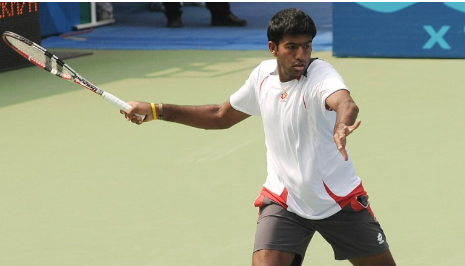
    Veteran Indian tennis player Rohan Bopanna has announced his retirement from the sport, bringing an end to an illustrious 22-year-long career. At age 45, Bopanna formally revealed his decision on 1st November 2025 via a statement on social media.

    Over the years, he amassed 26 ATP tour‐level doubles titles, along with a landmark victory at the 2024 Australian Open alongside partner Matt Ebden, which helped him achieve the ranking of world No. 1 in men’s doubles, becoming the oldest player ever to do so. Starting his professional journey in 2003, he faced injuries and erratic performances before winning his first ATP title in 2008 at the Los Angeles Open while partnering with American player Eric Butorac. A big break followed in 2010 when he reached the US Open men’s doubles final with his Pakistani partner Aisam-ul-Haq Qureshi, which became known as the “IndoPak Express.” They were defeated by American legends Bob and Mike Bryan in straight sets: 6-7(5), 6-7(4). By 2013, Bopanna had become one of the top doubles players in the world, achieving a career-high doubles ranking of World No. 3.

    Seven years later, Bopanna won the 2017 French Open mixed doubles title with Gabriela Dabrowski, further establishing his status as a top doubles player. However, his most notable highlight was when he lifted the Australian Open in 2024, partnered with home hero Matthew Ebden, winning the men’s doubles title. In the finals, they defeated the Italian team of Simone Bolelli and Andrea Vavassori with a score of 7-6 (0), 7-5. At 43 years old, Bopanna became the oldest male player in the Open Era to win a Grand Slam men’s doubles title. This victory also brought him to the world No. 1 men’s doubles ranking, marking the first time in his career. For Bopanna, this was his first men’s doubles Grand Slam title, following his previous win in mixed doubles at the 2017 French Open.

    Throughout his career, Bopanna became an important mentor and supporter of Indian tennis. He helped younger players through his academy in Bengaluru, promoting doubles as a legitimate and strategic sport. His impact went beyond the court, encouraging professionalism and fitness among the next generation of Indian athletes.

    Bopanna’s journey from a hopeful young player in Coorg to a Grand Slam champion and a model of sportsmanship represents one of Indian sport’s most impressive stories. In the end, Rohan Bopanna leaves the game just as he played it: with grace, gratitude, and strong passion.

  • Victoria’s Secret Fashion Show 2025: A Runway of Reinvention and Representation

    Victoria’s Secret Fashion Show 2025: A Runway of Reinvention and Representation

    After a six-year-long hiatus and a comeback in 2024, the Victoria’s Secret Fashion Show made a lasting mark with this year’s show, which took place on 15 October 2025 in New York City. This year’s show promised the familiar mix of glamour, power, and entertainment, with a renewed focus on diversity and inclusivity.

    Last year’s show garnered widespread attention for Victoria’s Secret, as the show made its return after being cancelled in 2019. However, this year’s show brought an even bigger rebranding, and with it, more attention. This year, the brand focused on broadening its representation, improving the show’s diversity and expanding its global outreach. Victoria’s Secret’s legendary supermodels like Adriana Lima and Alessandra Ambrosio graced this year’s runway alongside fresh faces from sport, culture and fashion.

    What Stood Out This Year
    This year’s lineup featured a diverse range of talent across multiple generations and backgrounds of models, reflecting the brand’s broader definition of glamour. The entire show was divided into six segments, namely First Light, Bombshell, PINK Halftime, Hot Pursuit, Magic Hour, and Black Tie.

    The runway featured a striking mix of veteran Angels and fresh faces. Among the show’s familiar faces were Adriana Lima, Bella Hadid, Gigi Hadid, Candice Swanepoel and Alex Consani.

    Supermodel Jasmine Tookes made a powerful entrance, opening the show while visibly pregnant. Her look celebrated birth and transformation as she donned a shimmering gold netted one-piece, adorned with teardrop-shaped gems, paired with a dramatic clamshell-inspired cape topped with pearly bulbs. The concept depicted her as the clamshell and her baby as the pearl.

    WNBA player Angel Reese made history as the first professional athlete to walk the show. She had two bold looks – a white lingerie set richly adorned with pink roses and a sparkly pink T-shirt with cut-outs.

    Beyond the models, the show’s performances embodied the brand’s global goals. Performances by music icons such as Missy Elliott, Karol G, Madison Beer, and K-pop sensation TWICE added a diverse cultural element to the show. One of the show’s standout moments was a creative mashup of the iconic 1981 Bollywood track ‘Tere Mere Beech Mein’ with Britney Spears’ hit song, ‘Toxic’ that played at the start of a segment as models walked onto the runway. Interestingly, this mashup came full circle as the signature string riff of ‘Toxic’ was sampled from ‘Tere Mere Beech Mein.’

    One of the most-talked-about elements of the evening was the brand’s inclusivity in design and casting. The model roster featured a diverse range of body types, backgrounds, and ages, which the show has previously been criticised for avoiding. Models like Ashley Graham, Paloma Elsesser, Precious Lee and Devyn Garcia, who are recognised for their efforts in promoting body positivity and inclusivity in the fashion industry, garnered widespread praise from online audiences.

    This year’s show also made a striking impact with its diversified presence of LGBTQIA+ talent. The runway featured trans models like Alex Consani, as well as queer and ally representation, including Quenlin Blackwell, Madison Beer, and Stella Maxwell.

    From the visual aspect, the show’s production spared no expense. It featured futuristic stage design, holographic projections, and couture wings made from sustainable materials. Themes of self-expression, resilience, and female solidarity replaced the pre-hiatus fantasy concepts of angelic perfection epitomised by sizo-zero bodies, flawless symmetry and hyper-feminine glamour.

    The Victoria’s Secret Fashion Show 2025 marked a defining moment in the brand’s ongoing reinvention. With a striking blend of cultural references, reimagined fresh designs, and symbolic storytelling, this year’s show positioned Victoria’s Secret not just as a lingerie brand but as a platform embracing change and inclusivity.

  • Atmospheric CO₂ Surges to Record High: A Major Shift in the Planet’s Climate System

    Atmospheric CO₂ Surges to Record High: A Major Shift in the Planet’s Climate System

    In a sobering reminder of the climate crisis, global carbon dioxide (CO₂) emissions and atmospheric levels have reached all-time highs, indicating a dangerous path ahead. Two recent reports from the World Meteorological Organization (WMO) and the International Energy Agency (IEA) present a grim picture: despite significant advances in renewable energy, our planet is still releasing more fossil carbon than ever before.

    According to the WMO, atmospheric CO₂ levels increased by about 3.5 parts per million (ppm) between 2023 and 2024. This is the largest one-year rise since systematic measurements started in 1957. As a result, the global mean CO₂ concentration reached around 423.9 ppm in 2024, roughly 152% of pre-industrial levels. Meanwhile, the IEA estimates that energy-related CO₂ emissions reached a new high of about 37.8 gigatonnes (Gt) in 2024.

    So, why is this happening, and why is it concerning? There are three driving factors for this: an increasing dependence on fossil fuels, rising demand for energy sources and weakening natural carbon sinks.

    Despite significant growth in solar, wind, and other low-carbon technologies, fossil fuels still make up most of the global energy mix. The IEA reports that in 2024, emissions from fuel combustion increased by about 1 %. Meanwhile, emissions from industrial processes fell slightly, by about 2.3 %. Specifically, natural gas emissions increased by 2.5 % and coal emissions increased by 0.9 %. These figures show a complicated picture: although clean energy is expanding quickly, it mainly works alongside fossil-fueled sources instead of replacing them.

    The IEA calculates that about 80 % of the growth in emissions in 2024 is attributed to an increase in temperature-driven electricity demand. In India and China, record heat-waves caused dramatic spikes in power consumption, such as through air-conditioning and industrial use, prompting utilities to increase coal and gas-fired plants to cater to the demand. The WMO points out that the time was also when the 2023/24 El Niño episode took place, which pushed back the growth of vegetation and enhanced fire activity, thereby limiting the Earth’s capacity to take up CO₂.

    Arguably, the most dangerous indicator is the falling effectiveness of natural carbon sinks. WMO estimates that half of all CO₂ emitted by humans is typically taken up by land and oceans, but their uptake has failed in recent years. The chain reaction is worrying: warmer temperatures lead to drier soil and stressed forests, which leads to more wildfires and reduced absorption. This entire chain emits more CO₂ in the atmosphere, creating additional warming. Research indicates that the land-sink collapsed substantially in 2023.

    To reverse this alarming rise in emissions, the world needs to act decisively on multiple fronts. First, there must be significant cuts in the use of fossil fuels, especially coal and gas, for industry and energy production. New all-time highs for global yearly emissions show that we are not yet turning the corner, even though progress is being made. Grid/storage infrastructure, renewable energy, and other clean technologies must expand quickly to meet and replace existing demand. The heat-driven spike in demand emphasises how important energy efficiency is to reducing global warming. Energy efficiency systems need to be brought out, especially in buildings, transportation, and heating and cooling systems. Forests, peatlands, and mangroves are examples of natural carbon sinks that must be preserved and restored because their current capacity appears to be limited.

    The recent record in CO₂ emissions is not a temporary issue. While the shift to clean energy is happening, it is not fast enough to end our reliance on fossil fuels. Without a significant increase in efforts to reduce demand and improve natural carbon sinks, the warming we have already caused may result in climate changes that exceed our worst fears.

  • McLaren Racing Crowned as the Constructors’ Champions of 2025

    McLaren Racing Crowned as the Constructors’ Champions of 2025

    In a remarkable show of its comeback, McLaren Racing has won the 2025 Formula 1 Constructors’ Championship. This is its second consecutive title and an important achievement that confirms the team’s return to the highest level of the sport.

    McLaren’s 2025 performance stood out for its consistency, speed, and teamwork. After the Singapore Grand Prix, the team had gathered a total of 650 points, which was double the amount of its closest competitor and enough to clinch the championship with six races to go, achieving 12 wins in 18 races and earning 28 podiums between the two drivers.

    McLaren’s 2025 machine, the MCL39, proved to be more than just an upgrade. Its aerodynamic efficiency, cooling systems, and suspension worked well on various circuits. By mid-season, the car often ranked as the fastest in many qualifying sessions and demonstrated race pace in different conditions. On the driver front, McLaren’s lineup of Lando Norris and Oscar Piastri became a strong duo. They delivered impressive finishes, secured wins, and frequently occupied the front row, contributing steadily to the constructors’ tally through both qualifying and race performance. Their consistent results allowed McLaren to build a lead that eventually became unassailable.

    Beyond the car and drivers, the McLaren team seemed unified at last. Every department, including design, factory, trackside engineering, and strategy, played a part. Their updates came at the right time, and their race strategies were flexible, minimising mistakes that could have cost them, and their decision-making under pressure improved.

    While this achievement is significant, McLaren knows that 2026 will bring major regulatory changes. The risk is that their current dominance may not carry over to the new rules. Managing the relationship between two top drivers is always tricky; when competition is tight, conflicts within the team become more likely. Keeping morale high, avoiding costly mistakes, and staying innovative will be crucial. Their focus shifts to the Driver’s Championship, with both Piastri and Norris the main contenders to take the crown, in what promises to be a close fight till the end of the season.

    In 2025, McLaren did more than just win. They overcame sceptics and moved past previous failures. They reestablished themselves not just as competitors but as leaders. The Constructors’ title is a reward for the drivers, engineers, and everyone in the pit lane and factory; this victory feels like a fresh start. Now, the question is whether they can build on this success to achieve even greater goals while adjusting to the upcoming changes in the sport.

  • High Seas Treaty to Come Into Effect After Crossing the Ratification Threshold

    High Seas Treaty to Come Into Effect After Crossing the Ratification Threshold

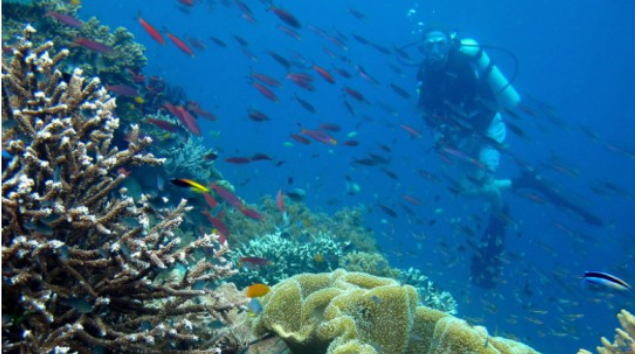
    On 19 September 2025, in a landmark development for ocean governance, the UN High Seas Treaty (BBNJ Agreement), secured the minimum 60 ratifications required for it to officially come into force by January 2026. With this achievement, the treaty is now on track to become legally binding, marking a major step forward in international environmental governance. Morocco became the 60th country to deposit its ratification instrument, triggering the 120-day countdown to the treaty’s entry into force. On the same day, Sierra Leone also deposited its ratification, becoming the 61st party to the agreement.

    Formal negotiations over the treaty began in 2018 and the draft was finalised in 2023. Previous discussions spanned across 20 years, driven by concerns over the unchecked exploitation of marine resources and the absence of a unified legal framework. The progress was slow due to differing national priorities over issues like resource sharing, fishing rights, and industrial activities in international waters.

    What this treaty aims to do
    The treaty was designed to tackle some of the most pressing threats to ocean health. One of these includes the creation of marine protected areas (MPAs), which are large stretches of international water designated to act as conservation zones. Human activities are strictly controlled, limiting activities such as fishing and breeding. Environmental Impact Assessments (EIAs) will also be made mandatory. Any major activity proposed in the high seas, such as deep-sea mining or industrial fishing expansion, will need to undergo detailed assessments, and parties must also keep under surveillance the impacts of any activities in areas beyond natural jurisdiction which they authorised or engage in.

    The treaty also addresses the growing importance of marine genetic resources, which are products from marine organisms carrying hereditary information, such as genes, and have the potential to be used in medicine, food, cosmetics, etc. The resources can cause issues with sustainability and equal accessibility of resources. The agreement also prioritises capacity development and technology transfer. Developing nations do not have the financing and technology to engage fully in high seas management. The agreement thus contains commitments to offer training, capital, and access to new technologies, allowing all nations to contribute actively to the monitoring, conservation, and sustainable management of the seas.

    All of these measures aim to support the global “30×30” target, which is the commitment to conserve at least 30 percent of the world’s land and sea by 2030. Since the high seas make up nearly half of the planet’s surface, the treaty is considered essential for achieving this target and reversing the fast decline of global biodiversity.

    Global Reactions
    Many advocates have pointed out that this treaty is one of the strongest demonstrations of collective will to take action against climate change since the Paris Climate Agreement. For small island nations and coastal states, which are among the most vulnerable to the impacts of ocean degradation, the treaty is seen as a lifeline for both biodiversity and livelihoods.

    However, there exists the challenge of ensuring the treaty is applied effectively across all regions, particularly in waters where industrial fishing and resource extraction are lucrative.

    Looking Ahead
    While the treaty’s entry into force is a breakthrough, its success will depend heavily on implementation. Countries that have ratified it will need to translate commitments into national laws, strengthen monitoring of their fleets, and coordinate with existing regional and sectoral bodies. Financing, transparency, and enforcement will be constant challenges.

    Another crucial test will be participation. Some major maritime powers have not yet ratified the treaty, raising concerns about the consistency of enforcement across the high seas. Nonetheless, the agreement creates momentum and pressure for broader adoption in the years ahead.

  • R. Vaishali Clinches Grand Swiss Title; Secures Spot in 2026 Women’s Candidates

    R. Vaishali Clinches Grand Swiss Title; Secures Spot in 2026 Women’s Candidates

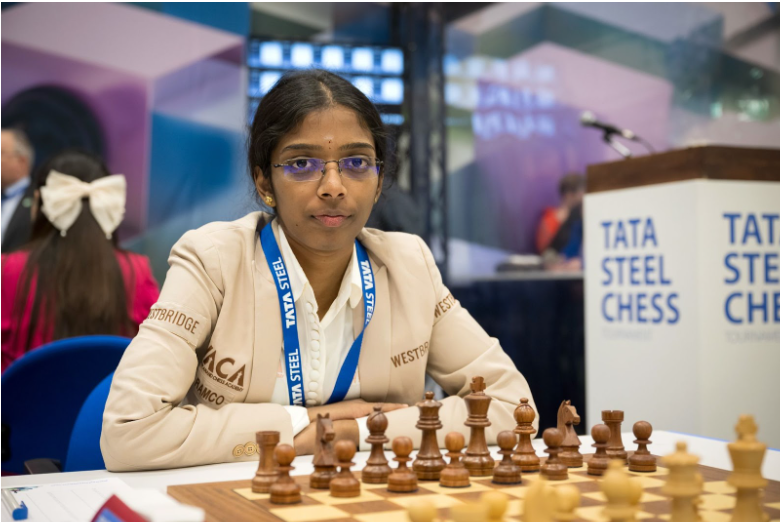
    Grandmaster R. Vaishali has officially qualified for the 2026 Women’s Candidates Tournament after winning the 2025 FIDE Women’s Grand Swiss in Samarkand, Uzbekistan. This marks her second consecutive Grand Swiss title and places her alongside fellow Indians Koneru Humpy and Divya Deshmukh as confirmed participants in the Candidates.

    Vaishali clinched the title with 8 points from 11 rounds, tying with Russia’s Kateryna Lagno at the top. The tie-break, determined by the average rating of opponents, went narrowly in her favour, confirming her as the champion. It was her second straight Grand Swiss victory, and with it came the coveted Candidates berth, an event that decides the challenger for the Women’s World Championship.

    For Vaishali, the past few months have been a journey of sharp contrasts. At the Chennai Grand Masters Challengers, she suffered a rare collapse, losing seven consecutive games and finishing last in the standings. The setback cost her rating points and, more importantly, dented her confidence to the point where she briefly considered stepping away from competition. Yet just weeks later, in Samarkand, she turned that disappointment into motivation, putting together a resilient run at the FIDE Women’s Grand Swiss that not only restored her momentum but also sealed her place in the 2026 Candidates.

    Her qualification also contributes to a broader landmark for Indian chess. For the first time, three Indian women will appear in the Candidates: Koneru Humpy, Divya Deshmukh, and now Vaishali. It is a testament to the country’s deepening bench strength in the women’s game, long carried by Humpy and Harika Dronavalli, but now increasingly defined by a younger generation.

    Vaishali credits her decision to press on to her family’s encouragement, particularly from her younger brother, fellow Grandmaster R. Praggnanandhaa. Their household has already become a symbol of India’s chess renaissance, and with this latest result, the narrative of the “sibling duo” reaches another milestone.

    The road to the Candidates will demand even greater preparation, but Vaishali’s victory in Samarkand already illustrates her resilience and ability to respond under pressure. From the lows of Chennai to the highs of Grand Swiss, her qualification is another sign of the growing presence of Indian women at the highest levels of world chess.

  • A Historic Finish: India Clinch a Bronze at the CAFA Nations Cup

    A Historic Finish: India Clinch a Bronze at the CAFA Nations Cup

    India made an unforgettable debut at the Central Asian Football Association (CAFA) Nations Cup by placing third, following a close penalty shootout win over Oman. The result marked a historic podium finish for the Blue Tigers on their very first appearance in the tournament.

    An Asian (C)affair

    The tournament, held from 29 August to 8 September and co-hosted by Uzbekistan and Tajikistan, featured six core CAFA nations alongside guest teams including India and Oman. Established in 2015, CAFA is one of the five regional bodies under the Asian Football Confederation, and its flagship tournament is seen as a showcase for Central Asia’s footballing talent.

    India, initially entering as one of the lower-ranking teams, slowly crept its way up with commendable poise. India won over Tajikistan 2- 1 in their first match, and despite a 3-0 loss to Asian giants Iran, India had done enough to earn a spot in the knockout phase.

    The Big Game

    During the playoffs for the bronze with Oman, the Middle Eastern team went ahead after a shot from Jameel Al-Yahmadi in the 55th minute, before Udanta Singh Kumam scored a goal following a long throw-in in the 81st minute, making the score equal. A 1-1 draw, even after extra time, led to a penalty shootout. Lallianzuala Chhangte, Rahul Bheke, and Jithin MS converted their attempts, and goalkeeper Gurpreet Singh Sandhu’s save on the decisive penalty sealed the win for India, marking their first-ever triumph over Oman in nearly a dozen encounters.

    New Coach, New Team?

    At the heart of India’s success story was the influence of new head coach Khalid Jamil. Jamil is a former professional footballer who has represented India internationally and previously coached the Indian Super League (ISL) Club Jamshedpur FC. Now, as head coach for the Indian football team with the CAFA cup being his debut tournament, Jamil reshaped the team’s identity by tightening the defence, instilling tactical balance, and using long throws as offensive weapons. The equalising goal against Oman was executed through a long throw. Under his guidance, the team seems to be defensively sound and tactically aware than under previous coaches, a hallmark of Jamil’s style also seen at Jamshedpur.

    This podium finish is significant because it highlights India’s growing ability to compete beyond South Asia. Defeating Oman for the first time and winning a medal can boost the team’s morale and reputation. It also provides the squad with important momentum as they prepare for upcoming tournaments, including the AFC Asian Cup qualifiers in 2027.

    What’s Next?

    Going forward, consistency and sustaining momentum are what the team needs to focus on. With the proper guidance and determination, the team can compete with stronger nations and continue to grow on the international stage. The next big target will be the AFC Asian Cup 2027 qualifiers, where India faces Hong Kong, Singapore, and Bangladesh in the group stage. Alongside this, friendlies and youth-level tournaments will provide opportunities to test new talent and build depth. If the team can carry forward the confidence from their CAFA Nations Cup performance, they will be better prepared for these challenges and steadily strengthen their place in Asian football.