Author: Janak Joshi

  • Legendary Filmmaker Rob Reiner dies at 78

    Legendary Filmmaker Rob Reiner dies at 78

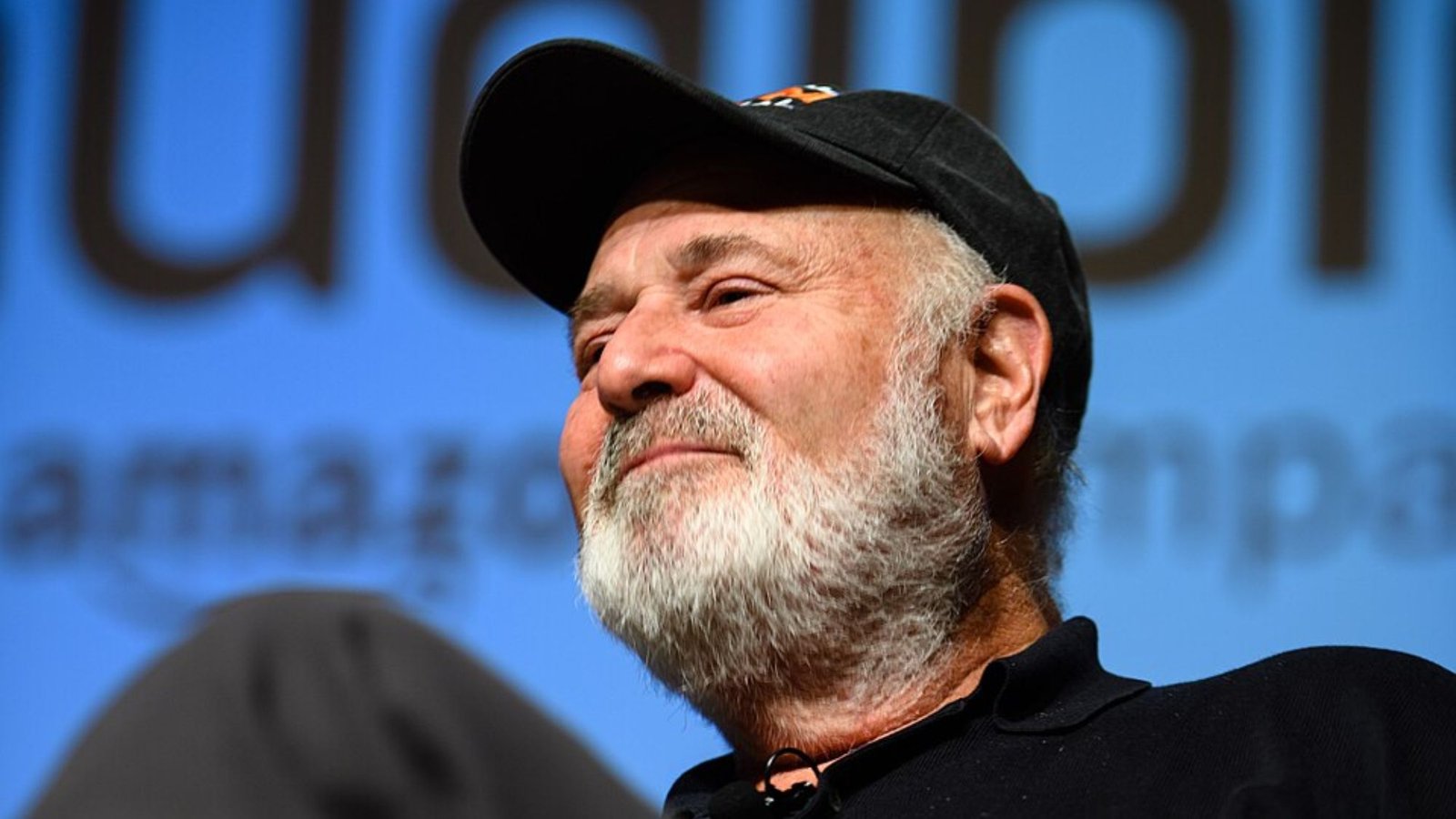
    Rob Reiner, legendary Hollywood director and actor, passed away on Sunday, December 14th 2025, in Los Angeles, California. He was found dead alongside his wife, Michele Singer Reiner, in their Brentwood home. Their son Nick Reiner was taken into custody on suspicion of murder, according to reports. The couple’s bodies were discovered by emergency responders on Sunday afternoon, which led to a homicide investigation.

    On Saturday evening, December 13th, Rob and Michele Reiner attended a holiday party hosted by popular late-night television host Conan O’Brien. According to reports from family friends, an argument occurred between Reiner and his son during the event, although the reason for the argument remains unclear, they left the event soon after. After the investigation, police arrested Nick Reiner, their son; his bail was initially set at $4 million but was later revoked. As of 17th December, Nick is still in custody.

    Born Robert Norman Reiner, Reiner grew up in show business as his father was an actor and comedy legend, Carl Reiner. One of Reiner’s most prominent initial roles was as “Meathead” in the sitcom All in the Family, which went on to make him a household name. His directorial films that followed went on to change Hollywood. Between 1984 and 1992, Reiner directed iconic films such as This is Spinal Tap, Stand by Me, The Princess Bride, and When Harry Met Sally, among other hit films. Comedy, coming-of-age, fantasy, rom-coms and even courtroom dramas are just some of the genres Reiner mastered in his films.  Reiner famously said in many of his interviews that he believed in characters more than concepts.

    Well into his career, Reiner continued to remain active both behind and in front of the camera. He directed Being Charlie in 2015, a semiautobiographical drama about addiction and recovery, written by his son Nick Reiner, on whom the story was reportedly based. Reiner also directed the HBO political biopic LBJ (2016), starring Woody Harrelson. In recent years, he also played supporting characters in shows and movies like New Girl, The Wolf of Wall Street, The Newsroom, etc. These projects reflected his late-career focus on politics, media, and institutional power, as Reiner was less interested in a stage career and more interested in stories that explored power, leadership, and politics.

    Beyond his career, Reiner was an outspoken activist. In the 1990s, Reiner became an advocate for public health and educational reform. He co-founded the I Am Your Child Foundation, the American Foundation for Equal Rights, and several other organisations aimed at expanding access to nutrition, healthcare, and early learning, often funding research himself.

    After hearing the news of his passing, fans mourned the loss of their beloved filmmaker across social media platforms. Many highlighted his off-screen wit and humility. His fellow filmmakers, co-stars and politicians across generations also expressed their grief online. President Trump wrote in a social media post on Monday morning that Reiner’s death was “reportedly due to the anger he caused by others through his massive, unyielding, and incurable affliction … known as TRUMP DERANGEMENT SYNDROME.” Many criticised Trump for his insensitive comment. New Girl co-star Zooey Deschanel wrote, “I cherish the time we spent working together and the many films he made that have shaped who I am”. Many of Reiner’s friends were seen at his place just a few hours after his death, including stars like Larry David and Bill Crystal, reportedly in tears. The passing of Rob Reiner marks the end of an era in Hollywood, as it was rare in Hollywood to find a filmmaker who mastered almost every genre of film.

  • Netflix announces acquisition of Warner Bros. Discovery

    Netflix announces acquisition of Warner Bros. Discovery

    On December 5, 2025, Netflix announced its acquisition of Warner Bros. Discovery’s studio and streaming businesses. Netflix emerged as the winner in a fierce bidding war that included industry heavyweights such as Paramount, Skydance, led by David Ellison, and Comcast. The previous owners of Warner Bros., i.e, Discovery, are set to sell the media conglomerate for 82.7 billion USD. This is reportedly one of the most significant media acquisitions in history. The entire transaction is expected to close by the end of 2026. Until the deal is through, HBO Max will remain a separate streaming service for now. Still, Netflix plans to inevitably integrate HBO’s content into its own platform, providing subscribers with a significant boost in variety and quality.

    Warner Bros was founded by brothers Harry, Albert, Sam, and Jack Warner in 1923. The studio rose to prominence during Hollywood’s Golden Age with early innovations in sound, most notably The Jazz Singer (1927), the first feature-length film with synchronised dialogue. Classics such as Casablanca, A Star Is Born, and Rebel Without a Cause were produced by Warner Bros. By the mid-20th century, the studio had entered the television market through Warner Bros. Television, creating hits like Maverick and 77 Sunset Strip. This grew into the world’s most influential TV divisions, responsible for modern global hits like Friends and numerous DC-based animated shows.

    The acquisition gives Netflix ownership of Warner Bros’ extensive film and television libraries, widely regarded as the world’s biggest catalogues in entertainment. Warner Bros has produced multiple iconic films and franchises, including the Detective Comics Universe, Looney Tunes, Harry Potter, The Matrix series, Barbie, and several Hollywood classics. Its intellectual property portfolio features legendary characters such as Batman, Superman, Bugs Bunny, Scooby-Doo, and Flash, almost all of which have become global cultural symbols.

    In television, Netflix will gain control of Warner Bros. Television’s library of highly successful series, including Friends, The Big Bang Theory, The Vampire Diaries, Gossip Girl, The West Wing, etc. Many of these franchises gained strong TRP on Netflix through past licensing agreements, and full ownership may lead to new spin-offs, reboots, and franchise expansions.

    A significant part of the deal involves the acquisition of HBO (Home Box Office), which has long been regarded as the leading producer of premium television. HBO’s catalogue includes popular and critically acclaimed shows such as Game of Thrones, Barry, Euphoria, The Last of Us, The Sopranos, and Succession. The integration of HBO’s programming with Netflix’s global distribution model can significantly alter the dynamics within the streaming industry. This transaction also transfers ownership of CNN, one of the world’s largest and most widely recognised news networks. Netflix has not specified how it plans to incorporate a real-time global news operation into its platform. Still, there are speculations that Netflix will utilise CNN to produce documentaries, real-time event coverage, and live news.

    The Deal also includes animated powerhouses Cartoon Network and Adult Swim. Under these popular shows, such as The Grim Adventures of Billy and Mandy, Courage the Cowardly Dog, and Adult animated shows like Rick and Morty, Futurama, and BoJack Horseman, will now be owned by Netflix.

    The deal received mixed reactions from fans and critics worldwide. Fans on social media expressed their sorrow seeing a media giant like Warner Bros bought by Netflix, as it meant shorter theatrical releases and more streaming. Many pointed out the press from Warner Bros won’t have authenticity and now will be more “Woke”. Critics have expressed concerns about the monopolisation of media, whereas a few said it would give other streaming platforms, such as Disney+ and Prime Video, a tough time. Only time shall tell how the future of Warner Bros looks.

  • New findings explain the Indus Valley collapse

    New findings explain the Indus Valley collapse

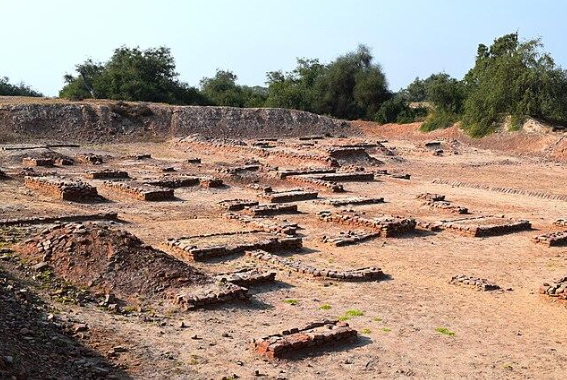
    Thousands of years ago, the Harappan Civilisation stood among the world’s first urban societies. Cities like Harappa, Mohenjo-Daro, Dholavira, and Lothal were equipped with well-laid-out streets, advanced water and drainage systems, and thriving business workplaces. Yet by the end of the third millennium BCE, most of this advanced civilisation had vanished, its cities abandoned. For decades, historians and archaeologists debated why. However, a major study now suggests a possible answer: prolonged droughts.

    Published in the journal “Communications Earth & Environment,” the research involved scientists from IIT Gandhinagar, the University of Arizona, and the University of Colorado Boulder, who combined climate simulations, lake-level records, and cave minerals to reconstruct how water availability changed across the Indus Valley between roughly 5,000 and 3,000 years ago.

    The team examined the paleoclimatic records for 17 major Harappan locations and used the Variable Infiltration Capacity (VIC) hydrological model to estimate river flow. In simple terms, they utilised ancient climate data and the VIC model to recreate the climate 4,000-5,000 years ago and examine how major rivers, including the Indus, exhibited changes or unusual drops in water discharge. The simulated climate data and calculations for river flow in the IVC indicated reduced streamflow, which was crucial for irrigation and domestic use.

    A Civilisation Built Around Water and the disappearance of water

    The Harappans lived in a region heavily shaped by rivers and the monsoon. Their farms depended on seasonal floods, and cities were built near water sources. This system worked beautifully for centuries. Decent rainfall meant a wealthy society. Rivers like the Indus and even the Saraswati were key sources of water for this civilisation.

    A new study suggests that approximately 4450 and 3400 years ago, the region experienced distinct, prolonged droughts, each lasting more than 85 years. They discovered that one of the key droughts had lasted for 113 years. During these periods, monsoon rainfall dropped sharply, causing rivers to shrink and water sources to become scarce.

    These droughts led to a decline in agricultural activities. Urban systems began to weaken, and the large drainage networks, public wells, and storage facilities became increasingly difficult to manage. Like any other civilisation, population pressure rose sharply.

    A Slow Transformation, not a Sudden Collapse

    One important point that the researchers emphasised is that the Harappan Civilisation did not disappear overnight. There is no major evidence of war, destruction, or invasion. As water became scarce, people began moving away from the big cities. Many shifted eastward, towards the Ganges Plain, which is one of the most fertile regions. Others settled in smaller villages that relied on simpler, rain-based farming rather than river- or flood-based farming. The famous baked-brick architecture of Harappan cities gave way to more modest settlements. The collapse was not sudden; it was a steady change in lifestyle from urban, planned cities to scattered rural villages.

    Why the new Findings Matter

    The breakthrough reveals the close interdependence of human societies on the environment. The Harappans were highly skilled builders and planners, but they were still dependent on rainfall. When the climate shifted over centuries, even their highly advanced systems could not adapt. The findings also clarify long-standing theories. For years, people have believed in various theories, such as invasions or sudden disasters, that could have led to the end of the civilisation. However, the evidence now suggests a slow, climate-driven decline. This study helps not only in understanding the past, but also in understanding the climate, resilience, and how societies today can find themselves in a similar position if we do not take action to protect the environment.

  • Veteran Actor Dharmendra Passes Away at 89; Bollywood Mourns the Loss of “He-Man”

    Veteran Actor Dharmendra Passes Away at 89; Bollywood Mourns the Loss of “He-Man”

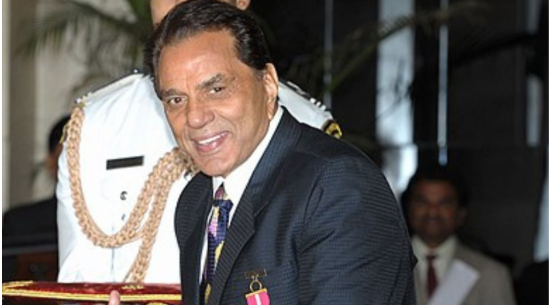
    Dharmendra, one of Indian cinema’s most iconic and beloved stars across generations, passed away on Monday, 24th November, at the age of 89. Over the course of six decades, the legendary actor, known to millions as Bollywood’s “He-Man”, starred in over 300 films and established himself as one of the most recognisable figures in Indian cinema.

    Born Dharmendra Kewal Krishan Deol on 8th December 1935, in Nasrali village, Punjab, Dharmendra grew up far from the world of cinema. He was born in a Punjabi Jat family, and his father, Kewal Krishan Singh Deol, was a school headmaster. In 1953, Dharmendra married Prakash Kaur at the age of 19. The two became parents to four children- Sunny, Vijeta, Ajeeta and Bobby.

    Dharmendra’s journey to Mumbai began after his victory in the Filmfare Talent Hunt contest in 1958. In 1960, he made his acting debut in the film Dil Bhi Tera Hum Bhi Tere, and within a few years, he had established himself as a leading actor in the industry. Throughout the 1960s and 1970s, he came to be known as a versatile performer who seamlessly transitioned between romance, action, and comedy. His handsome looks and natural charisma made him popular among audiences, while critics appreciated him for his flexibility as an actor.

    The actor delivered some of the most iconic roles in Hindi cinema history. His role as the lovable best friend, Veeru, in Sholay (1975) is one of Indian cinema’s most fondly remembered roles, which remains engraved in popular culture across the globe. His romantic roles in Anupama and Satyakarma, comedic role in Chupke Chupke, and his action hero role in Phool Aur Pathhar and Yaadon Ki Baaraat showcased his extraordinary adaptability as a versatile actor. Legendary directors like Hrishikesh Mukherjee and Ramesh Sippy saw him as a dependable box-office actor.

    At the beginning of his career, Dharmendra acted in seven films in 1964 alone. The years ahead would make him a superstar in Bollywood.  Between 1965 and 1974, Dharmendra starred in over 40 films, including iconic blockbusters such as Seeta Aur Geeta (1972), Loafer (1973), and Mera Gaon Mera Desh (1971). In 1997, he was awarded the Filmfare Lifetime Achievement Award, honouring his legacy across multiple decades.

    Dharmendra’s on-screen chemistry with Hema Malini became a fan favourite over the years, and in 1980, the two married and had two daughters, Esha and Ahana Deol.

    In 1983, Dharmendra established his own production company, Vijayata Films, which produced multiple award-winning films, including Betaab (2004), the debut film of his son Sunny Deol. In 2004, Dharmendra joined politics as a member of parliament from Bikaner, Rajasthan, representing the Bhartiya Janata Party (2004-2009). One of his most notable roles in recent years was his supporting character in the movie series Yamla Pagla Deewana, alongside his sons, Bobby and Sunny Deol. Recently, he starred in films such as Rocky Aur Rani Ki Prem Kahani (2023) and Teri Baato Mein Aisa Uljha Jiya (2024).

    Fans, fellow actors, filmmakers, and politicians across the nation mourned the loss of the beloved actor. His Sholay co-star and Bollywood legend, Amitabh Bachchan, tweeted “another valiant Giant has left us .. left the arena .. leaving behind a silence with an unbearable sound ..Dharam ji.. the epitome of greatness, ever linked not only for his renowned physical presence, but for the largeness of his heart, and its most endearing simplicity”. Prime Minister Narendra Modi also expressed his sorrow on X, “The passing of Dharmendra Ji marks the end of an era in Indian cinema. He was an iconic film personality, a phenomenal actor who brought charm and depth to every role he played. The manner in which he played diverse roles struck a chord with countless people. Dharmendra Ji was equally admired for his simplicity, humility and warmth. In this sad hour, my thoughts are with his family, friends and innumerable fans. Om Shanti,”

    Dharmendra is survived by Hema Malini, Prakash Kaur, and his children Sunny, Vijeta, Ajeeta, Bobby, Esha and Ahana.

  • Countries Debate Fossil-Fuel Future at COP30; India pushes for Fair Transition Plan

    Countries Debate Fossil-Fuel Future at COP30; India pushes for Fair Transition Plan

    Fossil Fuel Debate Dominates COP30

    The 2025 United Nations Climate Change Conference (COP30) took place in Belém, Brazil, from 10 to 21 November, bringing together delegates from nearly 200 countries. The summit shed light on the transition away from fossil fuels, climate finance, and strategies addressing these issues. The gathering set the stage for a round of negotiations closely observed by policymakers, scientific institutions, and environmental groups worldwide.

    A central point of debate at COP30 revolved around the future of fossil fuels. More than eighty countries pushed for an official, time-bound roadmap for the sustainable reduction of coal, gas, and oil use, which was unprecedented within the framework of the COP. The demand signalled a global shift toward directly confronting fossil fuel dependency and exploring alternatives, rather than relying on a broad mitigation aim.

    However, after days of intense discussions, the final UNFCCC text did not include any explicit language mandating fossil fuel phase-out. To prevent the negotiations from stalling, the Brazilian COP presidency introduced two voluntary roadmaps: one outlining a “just, orderly and equitable” energy transition, and the other centred on reversing global deforestation. Although these roadmaps lack legal enforcement, they are regarded as important political signals that shape the direction of future global climate governance.

    Climate Finance and Broader Action 

    Delegates also discussed the “Baku-to-Belém Climate Finance Roadmap,” which aims to scale global climate finance to approximately USD 1.3 trillion annually by 2035. The proposal covers funding for mitigation actions, adaptation programs, and support for loss and damage mechanisms in vulnerable regions.

    Developing nations raised concerns over the absence of specific commitments outlining how this financial burden would be shared. India and several other countries emphasised the need for predictable, concessional and equitable financial flows from developed economies, arguing that ambitious climate action cannot proceed without clear financing frameworks.

    Notable progress was made in the domain of climate adaptation. COP30 finalised a set of 59 global indicators designed to track how effectively nations are preparing for climate-related risks such as flooding, drought, sea-level rise, and ecological loss.

    Extreme heat and sustainable cooling technologies emerged as a major point of discussion. Delegates adopted the Belém Communiqué on extreme heat, which calls for coordinated action across public health, infrastructure, and the energy industry.  Technology continued to play a key role in climate solutions. The expansion of the 3DEN (Digital Demand-Driven Electricity Networks) initiative was announced, which aims to reach seven African countries and Brazil, building on the progress made in its introduction at COP26 in 2021.

    The programme aims to modernise electricity grids using smart digital tools, such as artificial intelligence and smart meters. This expansion is expected to enhance energy efficiency, facilitate the integration of renewable energy, and mitigate grid instability in smaller and developing  countries.

    Outside the negotiation halls, thousands of protesters gathered, led by Indigenous communities from the Amazon, raising concerns over rising deforestation, burning of fossil fuels and land rights. A symbolic “funeral for fossil fuels” was held during one of the marches, drawing significant international attention and heightening pressure on negotiators.

    India’s Stance in COP30

    India maintained a firm stand on equity and climate justice throughout the summit, emphasising that any global transition away from fossil fuels must reflect the principle of common but differentiated responsibilities.

    Indian representatives argued that developed nations, given their historical emissions and greater financial capacity, must take the lead in deep decarbonisation while extending financial and technological support to developing economies. India did not support the push for a prescriptive fossil fuel roadmap, stating such commitments could restrict the developmental needs of emerging economies. India also called for clearer and long-term financial assurances, as well as recognition of Global South priorities, within the final COP30 outcomes.

    Overall, COP30 concluded with nations taking steps to tackle climate change through key outcomes, including the adoption of 59 global adaptation indicators, the expansion of the 3DEN digital electricity networks, the Belém Communiqué on extreme heat and voluntary roadmaps for a just and equitable energy transition. Attention now turns to COP31 in Turkiye in 2026, where nations will continue discussions on global climate action.

  • From New York to Oval Office: Zohran Mamdani’s Mandate Meets Trump’s America

    From New York to Oval Office: Zohran Mamdani’s Mandate Meets Trump’s America

    On November 4, 2025, 34-year-old Zohran Mamdani clinched the New York City Mayoral race, securing a decisive victory in one of the most closely watched contests of the year. Running on the vision centred on affordability, public transport reforms, and workers’ rights, Mamdani won by a clear margin, defeating incumbent Mayor Eric Adams, Independent Candidate Andrew Cuomo, and Republican Candidate Curtis Sliwa.

    His win was driven by strong support from young voters, renters, immigrant communities, and first-time voters. Mamdani’s win marked a turning point in the city’s political landscape. His victory was historic not only because he is the first Muslim and first South Asian to hold the office, but also because his campaign centred on a bold, unapologetically progressive, socialist economic agenda.

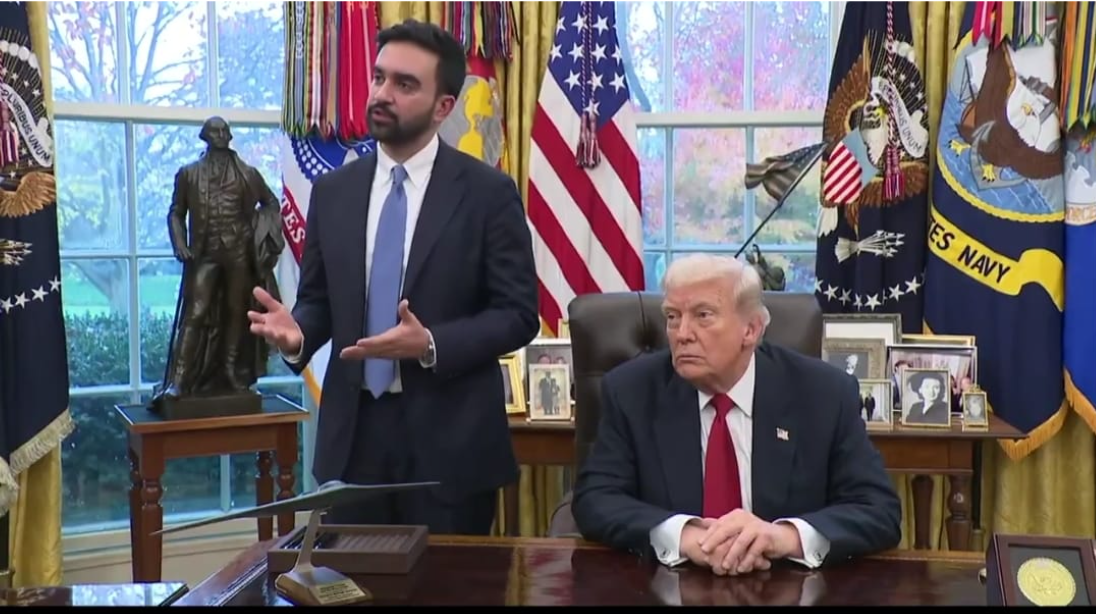
    Only days after taking over the office, President Donald Trump announced on his Truth Social Platform that the two would meet at the White House. In the post, Trump referred to Mamdani as the “Communist Mayor of New York City, and said the meeting would take place in the Oval Office on Friday, November 21st.

    After Mamdani’s victory, it was clear that there was a rise in a new form of governance that prioritises social welfare, affordability, and community-focused investment. However, the meeting with Trump brought an unexpected twist. On paper, the two politicians stand at opposite ends of the ideological spectrum. Mamdani is known for his democratic-socialist leanings, vocal support for tenants’ rights, and city-first social spending vision. Trump, meanwhile, has built his platform around conservative populism, stricter immigration policies, and a law-and-order approach to city governance. Their interaction stood out precisely because of this contrast, critics say.

    The meeting with Trump, rather than overshadowing the shift of a new political wave, only sharpened its contrast. It placed the newly elected mayor’s ambitions against the broader backdrop of national politics, dominated by republicans and their conservative narratives.

    Press conference followed by their meeting. “We spoke about rent, we spoke about groceries, we spoke about utilities. We spoke about the different ways in which people are being pushed out. And I appreciated the time with the president. I appreciated the conversation. I look forward to working together to deliver that affordability for New Yorkers,” Mamdani said. Trump, in agreement with Mamdani, said, “We had some interesting conversation, and some of his ideas are really the same ideas that I have. But a big thing is the cost. You know, the new word is ‘affordability.’ Another word is just ‘groceries.’ It’s sort of an old-fashioned word, but it’s very accurate. And they’re coming down,” he said.

    At the press conference, both Trump and Mamdani were met with difficult questions by the journalists. Mamdani was asked about his earlier  “Fascist” remark about Trump. Before Mamdani could respond, Trump answered the question himself, saying,  “That’s OK, you can just say yes, OK? It’s easier. It’s easier than explaining it, I don’t mind.” The exchange was widely circulated on social media.

    As Mamdani takes over the office, it will be interesting to see his ambitious promises put into action while navigating the pressure from both supporters and critics. His early decisions will show whether he can maintain the popularity of his historic win and deliver concrete change for the communities that propelled his rise. At the same time, the political drama surrounding his meeting with Trump indicates that New York may become a defining battleground for competing visions of America’s political future, one rooted in inclusion and socialism, and the other in traditional conservative frameworks.

  • Piyush Pandey, the Voice of Indian Advertising, Dies at 70

    Piyush Pandey, the Voice of Indian Advertising, Dies at 70

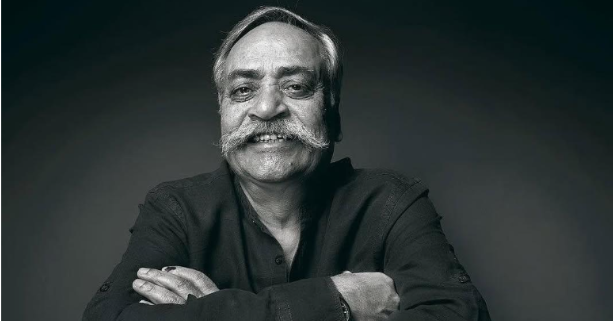
    Piyush Pandey, the advertising icon who redefined how India spoke through its brands, passed away on 24th October 2025, in Mumbai at the age of 70. According to reports, Pandey was suffering from a severe infection that led to his sudden death.

    In a striking coincidence, the man who created the nation’s famous Pulse Polio campaign, “Do Boond Zindagi Ke” featuring Amitabh Bachchan, passed away on World Polio Day, the very date India annually celebrates its triumph over the disease.

    Widely called the creative heartbeat of Indian advertising, Pandey’s work at Ogilvy India, where he worked as Executive Chairman and Global Chief Creative Officer, transformed the ad industry forever. His campaigns were rooted in local insights, humour, and humanity; they gave India some of its most enduring brand memories.

    An Album of Timeless Campaigns

    Pandey’s creative legacy can be told through the campaigns that became part of India’s vocabulary. From “Pappu Pass Ho Gaya,” “Fevicol ka Mazbooth Jod Hai, Tootega Nahi”, “Har Ghar Kuch Kehta Hai” and Cadbury Dairy Milk’s “Kuch Khaas Hai Ham Sabhi Mein”, Pandey’s ads celebrated India’s spirit and culture. He also designed the famous Vodafone Zoo-Zoo and Hutch puppy campaign.

    Pandey was also behind socially powerful work, including the Pulse Polio campaign, “Do Boond Zindagi Ke”, which helped drive mass vaccination awareness across the country in collaboration with the Government of India and UNICEF. He also designed the “Incredible India” campaign, which gave India a global identity.

    Pandey worked on the famous political campaign for Narendra Modi in the 2014 general election. The “Ab ki Baar Modi Sarkar” campaign contributed to the BJP’s landslide victory.

    A Pioneer with an Indian Heart

    Born in Jaipur in 1955, Pandey’s journey into advertising was unconventional. Pandey played many major Cricket Tournaments, including the prestigious Ranji, before working as a tea-taster in Kolkata. In 1982, he joined Ogilvy and Mather. His early work caught attention as his ads were deeply rooted in Indian culture and local lingo, which was not common at that time, as advertisers mimicked Western ads. He believed “Engagement is the key to communication”, and this was reflected in his ads, which were catchy and in sync with the rhythms of ordinary Indians.

    Over four decades, he transformed Ogilvy India into a powerhouse of creativity, mentoring countless young copywriters and art directors who went on to become industry leaders themselves.

    Pandey’s contribution to the advertising world was recognised with numerous awards, including multiple Cannes Lions, Effies, and the Padma Shri in 2016 for his contribution to literature and advertising. In 2000, The Economic Times named him “The Most Influential Person in Indian Advertising.”

    Beyond his campaigns, Pandey was known for his humility, humor, and strong flair for storytelling. His autobiography, “Pandeymonium: Piyush Pandey on Advertising”, captured his creative side and anecdotes from his life.

    Tributes poured in from across industries. Prime Minister Narendra Modi tweeted, “Shri Piyush Pandey Ji was admired for his creativity. He made a monumental contribution to the world of advertising and communications. I will fondly cherish our interactions over the years. Saddened by his passing away. My thoughts are with his family and admirers.” Industrialist Anand Mahindra and veteran actors like Amitabh Bachchan, who worked with him on the Polio campaign, and Shah Rukh Khan, also shared their condolences. His admirers flooded Twitter and other social media platforms with memories of the man whose words and ideas shaped India’s advertisements.

  • Rock’s ‘Spaceman’; Ace Frehley, Dies at 74

    Rock’s ‘Spaceman’; Ace Frehley, Dies at 74

    Ace Frehley, the famous guitarist and co-founder of Kiss, whose space-age persona, thunderous riffs, and electric performances helped define 1970s rock theatre, passed away on Thursday, 16th October 2025, in Morristown, New Jersey. He was 74. His family told sources the cause of his death was complications from a fall this year.

    Born Paul Daniel Frehley on 27th April, 1951, in The Bronx, New York, he was the youngest child among his three siblings. His father, Carl Daniel ‘Friebely’ Frehley, was an electrical engineer and used to play organ at the church, and his mother, Esther Anna, used to play the piano. Frehley grew up surrounded by music, but was inclined towards the electric guitar, which he received as a Christmas gift in 1964. He taught himself how to play the instrument; he often said that playing “saved [his] life.”

    Making of the ‘Spaceman’

    Frehley worked as a roadie for Jimi Hendrix when he was 18. After that, he began performing in local bands like King Kong, The Outrage, and Cathedral, until he saw an ad in 1972 for a new music band seeking a lead guitarist. The famous story of his audition, of Frehley showing up wearing mismatched sneakers, one red, one orange, immediately impressed the band; within months, Kiss was formed.

    Frehley was Kiss’s lead guitarist; he designed the group’s lightning-bolt logo and developed the “spaceman” persona, inspired by his lifelong fascination with science fiction. He painted silver stars around his eyes and, on stage, made his guitar smoke, spark, and sometimes shoot rockets. Frehley’s playing powered many of Kiss’s popular songs, including I Was Made for Loving You, Cold Gin, Shock Me, and Love Theme. His electrifying solo on Shock Me was written after he was briefly electrocuted onstage in 1976; it became one of rock’s most famous guitar riffs.

    In 1978, Frehley released his self-titled solo album, which went platinum and produced the Top 20 single New York Groove. A star was later named after him in 1981, a fitting tribute for the band’s “Spaceman”. He parted ways with Kiss in 1982 over creative disputes and personal struggles, but returned to music with Frehley’s Comet, a new band consisting of five members. Their debut album featured the rock hit “Into the Night.” Frehley’s Comet disbanded shortly after their 1989 record, Trouble Walking. He reunited with Kiss in 1996. Frehley performed with the group at the 2002 Winter Olympics before departing again.

    He resumed his solo career that included albums such as Anomaly (2009), Space Invader (2014), and 10,000 Volts, the most recent one, released in 2024. He was preparing to release Origins Vol. 3 at the time of his death. Frehley was inducted into the Rock & Roll Hall of Fame in 2014. Frehley continued recording and touring as a solo artist until a fall in his studio in September 2025 forced him to cancel his remaining shows.

    Though described as an “unschooled musician”, Frehley’s influence extended across generations of guitarists. He performed with artists including Slash, Rob Zombie, and Tommy Lee; he even appeared in the hit sitcom Family Guy. His trailblazing guitar playing skills secured him a spot among Guitar World’s 100 greatest musicians.

    Frehley is survived by his daughter, Monique, and his former wife, Jeanette. Kiss co-founders Gene Simmons and Paul Stanley said in a joint statement, “We are devastated by the passing of Ace Frehley; he was an essential and irreplaceable rock soldier during some of the most foundational chapters of the band’s history. He is and always will be part of Kiss’s legacy.” Fans across the world flooded social media with tributes. Some fans said: The Spaceman has simply returned to the cosmos.

  • Maharashtra Government Imposes Size Limits on Fish to Safeguard Marine Life

    Maharashtra Government Imposes Size Limits on Fish to Safeguard Marine Life

    The Maharashtra government has implemented a series of stringent norms aimed at curbing the capture and sale of juvenile fish along the state’s coastline. Officials assert that it is crucial to protect marine biodiversity and ensure the long-term sustainability of the fishing industry.

    Minimum legal size (MLS) is a key tool in fisheries management, widely used in Europe and Australia, to protect fish from being caught before they have spawned. The MLS curbs are being enforced following increased catches of juvenile fish in recent years.

    The new regulations introduce minimum legal sizes (MLS) for 54 commercially important fish species. The decision was developed with inputs from the Central Marine Fisheries Research Institute (CMFRI), which prohibits the catching and marketing of fish below a specific length, to prevent depletion of breeding populations. Maharashtra has become the third state, after Kerala and Karnataka, to implement MLS regulations for fish.

    A stricter ban on juvenile fishing during the recent monsoon led to a sudden rise in the overall catch during the post-monsoon season, prompting this decision. State Minister of Fisheries and Ports Development, Nitesh Rane, chaired a review meeting on the MLS of fish and the ongoing conservation measures to curb juvenile fishing of the Indian silver Pomfret, which is also the state’s official fish. He emphasised the need for a large-scale awareness and compliance campaign to ensure the effective implementation of MLS norms, which are also vital for the sustainability of the species and the livelihood of the fishing community.

    According to the revised guidelines, the minimum catch size for species such as silver pomfret and Indian mackerel has been fixed at 13.5 cm and 14 cm, respectively, Bombay duck at 18 cm, and spotted seer fish at 37 cm. Several prawn species also fall under the new size restrictions. Officials said the decision was taken after studies revealed that the premature capture of young fish was severely affecting the spawning cycle and future catch volumes.

    A poster detailing the sizes of various fish types was released to raise awareness among fishermen, traders and coastal communities about conserving juvenile fish and adhering to MLS guidelines for long-term fisheries sustainability.

    The decision marks a crucial step in Maharashtra’s efforts to balance economic interests with ecological responsibility. By regulating the capture of juvenile fish, the government aims to protect natural breeding, maintain marine food chains, and ensure the livelihoods of people in coastal areas remain sustainable for future generations.

  • Protests in Nepal leave 19 dead, Government in Crisis

    Protests in Nepal leave 19 dead, Government in Crisis

    Nepal has been thrown into turmoil as mass protests are taking place all over the country, leaving at least 19 people dead and the political system in chaos. What began as anger against corruption and political saturation has exploded into one of the most serious crises the nation has faced in decades.

    Public frustration has been building since the early 1990s, when Nepal transitioned into democracy, ending monarchical rule. Citizens accuse the three big parties, the Nepal Congress, CPN-UML, and the CPN Maoist party, of mismanagement and corruption in the democracy. Young Nepalis have been frustrated for years at the lack of jobs; millions have gone to work in neighbouring countries like India, Malaysia and South Korea. Anger reached a breaking point after the government attempted to ban social media, sparking outrage among young people.

    The Government of Nepal, on September 4, issued a directive banning Facebook, Instagram, Reddit, X and 36 other social media apps, citing their failure to meet the deadline to comply with registration requirements to operate in Nepal. The  Nepalese government used this as a reason to ban the apps, which were used by citizens to expose the Children of Politicians, who used the apps to flaunt their lavish lifestyles. Dubbed as “Nepo Babies”, citizens targeted them for using corrupt money to live the life they are living. Protesters rallied behind creative symbols, including the popular anime One Piece pirate flag, which became a surprising emblem of resistance.

    The growing intensity of the protests has forced Prime Minister KP Oli to resign. Protestors entered the parliament after hearing the news of Oli’s resignation, waving their hands and shouting slogans as smoke rose from the building. They painted graffiti on the walls saying “We won”. Following the protests, Kathmandu airport was shut down and is set to resume soon.

    Former Prime Sher Bahadur Deuba, who has held office five times, and Foreign Minister Arzu Rana Deuba were directly targeted by demonstrators. Security forces responded with live fire and smoke bombs, resulting in 19 deaths. However, the army, perceived to be sympathetic to the monarchy and to the public in general, reportedly allowed protesters to attack political offices without much intervention. The CPN-Maoist leadership blamed Sher Bahadur Deuba for fueling the unrest.

    The crises have left the political system in disarray. The Rashtriya Swatantra Party (RSP), formed in the last general election out of public frustration, and the Rashtriya Prajatantra Party (RPP), staged mass resignations in parliament. Discussions about an interim government are in order, with two names coming forward: RSP leader Rabi Lamicchane, previously jailed in a cooperative scam, now freed from jail by protestors, and Kathmandu Mayor Balen Shah. Nepal now faces an uncertain future as it seeks stability amid political crises.